
Bee Keeping Programme: 7 Powerful Capacity Building Insights
Introduction to the Bee Keeping Programme
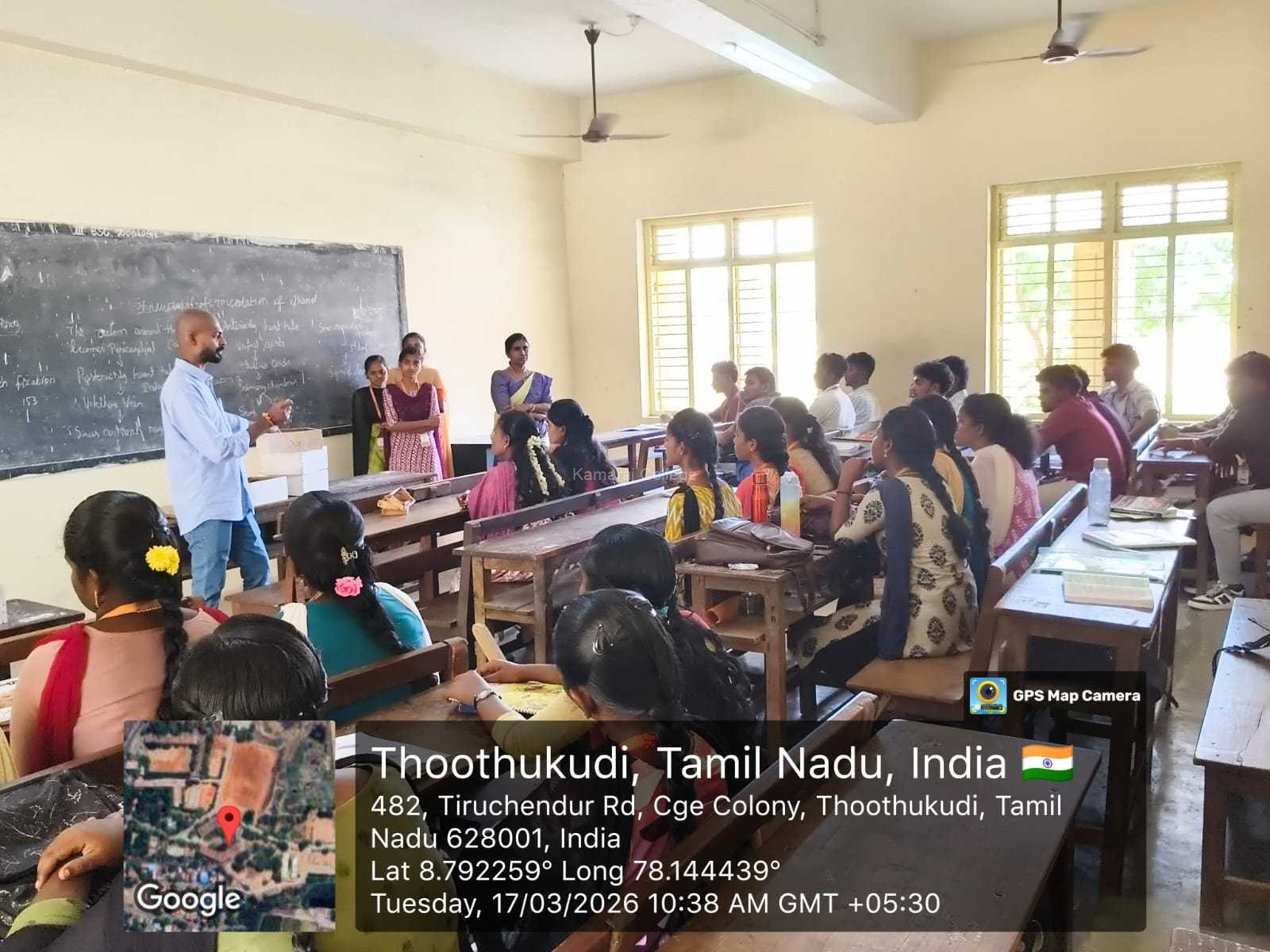
The Bee Keeping Programme was organized by the Department of Zoology at Kamaraj College (Autonomous), Thoothukudi on 17 March 2026.
This Bee Keeping Programme was conducted as a student capacity building and entrepreneurship initiative, aiming to provide practical knowledge and hands-on experience in apiculture.
More than 60 students actively participated in the programme and benefited from the training session.
Objectives of the Bee Keeping Programme
The Bee Keeping Programme was designed to enhance students’ knowledge and skills in sustainable agricultural practices and entrepreneurship.
The main objectives included:
- Understanding the behaviour of honey bees
- Learning honey production techniques
- Gaining knowledge about api culture methods
- Promoting entrepreneurship opportunities in bee keeping
- Developing practical skills through field exposure
Therefore, the programme helped students connect biological concepts with real-world applications.
Training and Demonstration
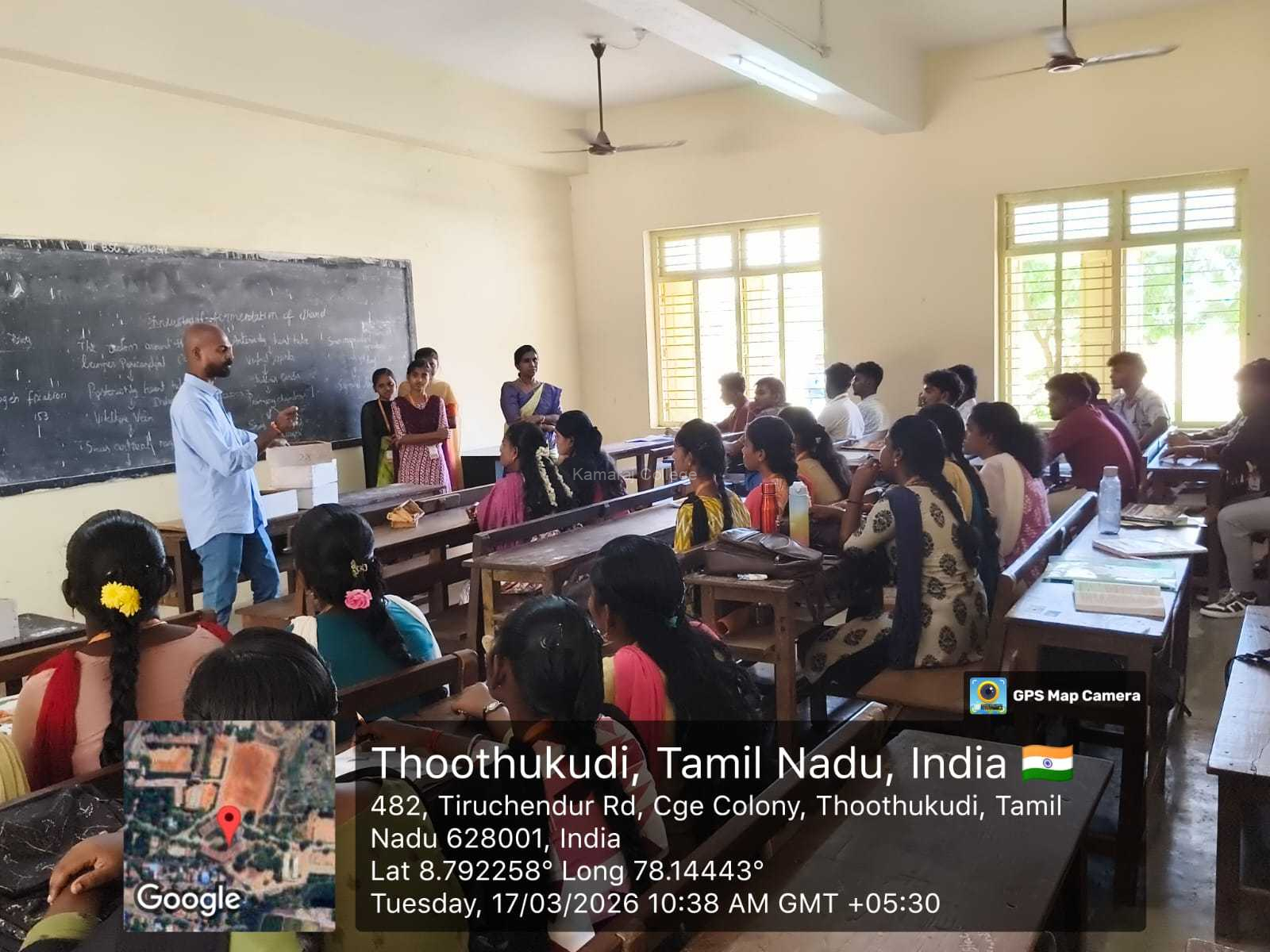
During the Bee Keeping Programme, students were provided with detailed explanations on various aspects of apiculture.
The session covered:
- Behavioural patterns of honey bees
- Structure and functioning of bee colonies
- Methods of honey production
- Api culture techniques and management
- Importance of bees in pollination and agriculture
The training was practical and interactive, allowing students to understand the subject clearly.
Field Observation and Practical Exposure
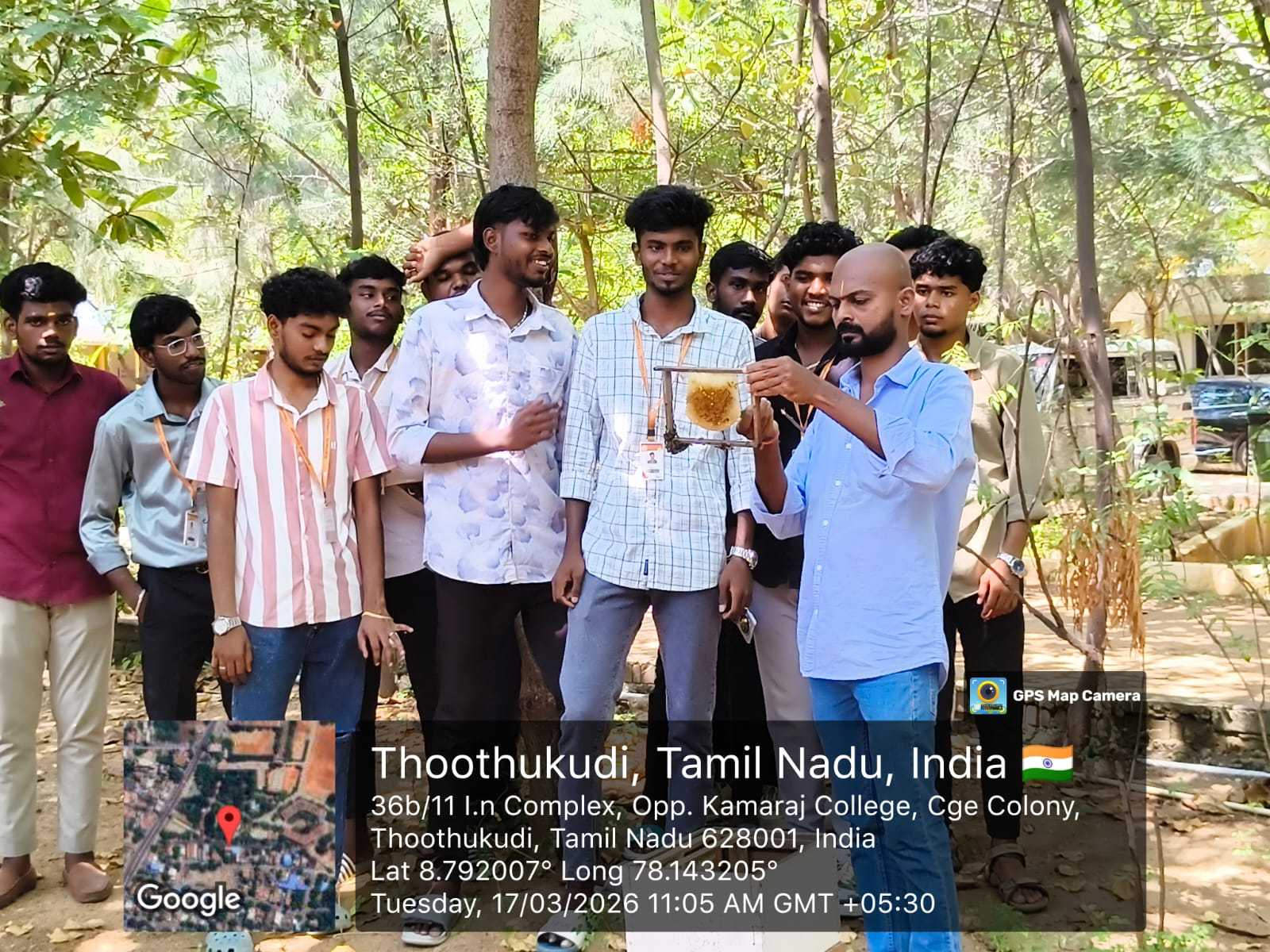
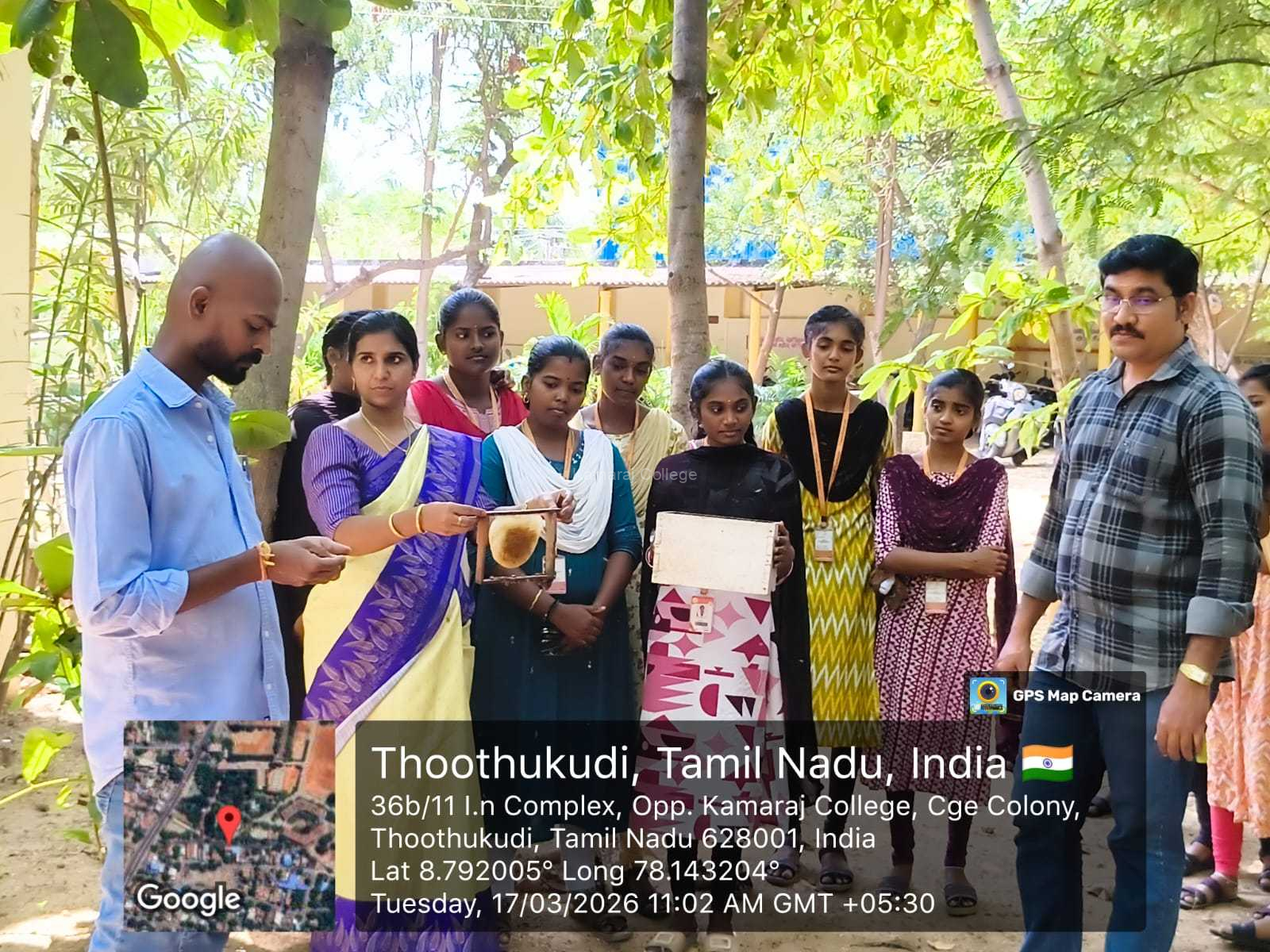
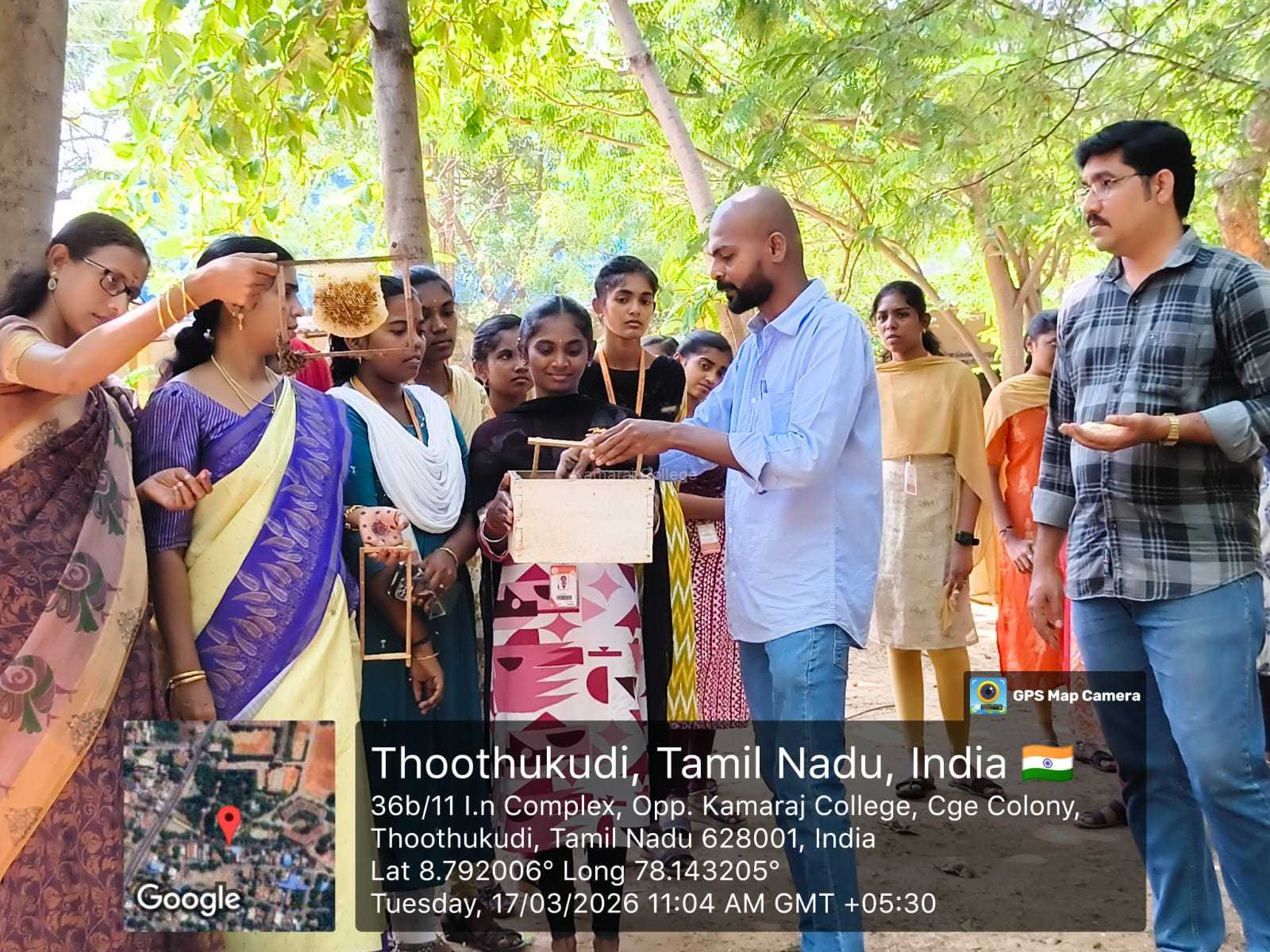
A major highlight of the Bee Keeping Programme was the field visit to the bee keeping garden.
Students had the opportunity to:
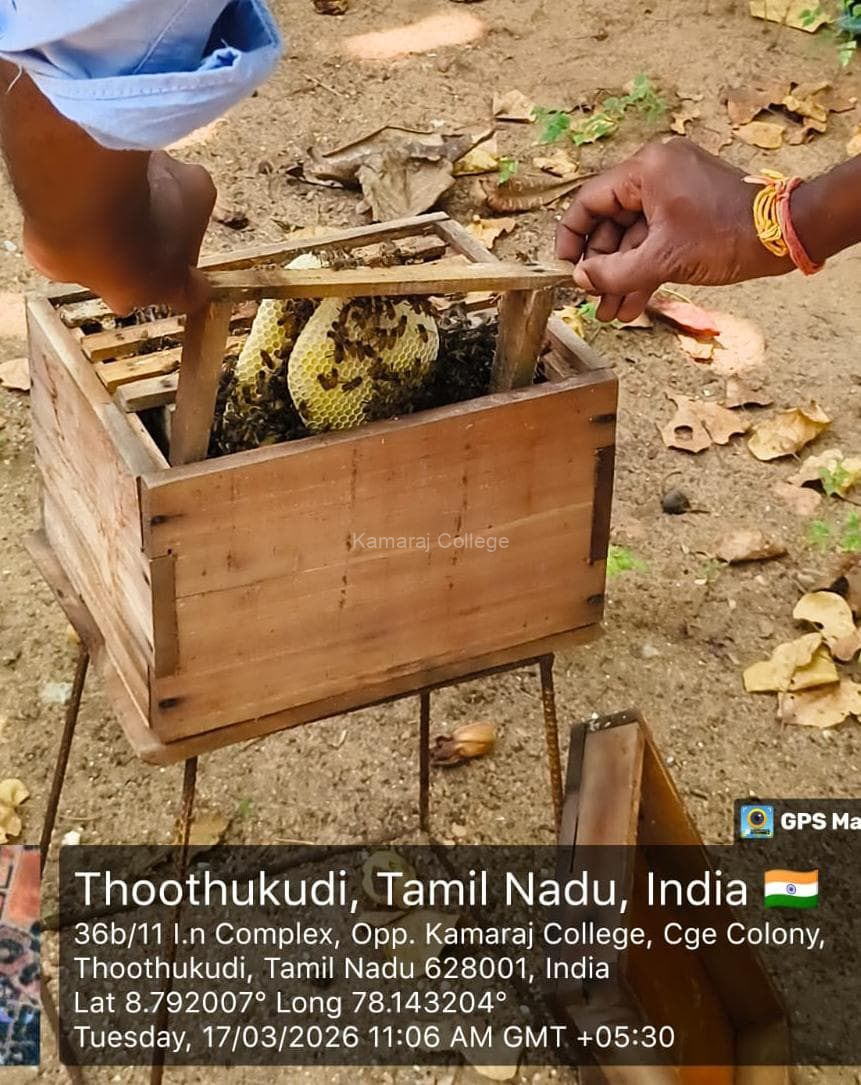
- Observe live bee hives
- Understand hive structure and design
- Learn about bee colony management
- Gain hands-on exposure to api culture practices
This practical exposure made the learning experience more engaging and meaningful.
Entrepreneurship Opportunities in Bee Keeping
The Bee Keeping Programme emphasized the potential of apiculture as a sustainable business opportunity.
Students learned that bee keeping can:
- Generate income through honey and by-products
- Support agricultural productivity through pollination
- Provide opportunities for small-scale entrepreneurship
- Promote eco-friendly and sustainable practices
Many students expressed interest in exploring bee keeping as a future entrepreneurial venture.
For more information, students can refer to the National Bee Board, which promotes apiculture in India.
Student Participation and Leadership
The Bee Keeping Programme witnessed active involvement from students.
The programme was successfully organized with:
- Participation of more than 60 students
- Active engagement during training sessions
- Student-led arrangements and coordination
All arrangements were efficiently managed by students under the leadership of the Department of Zoology, showcasing their organizational and leadership skills.
Importance of Capacity Building Programmes
Capacity building programmes like the Bee Keeping Programme play a crucial role in student development.
Such programmes help students:
- Gain practical and technical knowledge
- Develop entrepreneurial mindset
- Enhance employability skills
- Encourage sustainable livelihood practices
- Build confidence through hands-on learning
Educational organizations such as UNESCO emphasize the importance of skill-based education for sustainable development.
Role of Kamaraj College in Skill Development
Kamaraj College (Autonomous) actively promotes skill-based and entrepreneurship-oriented programmes.
The institution supports students by:
- Organizing capacity building workshops
- Encouraging practical learning
- Promoting sustainable development initiatives
- Providing opportunities for student leadership
The Bee Keeping Programme reflects the college’s commitment to holistic education.
Impact of the Programme
The Bee Keeping Programme proved to be highly beneficial and inspiring for students.
The programme:
- Enhanced knowledge of apiculture
- Provided practical exposure to bee keeping
- Encouraged entrepreneurial thinking
- Promoted sustainable practices
Such initiatives contribute significantly to the academic and professional growth of students.
Frequently Asked Questions
- What was the purpose of the Bee Keeping Programme? The programme aimed to train students in bee behaviour, honey production, and entrepreneurship.
- How many students participated? More than 60 students participated in the programme.
- What did students learn? Students learned about bee behaviour, api culture techniques, and honey production.
Conclusion
The Bee Keeping Programme organized by the Department of Zoology at Kamaraj College (Autonomous), Thoothukudi was a highly successful capacity building initiative.
The programme provided students with practical knowledge, hands-on experience, and entrepreneurial insights in the field of apiculture.
Such programmes continue to empower students with skills that contribute to sustainable development and self-employment opportunities.