
Bee Hive Workshop: 7 Powerful Skill Development Insights
Introduction to the Bee Hive Workshop
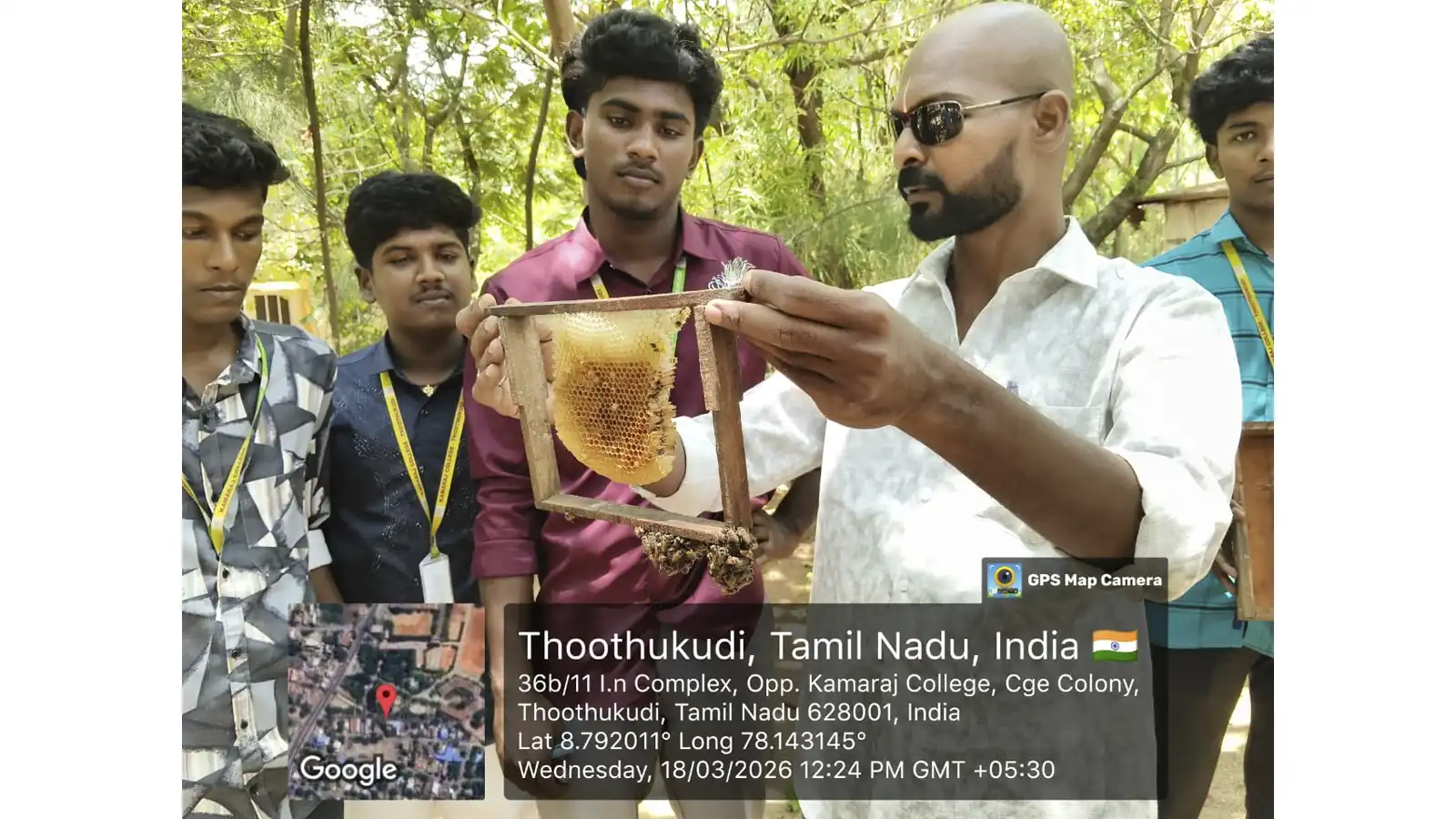
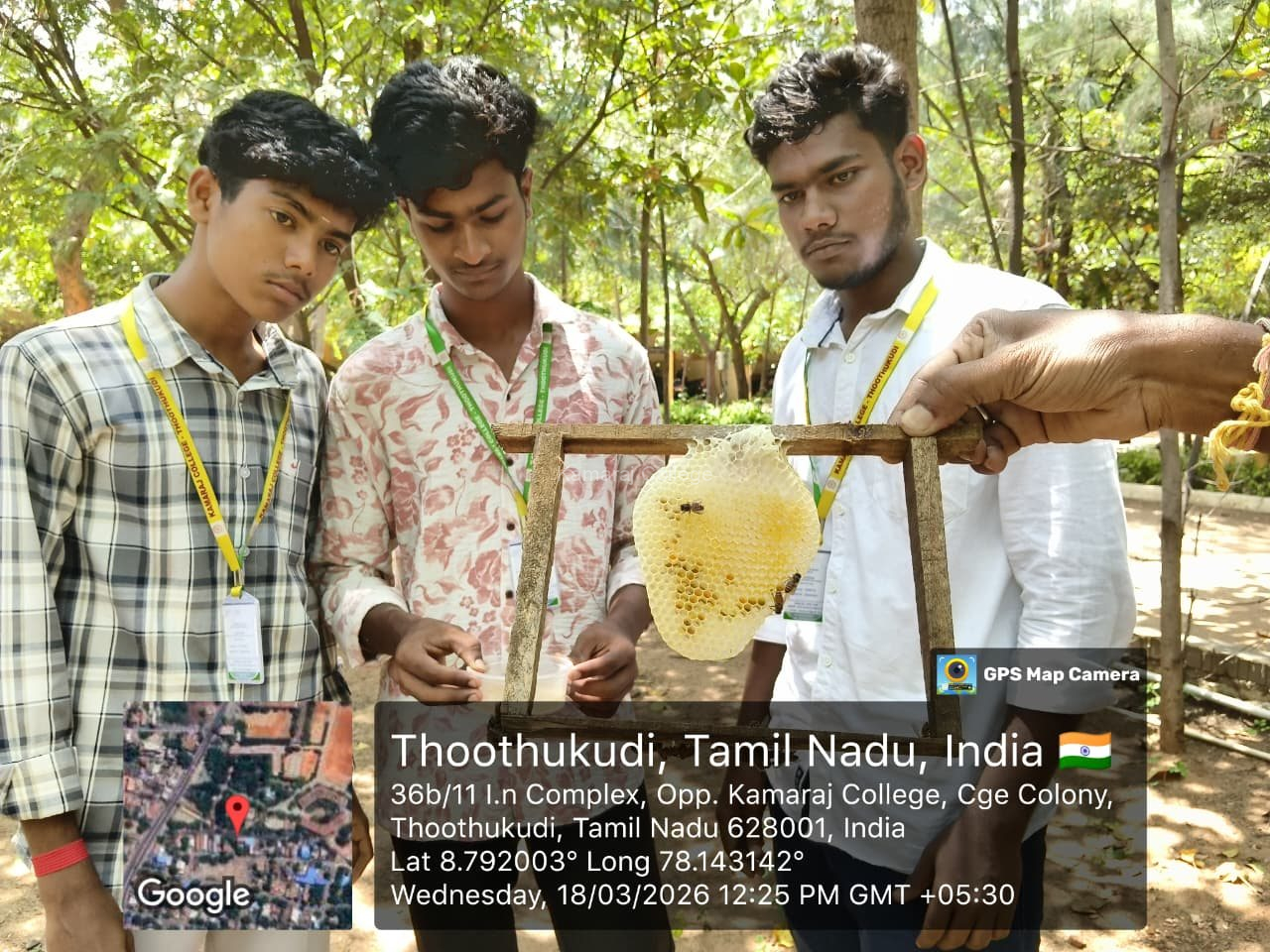
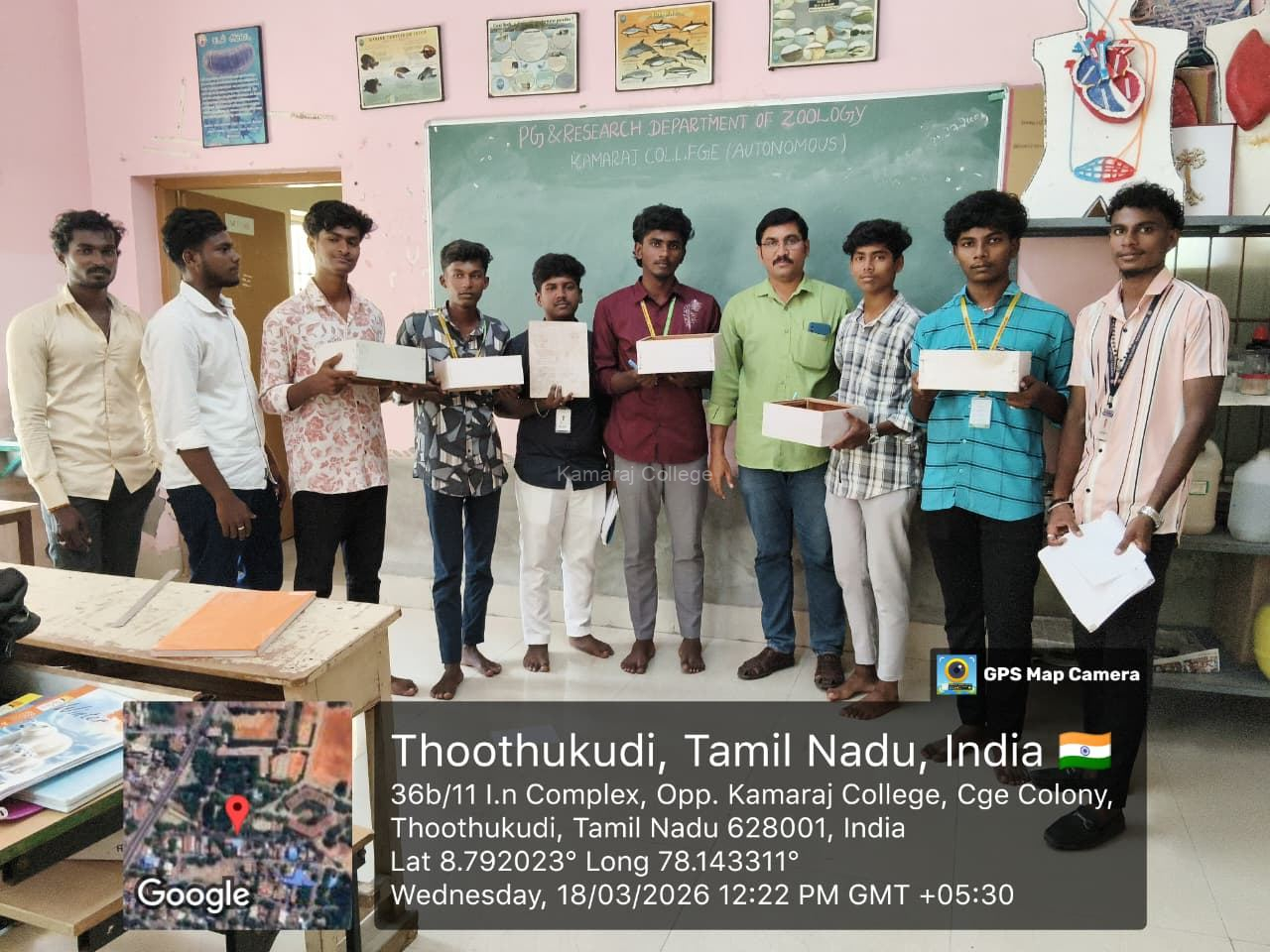
The Bee Hive Workshop was organized by the Department of Zoology at Kamaraj College (Autonomous), Thoothukudi on 18 March 2026 from 11.00 a.m. to 02.00 p.m. at the college campus.
The Bee Hive Workshop focused on providing practical training to students in bee keeping and artisanal bee hive box construction. The programme aimed to promote skill development and create awareness about sustainable livelihood opportunities.
Students actively participated in the workshop and gained hands-on experience in bee farming techniques and hive production.
Objectives of the Bee Hive Workshop
The Bee Hive Workshop was conducted with the goal of enhancing students’ practical skills and entrepreneurial awareness.
The key objectives included:
- Providing training in bee keeping techniques
- Teaching bee hive box construction methods
- Promoting sustainable livelihood practices
- Encouraging entrepreneurial skill development
- Creating awareness about eco-friendly practices
Therefore, the workshop helped students understand how scientific knowledge can be applied in real-world income-generating activities.
Training and Demonstration
The Bee Hive Workshop was led by experienced trainers:
- Dr. J. Nagarajan
- Dr. Siva Subra Maniam
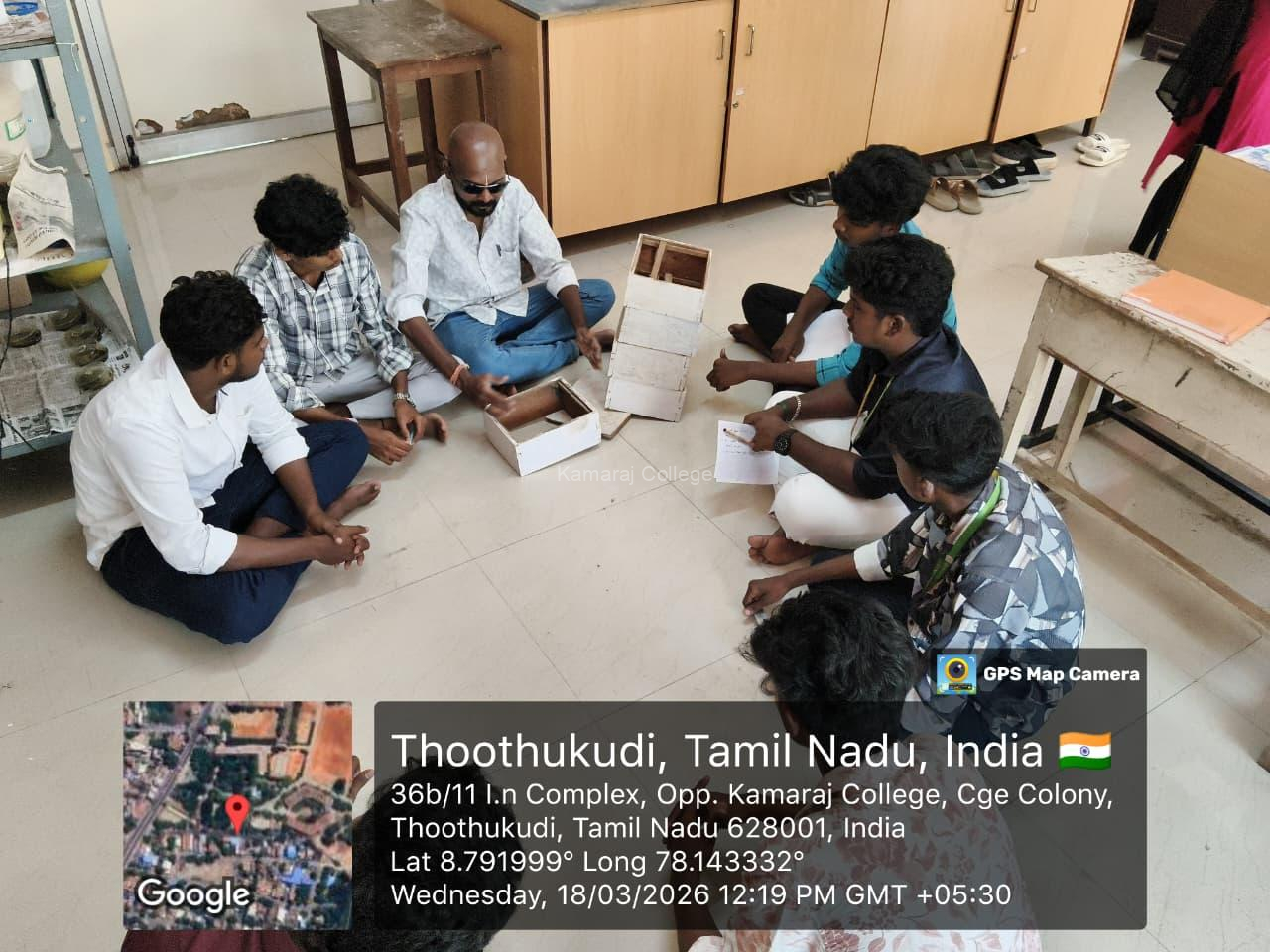
They provided detailed training on bee keeping practices and demonstrated the process of constructing bee hive boxes.
The training covered:
- Types of bee species used in apiculture
- Design and construction of bee hive boxes
- Maintenance and management of bee colonies
- Safety precautions in bee keeping
- Honey extraction and storage techniques
The practical demonstration helped students understand each step clearly and effectively.
Learning Experience for Students
The Bee Hive Workshop provided a valuable hands-on learning experience for students.
Students gained knowledge about:
- Scientific principles behind bee farming
- Practical skills in hive construction
- Eco-friendly agricultural practices
- Opportunities in apiculture and honey production
The interactive nature of the session allowed students to engage actively and clarify their doubts.
Entrepreneurial Opportunities in Bee Keeping
The Bee Hive Workshop highlighted the importance of bee keeping as a potential entrepreneurial venture.
Students learned that bee farming can:
- Generate income through honey production
- Support agricultural productivity through pollination
- Provide opportunities for small-scale business
- Promote sustainable and eco-friendly practices
Many students expressed that the training inspired them to explore entrepreneurship in the field of apiculture.
For further information, students can explore initiatives such as the National Bee Board, which promotes bee keeping in India.
Importance of Skill Based Training
Skill-based training programmes like the Bee Hive Workshop play an important role in student development.
Such programmes help students:
- Develop practical and technical skills
- Enhance employability and self-employment opportunities
- Encourage innovation and creativity
- Promote sustainable livelihood practices
- Build confidence in real-world applications
Educational organizations such as UNESCO emphasize the importance of skill-based learning for sustainable development.
Role of Kamaraj College in Skill Development
Kamaraj College (Autonomous) actively promotes skill development through workshops, training programmes, and practical learning initiatives.
The institution supports students by:
- Organizing hands-on workshops
- Encouraging entrepreneurship
- Providing real-world learning opportunities
- Promoting sustainable practices
The Bee Hive Workshop is a clear example of the college’s commitment to practical education.
Impact of the Workshop
The Bee Hive Workshop proved to be highly informative and inspiring for students.
The workshop:
- Enhanced practical knowledge of bee keeping
- Encouraged entrepreneurial thinking
- Promoted sustainable agricultural practices
- Inspired students to explore self-employment opportunities
Such initiatives contribute significantly to the holistic development of students.
Frequently Asked Questions
- What was the purpose of the Bee Hive Workshop? The workshop aimed to train students in bee keeping and hive construction.
- Who conducted the training? Dr. J. Nagarajan and Dr. Siva Subra Maniam conducted the training.
- What did students gain from the workshop? Students gained practical skills and knowledge about bee farming and entrepreneurship.
Conclusion
The Bee Hive Workshop organized by the Department of Zoology at Kamaraj College (Autonomous), Thoothukudi was a highly beneficial and inspiring programme.
The workshop successfully provided students with practical training in bee keeping and hive construction while encouraging them to explore entrepreneurial opportunities.
Such initiatives continue to strengthen skill-based education and promote sustainable development among students.