

Zoology Field Visit: 10 Powerful Learning Experiences in Marine Studies
Introduction
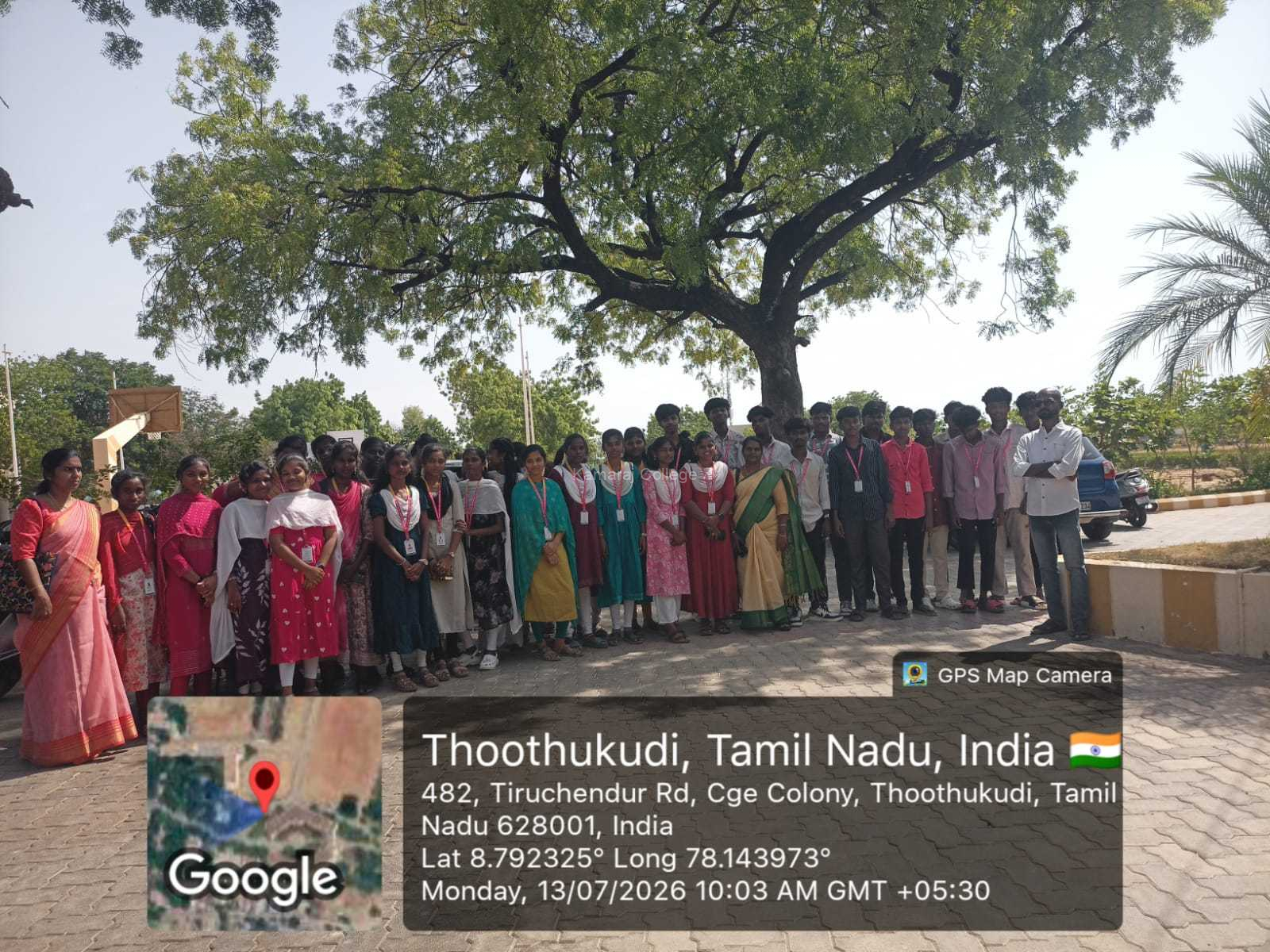
The Zoology Field Visit was successfully organized by the Department of Zoology of Kamaraj College (Autonomous), Thoothukudi for First Year B.Sc Zoology students on 13 July 2026. The students visited Thoothukudi Fisheries College and Swamy Vivekananda Nagar Beach, Thoothukudi.
A total of 40 students participated in the field visit. The students were accompanied by Dr. J. Nagarajan, Dr. S. Saraswathi and Dr. S. Nazerth Nisha. The visit provided practical exposure to fisheries science, aquaculture techniques, marine resource management and field-based learning.
Objectives of the Field Visit
The Zoology Field Visit was organized to connect classroom learning with practical observation and field experience.
The major objectives of the visit were:
- To provide practical exposure to fisheries science
- To introduce students to aquaculture techniques
- To create awareness about marine resource management
- To help students understand fish breeding and seed production methods
- To observe hatchery units, aquaculture ponds and aquarium systems
- To understand the role of water quality management in fisheries
- To collect marine specimens for practical skill development
The visit helped students understand the real-life applications of zoological concepts in fisheries, aquaculture and marine studies.
Visit to Thoothukudi Fisheries College
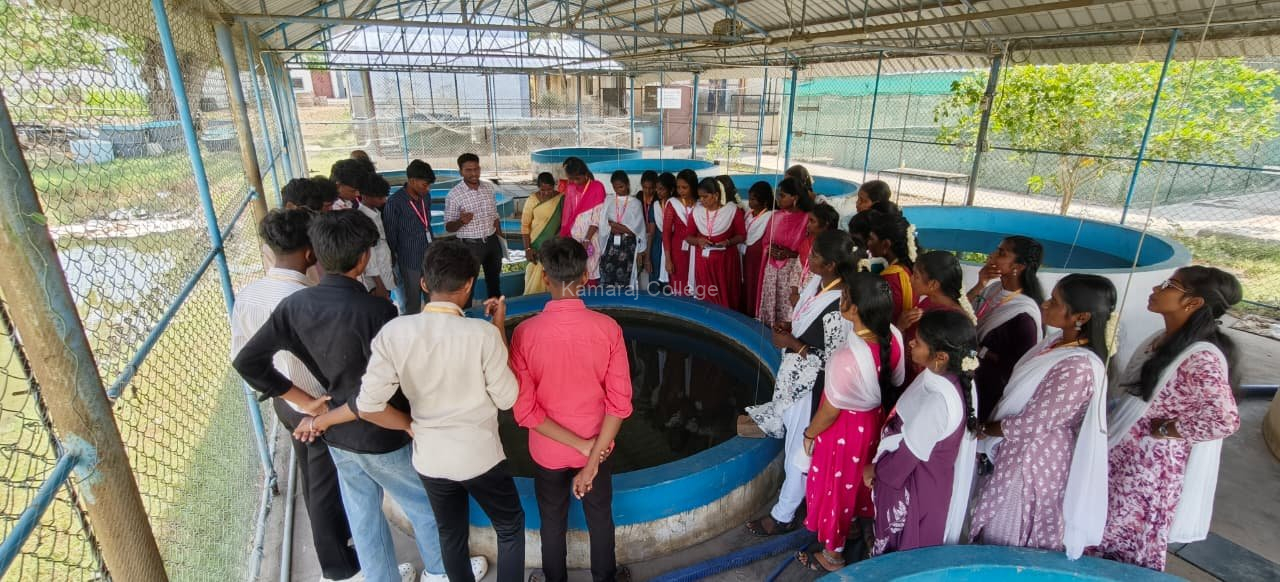
During the Zoology Field Visit, the students visited Thoothukudi Fisheries College, where they observed different facilities related to fisheries science and aquaculture.
The students gained exposure to fish hatchery units, aquaculture ponds, aquarium systems and various laboratories. These observations helped them understand how fisheries-related activities are carried out in an academic and practical environment.
The visit encouraged students to learn through observation and interaction, making the experience informative and meaningful.
Observation of Fish Hatchery Units
The students observed fish hatchery units during the visit. They learned about fish breeding methods and the importance of hatcheries in seed production.
The faculty members of the Fisheries College explained how fish breeding is managed and how healthy fish seeds are produced for aquaculture purposes. This helped students understand the scientific methods involved in fish culture and fisheries development.
The observation of hatchery units gave students valuable practical knowledge beyond classroom theory.
Learning about Aquaculture Ponds
The students also visited aquaculture ponds and learned about their role in fish farming. They observed how ponds are maintained for fish culture and how proper management is necessary for healthy growth.
The explanations helped students understand the importance of pond preparation, feeding practices, water management and regular monitoring in aquaculture. They also learned that aquaculture is an important field connected with food production, employment and marine resource development.
This part of the Zoology Field Visit was highly useful for understanding applied zoology.
Observation of Aquarium Systems and Laboratories
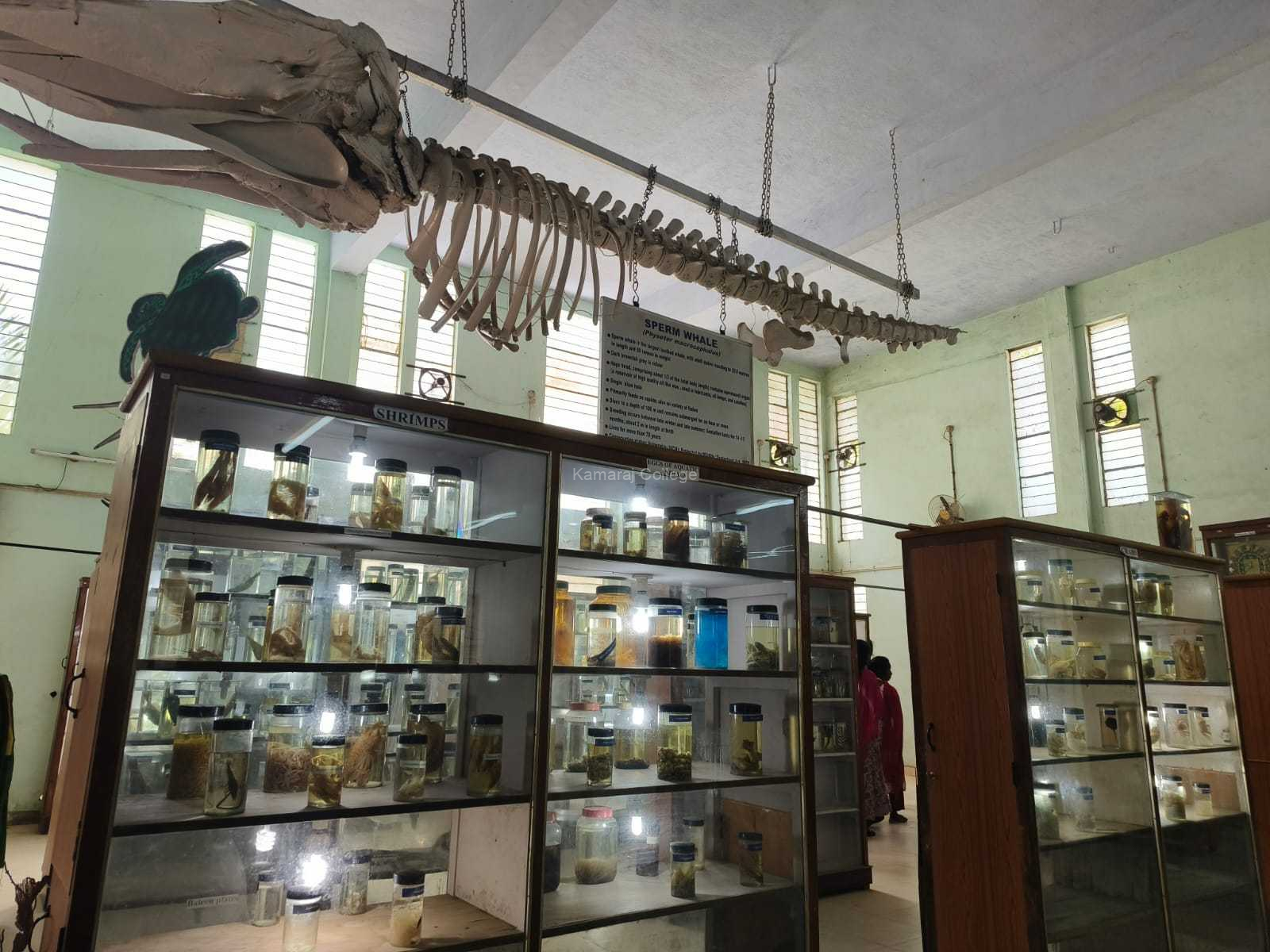
The students observed aquarium systems and various laboratories at the Fisheries College. These facilities helped them understand the maintenance of aquatic organisms and the scientific study of marine and freshwater species.
The laboratory visit gave students exposure to practical methods used in fisheries research and education. It also helped them understand the importance of observation, documentation and scientific handling in zoological studies.
The visit strengthened students’ interest in practical learning and research-based education.
Explanation by Fisheries College Faculty
Faculty members from the Fisheries College explained important concepts related to fisheries science and aquaculture. They guided the students on fish breeding methods, seed production, water quality management and career opportunities in fisheries.
Their explanations were simple, practical and useful for first-year students. The interaction helped students clarify their doubts and gain better understanding of the subject.
The guidance from the Fisheries College faculty made the visit highly informative and interactive.
Water Quality Management
An important topic discussed during the visit was water quality management. Students learned that water quality plays a major role in fish health, growth and survival.
They were made aware of the importance of maintaining proper water conditions in aquaculture ponds and aquarium systems. The explanation helped students understand that scientific monitoring is essential for successful fish culture.
This knowledge helped students connect zoological concepts with practical aquaculture management.
Career Opportunities in Fisheries
The students were also informed about career opportunities in fisheries. The faculty members explained that fisheries science offers opportunities in aquaculture, hatcheries, research institutions, marine resource management, government departments and related industries.
The session encouraged students to explore higher education and career paths in fisheries, marine biology and aquaculture. This guidance was useful for first-year students as it introduced them to future academic and professional possibilities.
The Zoology Field Visit helped students understand the career value of zoological studies.
Visit to Swamy Vivekananda Nagar Beach
As part of the field visit, the students also visited Swamy Vivekananda Nagar Beach, Thoothukudi. The beach visit provided direct exposure to the marine environment.
Students observed the coastal ecosystem and understood the importance of marine biodiversity. The visit helped them gain field knowledge about marine habitats and the role of coastal areas in supporting different life forms.
The beach visit added practical value to the learning experience.
Collection of Marine Specimens
During the field visit, students collected marine specimens for practical skill development. This activity helped them understand the importance of field collection, observation and scientific handling of specimens.
The collection of marine specimens gave students hands-on exposure and helped them improve their practical learning skills. It also supported their understanding of marine diversity and zoological classification.
This activity made the field visit more engaging and student-centered.
Role of Accompanying Faculty Members
The students were guided by Dr. J. Nagarajan, Dr. S. Saraswathi and Dr. S. Nazerth Nisha. The accompanying faculty members supported the students throughout the visit and ensured that the learning objectives were achieved.
Their guidance helped students observe the facilities carefully, understand the explanations given by the Fisheries College faculty and participate actively in the field activities.
The support of the faculty members contributed greatly to the success of the Zoology Field Visit.
Benefits for Students
The visit provided several valuable benefits to the participating students.
- Students gained practical exposure to fisheries science
- They observed fish hatchery units and aquaculture ponds
- They learned about fish breeding and seed production
- They understood the importance of water quality management
- They gained awareness about career opportunities in fisheries
- They collected marine specimens for practical skill development
- They connected classroom zoology concepts with real-life applications
These benefits helped students improve their subject knowledge, observation skills and practical understanding.
Outcome of the Field Visit
The Zoology Field Visit successfully provided first-year students with meaningful practical exposure to fisheries science, aquaculture and marine studies.
The major outcomes of the visit were:
- Improved understanding of fisheries science and aquaculture techniques
- Practical knowledge of hatchery units and aquarium systems
- Awareness about marine resource management
- Understanding of water quality management in fish culture
- Exposure to career opportunities in fisheries and aquaculture
- Practical learning through collection of marine specimens
The visit was informative, interactive and highly beneficial for the students.
Conclusion
The Zoology Field Visit organized by the Department of Zoology on 13 July 2026 to Thoothukudi Fisheries College and Swamy Vivekananda Nagar Beach concluded successfully. The visit provided valuable practical exposure to fisheries science, aquaculture techniques, fish breeding, seed production, water quality management, marine resources and career opportunities.
The active participation of 40 First Year B.Sc Zoology students and the guidance of Dr. J. Nagarajan, Dr. S. Saraswathi and Dr. S. Nazerth Nisha made the field visit highly useful and successful.
Overall, the visit reflected the commitment of Kamaraj College to experiential learning, practical skill development, marine awareness and holistic zoological education.
Internal Link
Kamaraj College (Autonomous), Thoothukudi