
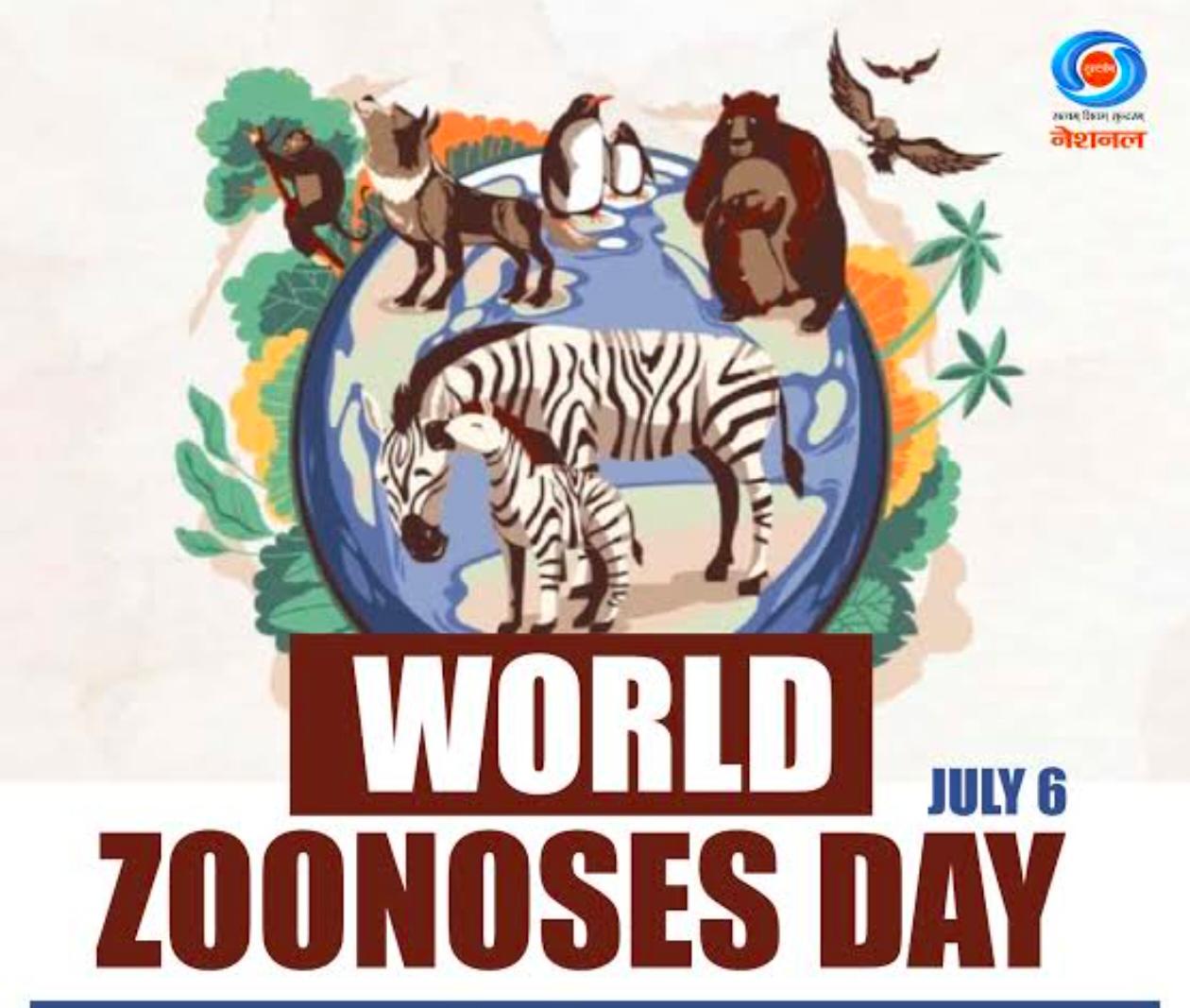
World Zoonoses Day: 10 Powerful Safety Measures Animal Health

Introduction
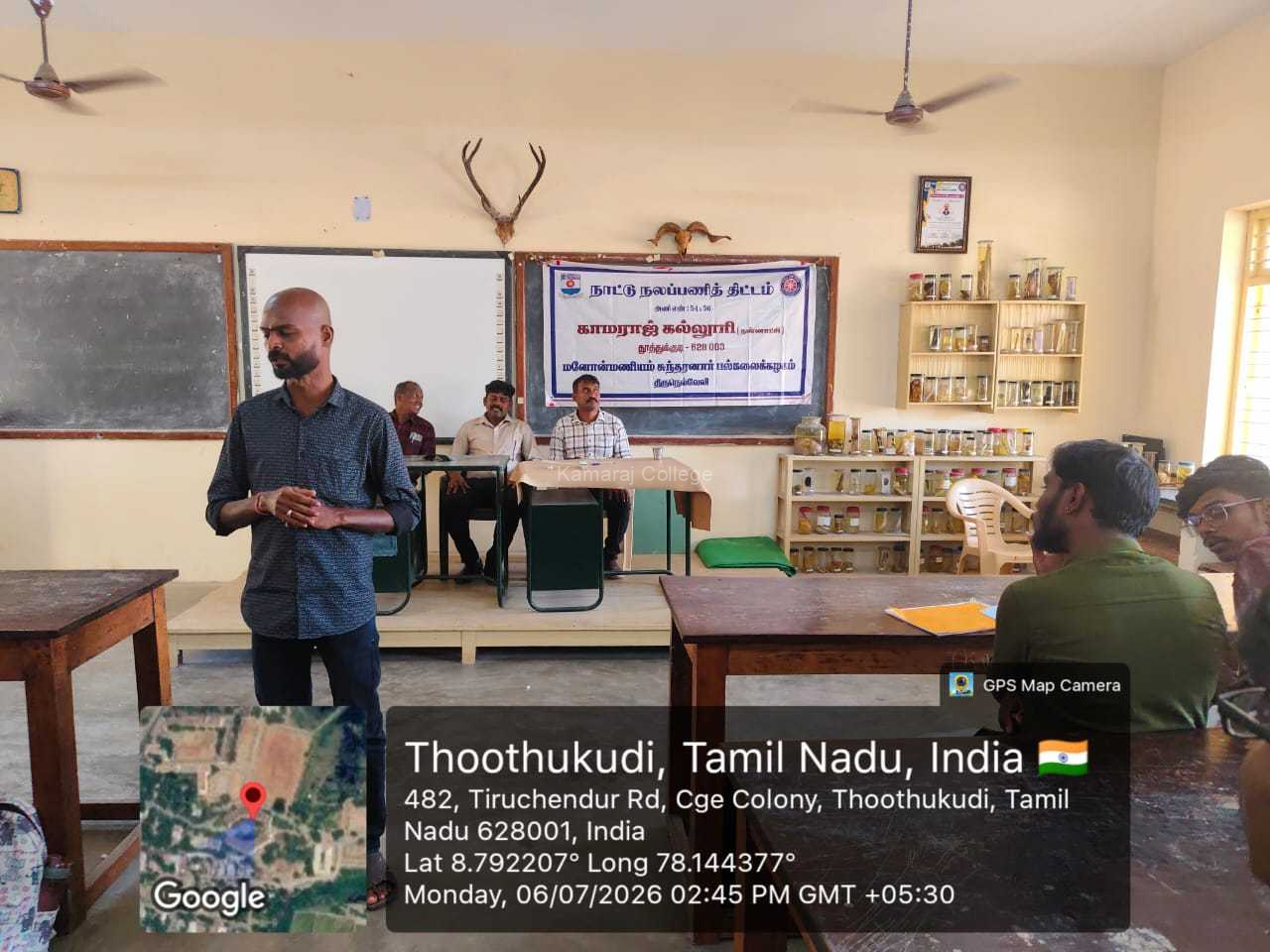
The World Zoonoses Day Awareness Programme was successfully conducted on 06 July 2026 at the Zoology Laboratory, Swami Vivekananda Block, on behalf of NSS Units 54, 56 and 145 of Kamaraj College (Autonomous), Thoothukudi. The programme was organized under the guidance of the College Secretary, Principal and Vice Principal.
World Zoonoses Day is observed every year on July 6 to create awareness about diseases transmitted from animals to humans. The programme aimed to educate students about zoonotic diseases, their causes, preventive methods and the importance of protecting human, animal and environmental health together.
Objectives of the Programme
The World Zoonoses Day awareness programme was organized to help students understand the importance of disease prevention and safe interaction with animals.
The major objectives of the programme were:
- To create awareness about zoonotic diseases
- To educate students about diseases transmitted from animals to humans
- To highlight the importance of vaccination for domestic animals
- To promote personal hygiene and safe food habits
- To explain the importance of the One Health approach
- To encourage students to spread awareness in society
- To promote responsible behaviour towards animal and public health
The programme helped students understand that prevention, awareness and responsible practices are essential to reduce the spread of zoonotic infections.
Significance of World Zoonoses Day
World Zoonoses Day is observed worldwide on July 6 to raise awareness about zoonotic diseases. These diseases are infections that can spread between animals and humans.
The day reminds people that human health is closely connected with animal health and environmental health. Many infectious diseases can be prevented when people follow proper hygiene, vaccinate domestic animals, handle food safely and remain aware of disease risks.
The programme helped students understand the relevance of World Zoonoses Day in the present world, where public health awareness is very important.
Special Address by the Resource Person
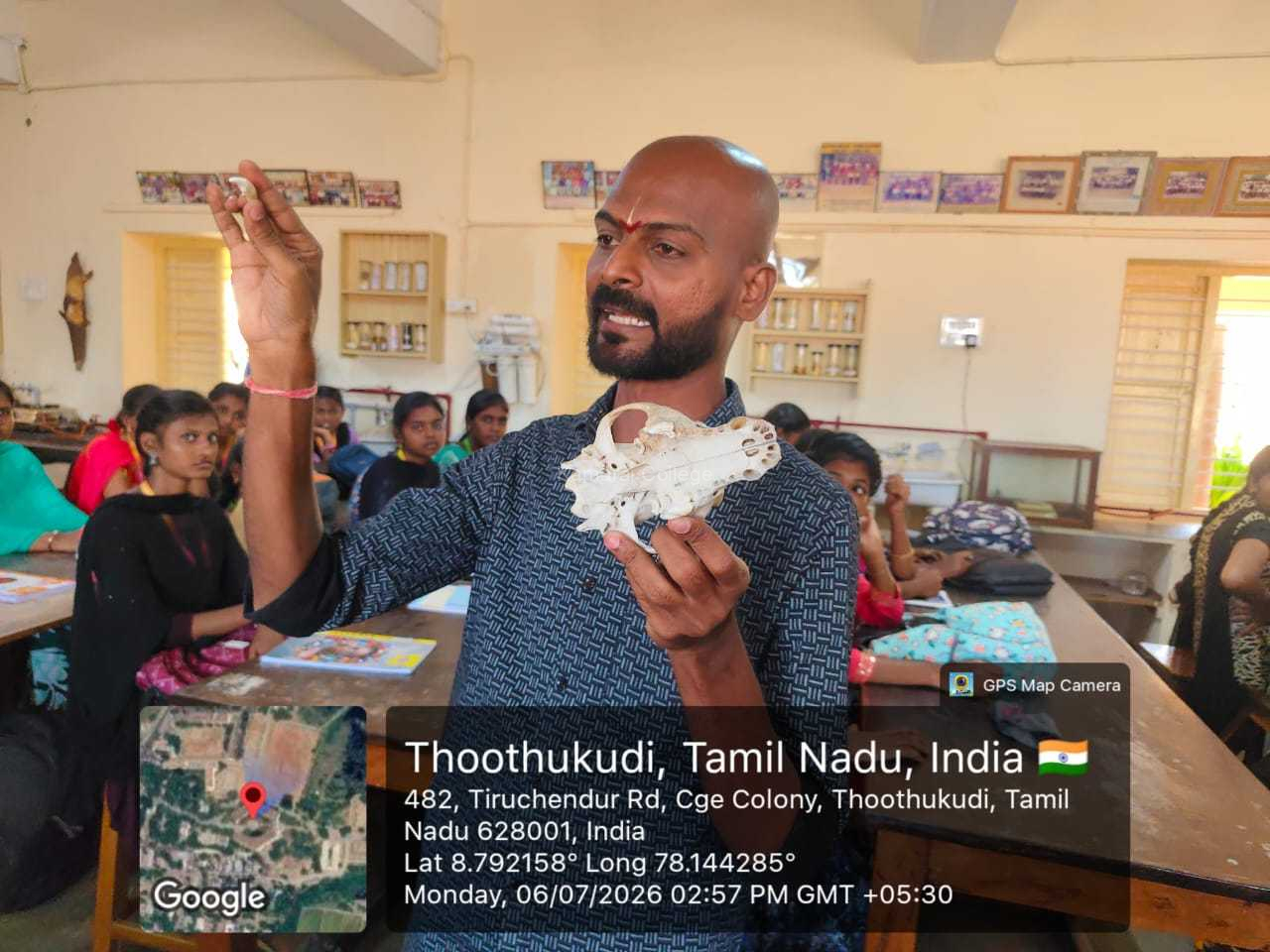
The special address was delivered by Dr. J. Nagarajan, Assistant Professor of Zoology. He participated as the special guest and delivered a detailed and informative address on zoonotic diseases.
He explained that infectious diseases transmitted between animals and humans are known as zoonotic diseases or zoonoses. He also highlighted that, according to the World Health Organization, a large number of infectious diseases affecting humans originate from animals.
His address helped students gain a clear understanding of the seriousness of zoonotic diseases and the importance of preventive health practices.
Awareness on Zoonotic Diseases
During the session, Dr. J. Nagarajan explained the meaning and impact of zoonotic diseases. He stated that zoonotic infections can spread through direct contact with animals, contaminated food, unsafe handling of animal products, insect bites and poor hygiene practices.
The session helped students understand that diseases transmitted from animals to humans can affect public health if preventive measures are not followed. He also explained that awareness among students and the public is essential to control and prevent such infections.
The World Zoonoses Day programme created useful awareness about the need for careful and responsible interaction with animals.
Preventive Measures Explained
The resource person highlighted important preventive measures that can help reduce the risk of zoonotic diseases.
- Domestic animals must be vaccinated regularly to prevent zoonotic infections
- Hands should be washed thoroughly with soap after touching animals
- Hands should be washed before eating food
- Unclean and undercooked meat should be avoided
- Raw milk should not be consumed
- Clean surroundings should be maintained to prevent infection
- Safe and responsible animal care practices should be followed
These preventive measures helped students understand how simple habits can protect individuals, families and communities from disease transmission.
Importance of Personal Hygiene
The programme emphasized the importance of personal hygiene in preventing zoonotic diseases. Students were informed that washing hands with soap after touching animals and before eating is one of the simplest and most effective ways to prevent infection.
The session also reminded students to maintain cleanliness at home, in public places and around animals. Proper hygiene protects not only individuals but also the community.
The World Zoonoses Day programme helped students understand that health protection begins with daily habits and responsible behaviour.
Food Safety and Disease Prevention
Food safety was another important point discussed during the programme. The resource person advised students to avoid unclean food, undercooked meat and raw milk.
He explained that unsafe food habits can increase the risk of infections transmitted from animals to humans. Proper cooking, clean handling of food and safe consumption practices are essential for maintaining good health.
This guidance helped students understand the connection between food safety and prevention of zoonotic diseases.
One Health Approach
The session highlighted the importance of the One Health approach. This approach focuses on protecting human health, animal health and environmental health together.
The resource person explained that humans, animals and the environment are closely connected. Therefore, preventing zoonotic diseases requires cooperation between doctors, veterinarians, environmental experts, public health workers and the community.
The World Zoonoses Day programme helped students understand that health awareness should not be limited to human beings alone. It must include animals and the environment as well.
Role of NSS Units
The programme was organized by NSS Units 54, 56 and 145 of Kamaraj College. NSS plays an important role in creating awareness among students about public health, social responsibility and community welfare.
Through this programme, the NSS units encouraged students to understand a serious health issue and share awareness with others. The event also reflected the role of NSS volunteers in promoting preventive health practices and responsible citizenship.
The programme was organized by NSS Programme Officers Mr. P. Anand of Unit 54, Mr. M. Ayyanuraj of Unit 56 and Dr. S. Marimuthu of Unit 145.
Student Participation
A total of 80 students participated in the World Zoonoses Day awareness programme and gained valuable insights. The students listened attentively to the special address and understood the importance of preventing diseases transmitted from animals to humans.
Their participation showed interest in learning about public health, hygiene, animal safety and environmental responsibility. The programme encouraged students to follow preventive measures in daily life and spread awareness among family members and society.
The active involvement of students made the programme meaningful and successful.
Benefits for Students
The programme provided several valuable benefits to the participating students.
- Students gained awareness about zoonotic diseases
- They understood how diseases can spread from animals to humans
- They learned the importance of vaccinating domestic animals
- They understood the value of handwashing and personal hygiene
- They received guidance on safe food habits
- They learned the importance of the One Health approach
- They were motivated to spread public health awareness
These benefits helped students become more aware of preventive health practices and responsible community behaviour.
Outcome of the Programme
The World Zoonoses Day awareness programme successfully educated students about zoonotic diseases, their prevention and the importance of responsible health practices.
The major outcomes of the programme were:
- Improved awareness about diseases transmitted from animals to humans
- Better understanding of hygiene and food safety practices
- Awareness about the need for regular vaccination of domestic animals
- Understanding of the One Health approach
- Motivation among students to follow preventive measures
- Encouragement to spread awareness in the community
The programme was informative, timely and highly useful for the students.
Conclusion
The World Zoonoses Day Awareness Programme conducted by NSS Units 54, 56 and 145 of Kamaraj College on 06 July 2026 concluded successfully. The special address by Dr. J. Nagarajan, Assistant Professor of Zoology, created valuable awareness about zoonotic diseases, preventive measures, personal hygiene, food safety and the One Health approach.
The participation of 80 students and the coordination of Mr. P. Anand, Mr. M. Ayyanuraj and Dr. S. Marimuthu made the programme effective and beneficial. Overall, the programme reflected the commitment of Kamaraj College to public health awareness, student education, social responsibility and community welfare.
Internal Link
Kamaraj College (Autonomous), Thoothukudi