

Commerce Mentoring 2026: Powerful Guidance for Student Success
Report on Mentor-Mentee Meeting
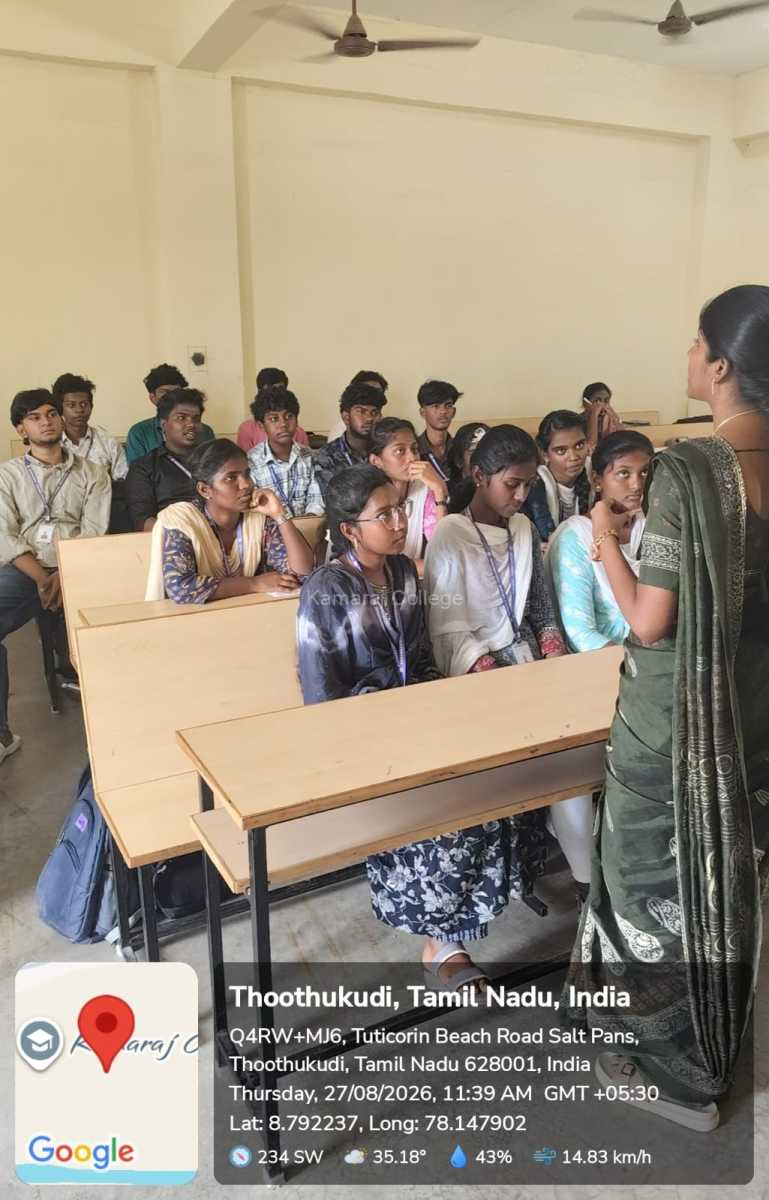
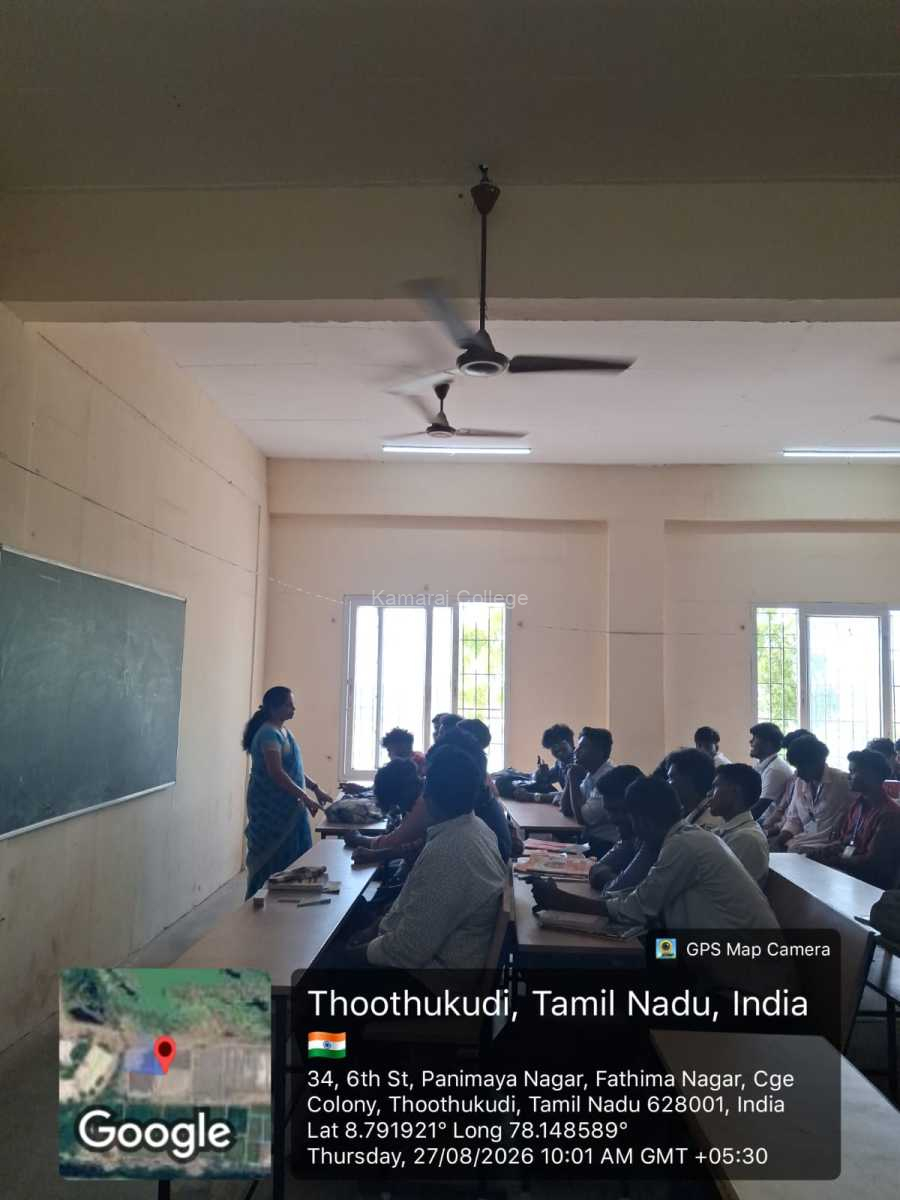
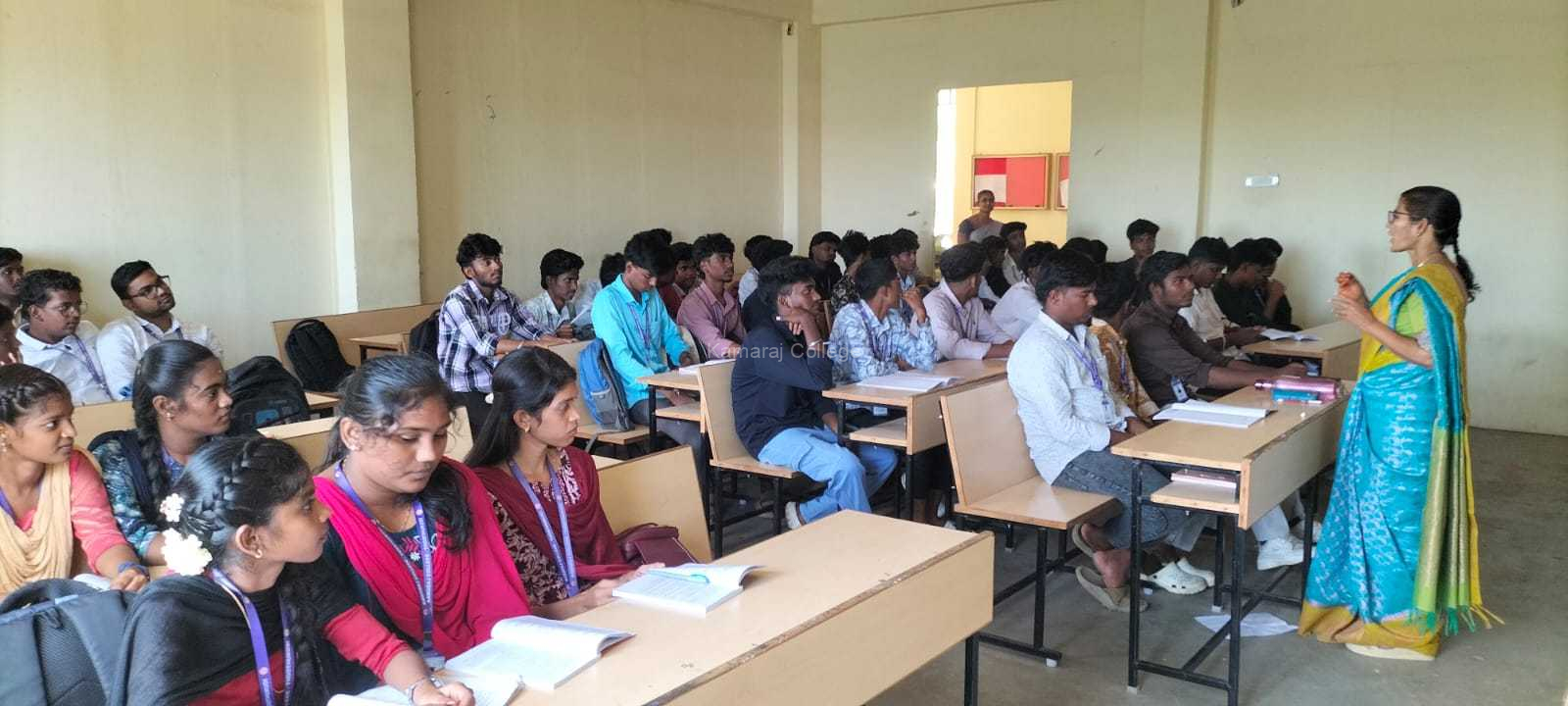
Commerce Mentoring was organised by the Department of Commerce (SF), Kamaraj College (Autonomous), Thoothukudi, through a Mentor-Mentee Meeting held on 27 August 2026 at the GJ Block.
The meeting aimed to strengthen the relationship between mentors and mentees while providing students with appropriate academic guidance, personal support and career-oriented direction.
The programme created a friendly and supportive platform for students to interact with their mentors and discuss their academic progress, challenges, goals and areas that required additional guidance.
Furthermore, the interaction encouraged students to communicate openly with their mentors and seek appropriate support for their academic, personal and professional development.
Objectives of the Mentor-Mentee Meeting
The Commerce Mentoring session focused on understanding the individual academic and developmental needs of students.
The major objectives were:
- Strengthen the relationship between mentors and mentees
- Review students’ academic progress
- Identify learning difficulties and academic challenges
- Provide appropriate personal guidance
- Encourage positive learning habits
- Promote regular academic progress
- Guide students in skill development
- Encourage participation in departmental activities
- Provide career-oriented guidance
- Support students in planning their future goals
Thus, the programme focused on the holistic development of students through continuous interaction and personalised guidance.
Strengthening Mentor-Mentee Relationships
A strong relationship between mentors and students can contribute significantly to the academic experience of learners.
The meeting encouraged students to communicate openly with their mentors and seek guidance whenever required.
Mentors, in turn, had an opportunity to understand the academic progress, concerns and aspirations of their mentees.
Moreover, regular interaction can help mentors identify areas where students require additional support.
The programme therefore strengthened trust, communication and cooperation between mentors and mentees.
Review of Academic Progress
Academic development formed an important part of the Commerce Mentoring session.
Mentors interacted with students about their academic progress and encouraged them to remain consistent in their studies.
Students were guided to identify areas where improvement was required and take suitable steps to strengthen their performance.
Furthermore, they were encouraged to develop systematic study habits rather than depend only on examination-oriented preparation.
Regular academic monitoring can help students remain focused and take greater responsibility for their learning.
Developing Positive Learning Habits
The mentors encouraged students to cultivate positive learning habits.
Consistent learning, regular revision and active classroom participation can contribute to better academic performance.
Students were encouraged to manage their time effectively and complete their academic responsibilities in a systematic manner.
Moreover, positive learning habits can reduce academic pressure and improve students’ confidence.
The meeting therefore motivated students to develop a disciplined and organised approach towards their studies.
Addressing Student Challenges
The meeting provided students with an opportunity to discuss the challenges they experience during their academic journey.
A supportive mentoring environment enables students to share their concerns without hesitation.
Mentors can then provide appropriate guidance based on the individual needs of students.
Such interaction is particularly valuable because different students may face different academic and developmental challenges.
Therefore, personalised mentoring can help students identify practical ways to overcome difficulties and move forward confidently.
Personal Support and Guidance
The programme recognised that student development extends beyond academic performance.
Students may require guidance in managing responsibilities, building confidence and setting realistic goals.
Mentors therefore provided a supportive environment where students could seek advice regarding their personal and academic development.
Furthermore, the interaction encouraged students to develop greater self-awareness and take responsible decisions.
This approach supports the overall well-being and development of students.
Importance of Effective Communication
The meeting highlighted the importance of effective communication in academic and professional life.
Students need confidence to communicate their ideas, ask questions and seek clarification.
Good communication also helps them participate more actively in classroom discussions, presentations and group activities.
Moreover, professional environments require individuals to communicate clearly with colleagues and other stakeholders.
Therefore, students were encouraged to continuously strengthen their verbal and interpersonal communication abilities.
Building Self-Confidence
Self-confidence was another important area emphasised during the mentoring interaction.
Students were encouraged to recognise their strengths while working consistently on areas that required improvement.
Confidence helps students participate actively in academic and co-curricular activities.
It also enables them to approach new opportunities with a positive attitude.
Through mentoring and encouragement, students can gradually develop greater confidence in their abilities and decision-making.
Importance of Discipline
The mentors emphasised that discipline is essential for both academic and professional success.
Regular attendance, responsible behaviour, punctuality and consistent effort can help students achieve their goals.
Discipline also enables students to manage their academic responsibilities more effectively.
Furthermore, disciplined habits developed during college can benefit students throughout their professional lives.
Therefore, the session encouraged students to approach their studies and responsibilities with commitment.
Continuous Learning
The programme also highlighted the importance of continuous learning.
The modern business and employment environment changes rapidly. Therefore, students need to continue updating their knowledge and abilities.
They were encouraged to remain curious and make use of learning opportunities both inside and outside the classroom.
Continuous learning can help students adapt to new technologies, workplace expectations and professional challenges.
Thus, the mentoring session encouraged students to develop a lifelong interest in learning and self-improvement.
Skill Development
Skill development formed an important part of the interaction.
Students were encouraged to strengthen abilities that complement their academic knowledge.
These include:
- Communication Skills
- Time Management
- Teamwork
- Leadership
- Problem-Solving
- Digital Skills
- Presentation Skills
- Adaptability
- Decision-Making
- Professional Confidence
Developing these competencies can improve students’ readiness for higher education and employment.
Participation in Departmental Activities
Mentors encouraged students to participate actively in departmental and co-curricular activities.
Such participation provides valuable learning experiences beyond the classroom.
Seminars, workshops, competitions, club activities and other programmes can help students develop confidence and practical skills.
Moreover, active participation enables students to interact with others and explore their individual talents.
Therefore, students were motivated to make effective use of the opportunities provided by the Department.
Career-Oriented Guidance
The Commerce Mentoring programme also focused on future career development.
Students were encouraged to think about their career interests and identify the knowledge and skills required to achieve their goals.
Early career planning can help students make better decisions regarding higher education, competitive examinations and employment opportunities.
Furthermore, mentors can guide students in identifying their strengths and selecting suitable pathways.
The meeting therefore encouraged students to approach career planning with greater clarity and purpose.
Understanding Future Aspirations
The interaction provided students with an opportunity to discuss their future aspirations with their mentors.
Students may have different goals, including higher studies, professional qualifications, employment, entrepreneurship or competitive examinations.
Therefore, mentoring helps them understand the requirements of different pathways.
Mentors encouraged students to set achievable goals and work consistently towards them.
This approach can help students connect their present academic efforts with their future ambitions.
Role of the Staff Coordinator
The programme was coordinated by Dr. G. Mabel Granapu, Staff Coordinator.
The coordination ensured the smooth conduct of the mentoring activity and supported meaningful interaction between students and mentors.
Effective coordination also helped create an organised and supportive environment for the programme.
Role of Student Coordinators
The programme received active support from the student coordinators:
- Meshaac Harivasan – M.Com
- Poornima Devi – M.Com
- Sundar Raj – B.Com
Their involvement contributed to the successful organisation of the meeting.
Participation in coordinating departmental activities also helps students develop responsibility, teamwork, communication and organisational abilities.
Guidance and Institutional Support
The programme was conducted under the guidance of Dr. V. Gopalakrishnan, Head of the Department and Convenor.
The event received valuable support from:
- Dr. A. Arunachala Rajan, Vice Principal
- Dr. K. Bhanumathi, Principal
- Mr. R. Muthuselvam, Secretary
Their encouragement and support contributed to the effective conduct of the mentoring programme and strengthened the Department’s efforts towards student development.
A Supportive Learning Environment
The Mentor-Mentee Meeting created a friendly environment where students could interact freely with their mentors.
Such an environment can make students more comfortable in seeking academic and personal guidance.
It also helps mentors understand students beyond their classroom performance.
Consequently, mentoring can become an effective mechanism for identifying individual needs and providing timely support.
The programme reinforced the Department’s commitment to maintaining continuous interaction with students.
Key Areas of Mentoring
The meeting focused on several important areas:
- Academic Progress
- Learning Difficulties
- Positive Study Habits
- Personal Development
- Communication Skills
- Self-Confidence
- Discipline
- Skill Development
- Co-curricular Participation
- Career Planning
- Future Aspirations
- Continuous Learning
Together, these areas provided students with comprehensive guidance for their academic and professional development.
Programme Highlights
- Programme: Mentor-Mentee Meeting
- Date: 27 August 2026
- Venue: GJ Block
- Organised by: Department of Commerce (SF)
- Institution: Kamaraj College (Autonomous), Thoothukudi
- Staff Coordinator: Dr. G. Mabel Granapu
- Student Coordinators: Meshaac Harivasan, Poornima Devi and Sundar Raj
- Head of the Department and Convenor: Dr. V. Gopalakrishnan
- Vice Principal: Dr. A. Arunachala Rajan
- Principal: Dr. K. Bhanumathi
- Secretary: Mr. R. Muthuselvam
- Major Focus: Academic guidance, personal support, skill development and career direction
Programme Outcomes
The Commerce Mentoring programme resulted in several meaningful outcomes.
Through the interaction, students:
- Received individual and academic guidance
- Reviewed their academic progress
- Identified areas requiring improvement
- Received support in addressing academic concerns
- Understood the importance of positive learning habits
- Recognised the value of discipline and regular progress
- Gained motivation to improve communication and self-confidence
- Understood the importance of skill development
- Received guidance regarding future aspirations
- Developed greater clarity about academic and career goals
- Were encouraged to participate actively in departmental activities
- Strengthened their relationship with their mentors
Overall, the meeting provided students with guidance and encouragement to approach their academic and personal goals with greater confidence.
Strengthening Student Development
The Mentor-Mentee Meeting demonstrated the importance of regular interaction between faculty mentors and students.
Students benefit when they have a trusted academic mentor who can guide them during different stages of their college education.
Such guidance can help students identify challenges early and take suitable corrective measures.
Furthermore, regular mentoring can motivate students to remain focused on their goals and make better use of available opportunities.
Conclusion
The Commerce Mentoring programme organised by the Department of Commerce (SF), Kamaraj College (Autonomous), Thoothukudi, on 27 August 2026 at the GJ Block was a meaningful and supportive student development initiative.
The Mentor-Mentee Meeting provided students with an opportunity to discuss their academic progress, challenges, skill development needs, personal goals and future aspirations with their mentors.
The programme also emphasised the importance of effective communication, self-confidence, discipline, positive learning habits and continuous learning.
The efforts of Dr. G. Mabel Granapu, Staff Coordinator, along with student coordinators Meshaac Harivasan, Poornima Devi and Sundar Raj, contributed to the successful conduct of the programme.
Under the guidance of Dr. V. Gopalakrishnan, Head of the Department and Convenor, and with the support of Dr. A. Arunachala Rajan, Vice Principal; Dr. K. Bhanumathi, Principal; and Mr. R. Muthuselvam, Secretary, the meeting concluded successfully.
Overall, the programme strengthened mentor-mentee relationships and renewed the Department’s commitment to guiding, inspiring and empowering students towards academic achievement, personal growth and a brighter professional future.
Internal Link
External Links
- University Grants Commission – Explore higher education initiatives and resources supporting student development in India.
- National Career Service – Explore career guidance, employment resources and professional development opportunities.