
Science Exploration 2026: Inspiring Field Trip for 37+ School Visitors
Science Exploration Educational Field Trip was organised by the PG and Research Department of Zoology, Kamaraj College (Autonomous), Thoothukudi, for students of Delight Public School (Senior Secondary), Thoothukudi, on 10 September 2026. More than 37 visitors took part in the programme and gained practical exposure to aquaculture, fisheries science, biological science, museum specimens, laboratory facilities and various scientific disciplines.
The educational visit was designed to create interest in science among school students and encourage them to consider science streams after completing their school education. The students explored the Zoology Museum, fish culture ponds and various laboratory facilities and gained insights into the practical applications of science.
Science Exploration at Kamaraj College
The educational field trip provided school students with an opportunity to experience science beyond their regular classroom environment.
Students were introduced to aquaculture techniques, fisheries science, biological science and culture methods used to enhance fish productivity.
The programme combined scientific explanation with visits to laboratories and other academic facilities, enabling the students to observe how scientific concepts are applied in practice.
Objectives of the Educational Field Trip
The programme was organised to promote scientific curiosity and introduce school students to different areas of higher education in science.
The major objectives were:
- Encourage school students to develop an interest in science
- Introduce students to aquaculture and fisheries science
- Provide exposure to biological sciences and laboratory facilities
- Create awareness about modern fish culture techniques
- Introduce students to museum-based scientific learning
- Provide practical exposure beyond classroom learning
- Introduce students to different branches of science
- Develop curiosity through observation and exploration
- Create awareness about the economic importance of seafood exports
- Encourage students to choose science streams for higher studies
Educational Visit by Delight Public School Students
Students of Delight Public School (Senior Secondary), Thoothukudi, visited Kamaraj College as part of the educational field trip.
More than 37 visitors participated in the programme and explored various scientific facilities available on the campus.
The visit gave them an opportunity to interact with faculty members and understand scientific concepts through observation and practical exposure.
Introduction to Aquaculture Techniques
Aquaculture formed an important component of the Science Exploration programme.
Dr. J. Nagarajan, Assistant Professor of Zoology, explained various aquaculture methods and the use of modern technologies in fish production.
Students gained an understanding of how scientific culture techniques are adopted by stakeholders to improve fish productivity.
The interaction helped them connect biological concepts with their practical applications in fisheries and aquaculture.
Modern Technologies in Aquaculture
The students were introduced to the role of modern technology in aquaculture.
Scientific management and appropriate culture techniques can contribute to improving productivity and supporting the fisheries sector.
The session helped the school students understand that aquaculture involves the application of biology, environmental science and technology.
This exposure broadened their understanding of science as a field with significant real-world applications.
Awareness About Pearl Culture
Dr. J. Nagarajan also introduced the students to pearl culture.
The interaction helped students understand that aquatic organisms have scientific as well as economic significance.
Learning about pearl culture provided an interesting example of how biological knowledge and culture techniques can be applied for productive purposes.
The topic generated an opportunity for students to explore an area of biological science that may not normally form part of their regular classroom experience.
Finfish and Shellfish Biology
The students were introduced to the biology of finfish and shellfish.
The session helped them understand the diversity of aquatic organisms and their importance in fisheries and aquaculture.
By connecting biological knowledge with fish production and aquatic resources, the programme demonstrated the practical relevance of Zoology.
The interaction also helped students appreciate aquatic biodiversity and its importance to society and the economy.
Seafood Exports and the Indian Economy
Another important aspect of the programme was an introduction to the role of seafood exports in the Indian economy.
Dr. J. Nagarajan explained the economic importance associated with fisheries and seafood.
This enabled students to understand that biological sciences are connected not only with academic study but also with industries, livelihoods and economic activity.
The session therefore linked scientific knowledge with its wider social and economic relevance.
Exploration of the Zoology Museum
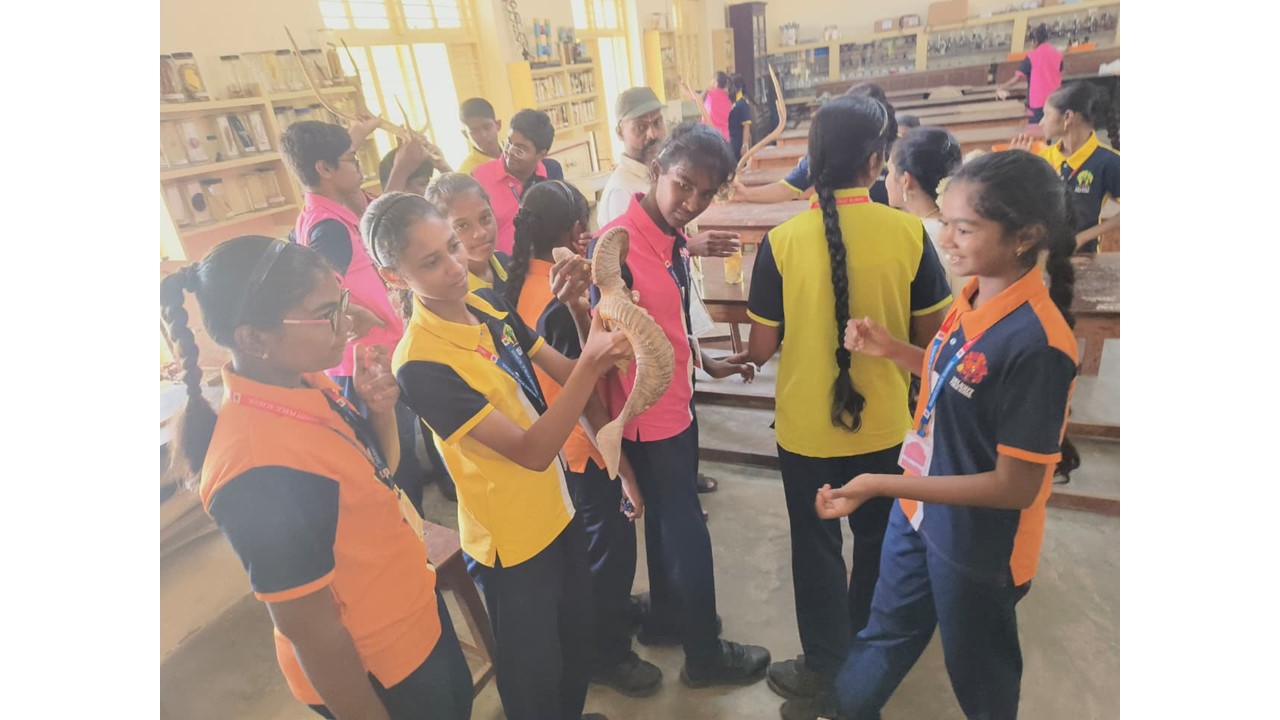
A major attraction of the Science Exploration programme was the visit to the Zoology Museum.
The students spent time observing the museum collections and gaining exposure to biological specimens.
Museum-based learning enables students to observe biological diversity directly and complements concepts learned through textbooks.
The experience helped make the educational visit more engaging and visually informative.
Visit to Fish Culture Ponds
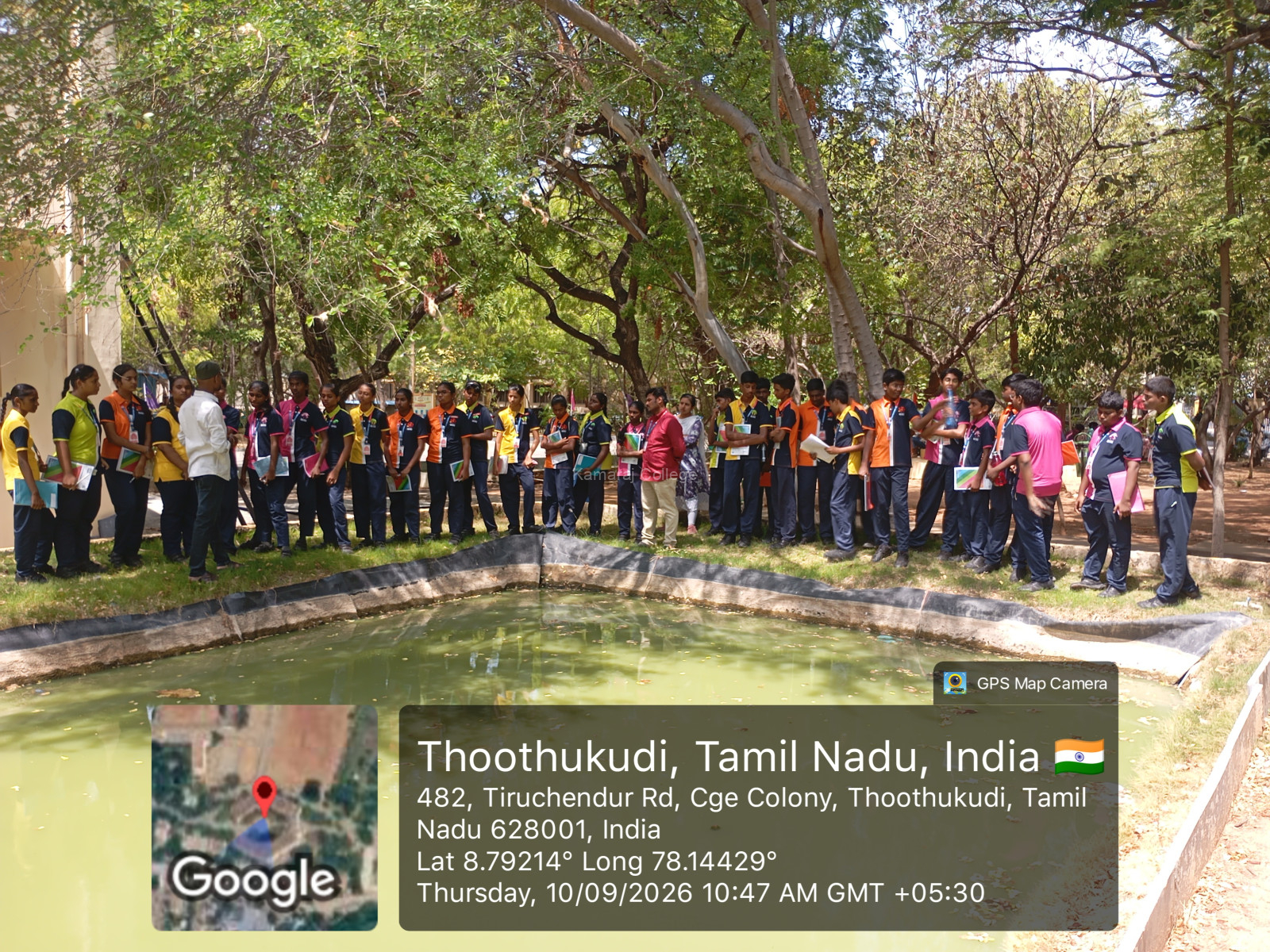
The school students also visited the fish culture ponds.
The visit provided practical context to the concepts discussed during the aquaculture session.
Students were able to relate the information about fish culture and productivity to an actual culture environment.
Such direct exposure helps students understand scientific practices more effectively than classroom explanation alone.
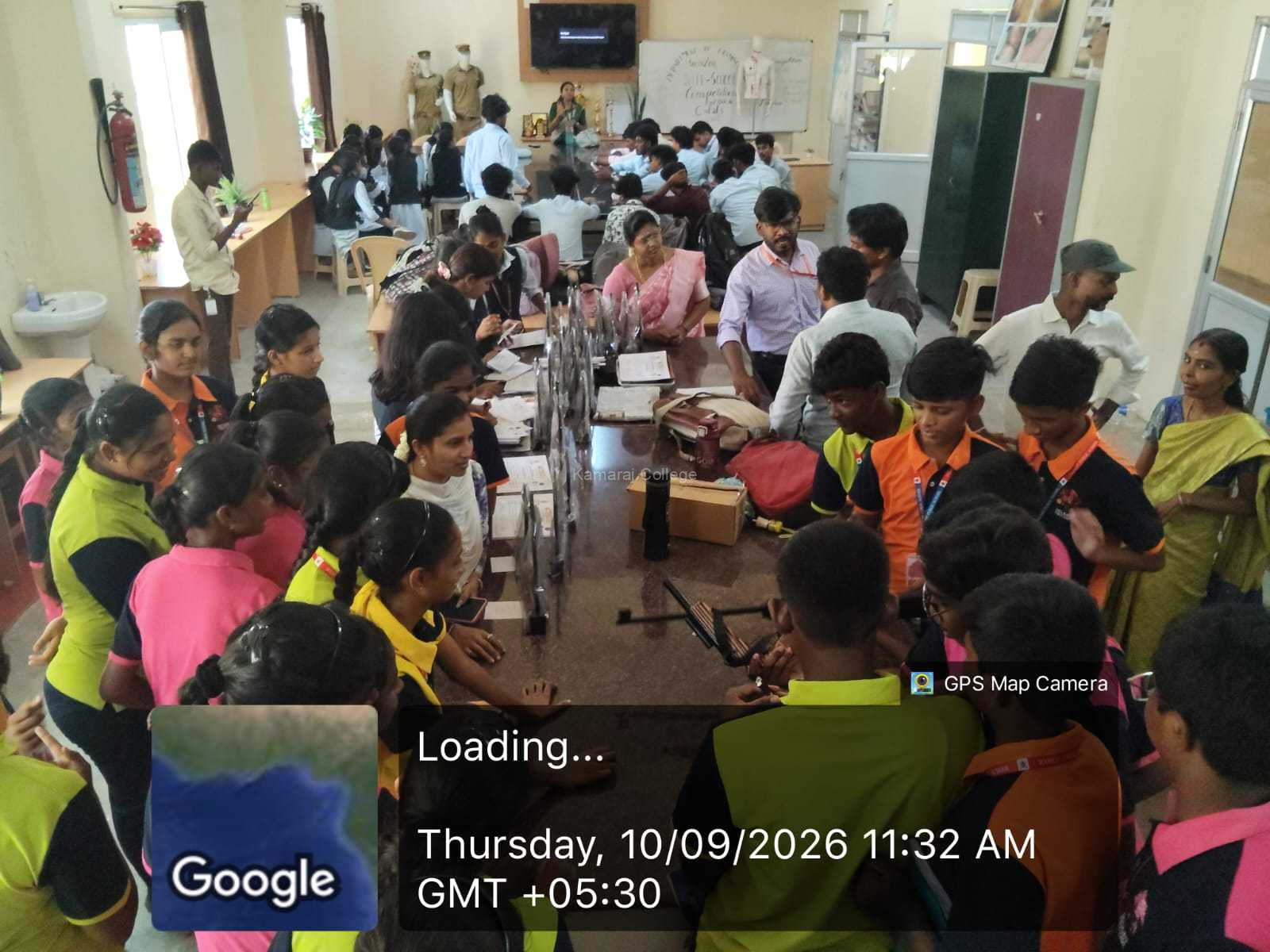
Exposure to Forensic Science and Criminology
The educational visit also introduced students to Forensic Science and Criminology.
This exposure helped broaden their understanding of the different directions available within science-based education.
Forensic science demonstrates how scientific methods can be applied to investigation and analysis.
The exposure encouraged students to recognise the diverse academic and career possibilities associated with science.
Microbiology Laboratory Exposure
The students were given exposure to the Microbiology Laboratory.
This provided them with an introduction to another important branch of biological science.
The laboratory exposure helped students understand that the study of living organisms extends from visible animals and plants to microorganisms that require specialised scientific methods and equipment for investigation.
Tissue Culture Laboratory
The students also gained exposure to the Tissue Culture Laboratory.
The visit introduced them to a specialised area of biological science and demonstrated how scientific work is carried out in a laboratory environment.
Such exposure can help school students develop curiosity about biotechnology, biological research and higher studies in life sciences.
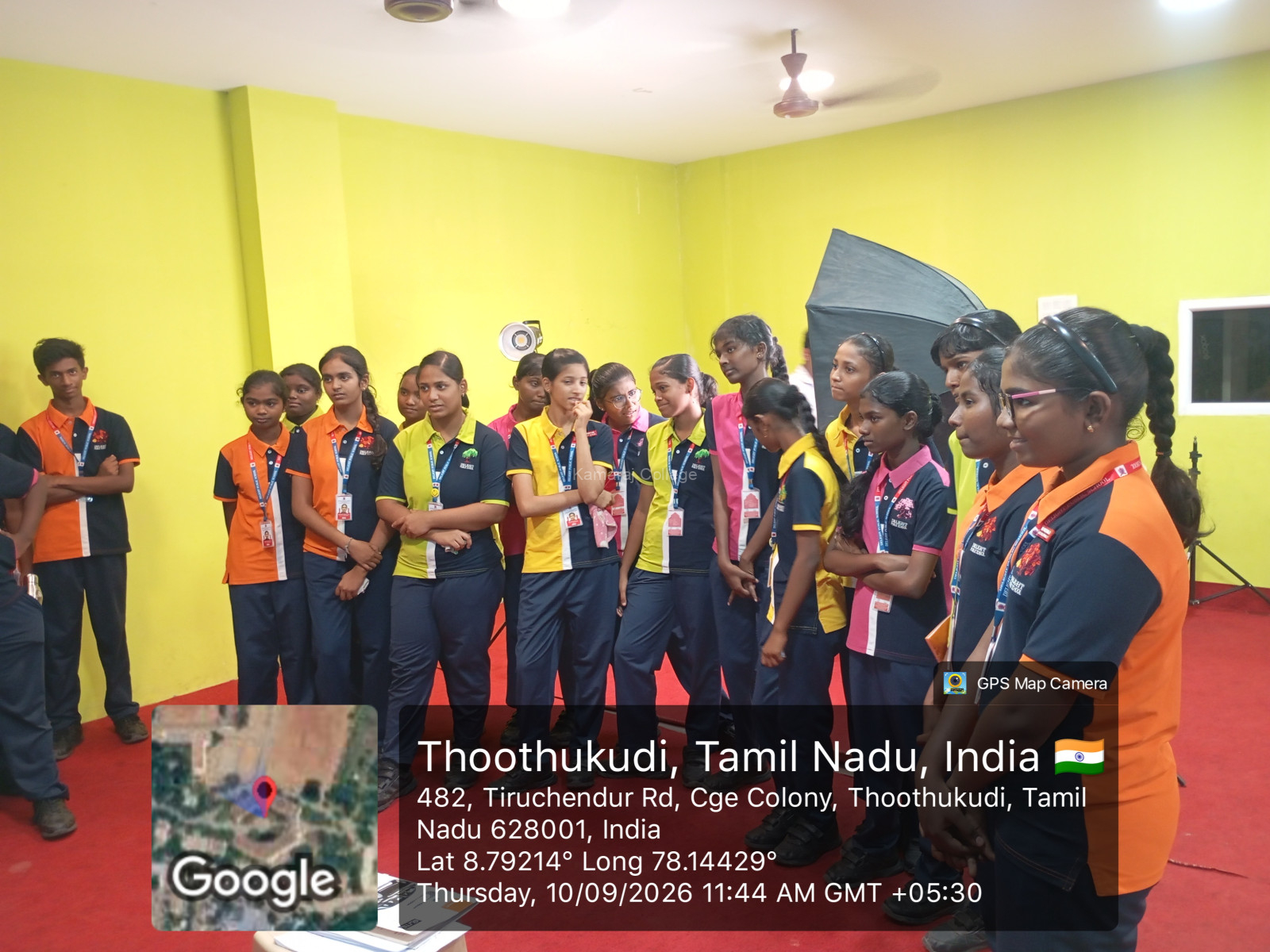
Exposure to Visual Communication
The field trip also included exposure to Visual Communication, adding another dimension to the educational experience.
The students were thus able to explore a range of academic facilities and understand the diversity of learning opportunities available in higher education.
The visit encouraged them to look beyond individual school subjects and appreciate the wider range of academic disciplines available at the college level.
Encouragement by the Principal
Dr. K. Bhanumathi, Principal, Kamaraj College (Autonomous), Thoothukudi, encouraged the school students to make effective use of the educational programme.
Her interaction motivated the students to benefit from the opportunities provided during the visit and develop greater interest in learning.
The encouragement added significance to the programme and reinforced its objective of inspiring young students towards higher education.
Encouraging Students to Choose Science
A central objective of the programme was to encourage school students to consider science streams after completing their school education.
The field trip introduced them to multiple areas including:
- Zoology
- Aquaculture
- Fisheries Science
- Microbiology
- Tissue Culture
- Forensic Science and Criminology
- Museum Science
- Visual Communication
This multidisciplinary exposure helped students understand the diversity of educational pathways available after school.
Learning Beyond the Classroom
The Science Exploration programme demonstrated the value of experiential learning.
Instead of learning only through textbooks, students had opportunities to observe museum collections, fish culture facilities and laboratory environments.
Such experiences can stimulate curiosity and encourage students to ask questions, explore scientific concepts and develop greater interest in higher education.
The programme therefore complemented school education with practical exposure to a college academic environment.
Programme Coordination
The educational field trip was coordinated by Dr. J. Nagarajan, Assistant Professor of Zoology.
Dr. Nasarath Nisha and others also participated in the programme and contributed to the educational visit.
The involvement of faculty members helped students gain meaningful exposure to the scientific facilities and academic opportunities available at Kamaraj College.
Programme Highlights
- Programme: School Students Educational Field Trip and Science Exploration
- Date: 10 September 2026
- Institution: Kamaraj College (Autonomous), Thoothukudi
- Organised by: PG and Research Department of Zoology
- Visiting Institution: Delight Public School (Senior Secondary), Thoothukudi
- Visitors: More than 37
- Principal: Dr. K. Bhanumathi
- Programme Coordinator: Dr. J. Nagarajan, Assistant Professor of Zoology
- Faculty Participation: Dr. Nasarath Nisha and others
- Major Focus: Science Exploration and Higher Education Awareness
- Aquaculture Topics: Modern Aquaculture, Pearl Culture, Finfish and Shellfish Biology
- Facilities Explored: Zoology Museum, Fish Culture Ponds, Microbiology Laboratory and Tissue Culture Laboratory
- Other Exposure: Forensic Science and Criminology and Visual Communication
- Career Awareness: Importance of Science Streams and Seafood Sector
Programme Outcomes
Through the Science Exploration educational field trip, the school students:
- Gained practical exposure to aquaculture techniques
- Learned about modern technologies used in fish culture
- Developed awareness about pearl culture
- Learned about finfish and shellfish biology
- Understood the economic importance of seafood exports
- Explored biological specimens in the Zoology Museum
- Observed fish culture facilities
- Gained exposure to Microbiology and Tissue Culture laboratories
- Were introduced to Forensic Science and Criminology
- Gained exposure to Visual Communication
- Developed greater curiosity about science and scientific research
- Learned about different higher education opportunities
- Were encouraged to consider science streams after school education
Overall, the programme provided the students with a valuable combination of scientific knowledge, practical exposure, higher education awareness and career motivation.
Conclusion
The Science Exploration Educational Field Trip organised by the PG and Research Department of Zoology, Kamaraj College (Autonomous), Thoothukudi, for students of Delight Public School (Senior Secondary), Thoothukudi, on 10 September 2026 was an informative and engaging learning experience.
More than 37 visitors gained exposure to aquaculture, fisheries science, museum science and various laboratory facilities. Dr. J. Nagarajan, Assistant Professor of Zoology, explained modern aquaculture technologies, pearl culture, finfish and shellfish biology and the role of seafood exports in the Indian economy.
The students explored the Zoology Museum, fish culture ponds, Microbiology Laboratory and Tissue Culture Laboratory and were also introduced to Forensic Science and Criminology and Visual Communication.
Dr. K. Bhanumathi, Principal, encouraged the students to make effective use of the educational opportunity. The programme was coordinated by Dr. J. Nagarajan, with the participation of Dr. Nasarath Nisha and others.
The programme successfully fulfilled its primary objective of creating enthusiasm for science and encouraging school students to consider science streams and science-related higher education opportunities after completing their school education.
Internal Link
- Explore Kamaraj College – Learn more about educational outreach, science activities and student development programmes at Kamaraj College.
External Links
- ICAR – Central Marine Fisheries Research Institute – Explore research and educational information related to marine fisheries and aquaculture.
- Marine Products Export Development Authority – Learn more about India’s marine products, aquaculture and seafood export sector.