
7 Inspiring Sapling Plantation Highlights at Kamaraj College
Introduction to the Sapling Plantation Programme
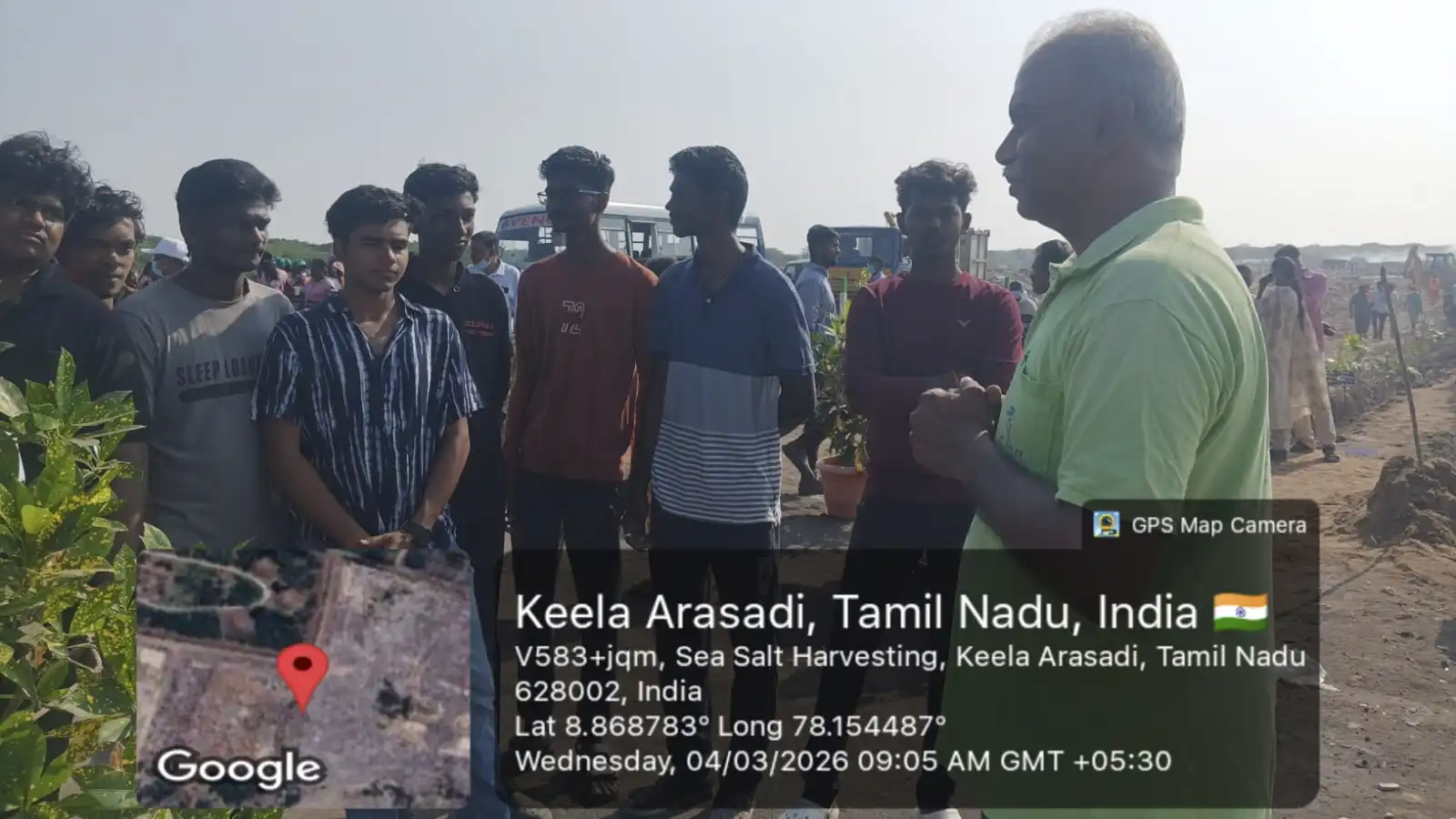
The Sapling Plantation programme was organized on 04 March 2026 from 8.00 a.m. to 12.00 p.m. at the Thoothukudi Corporation Garbage Dump Yard, Tharuvaikulam. The initiative was conducted by the Thoothukudi City Municipal Corporation in association with We Can Trust as part of the celebrations marking the 73rd birthday of the Honorable Chief Minister of Tamil Nadu, Mr. M. K. Stalin.
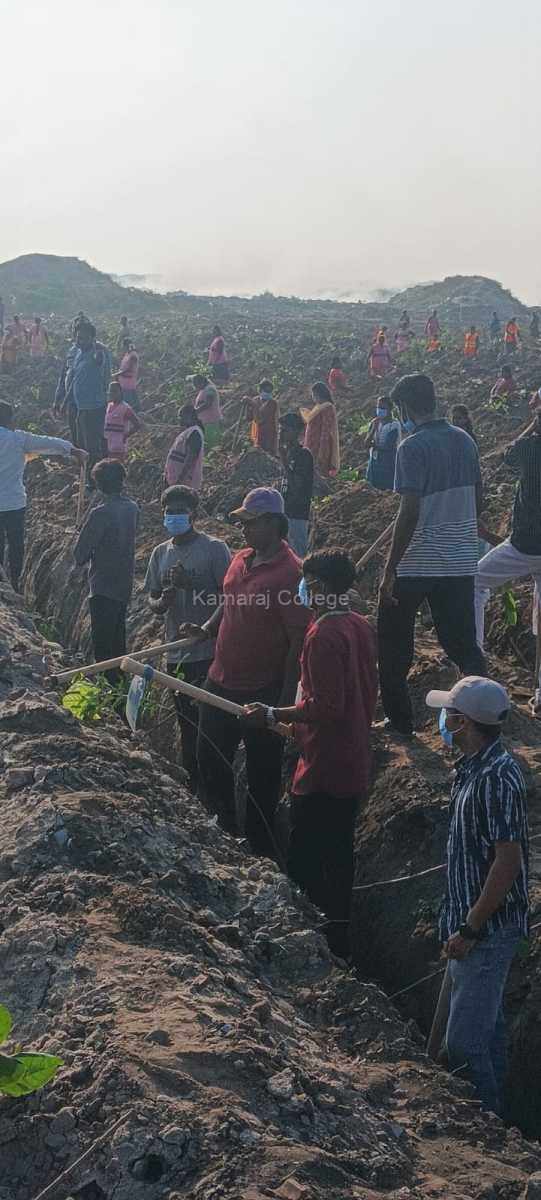
The large-scale Sapling Plantation initiative aimed to increase green cover and promote environmental awareness among citizens and students. Educational institutions were encouraged to participate in the programme to highlight the importance of community involvement in environmental protection.
Students from Kamaraj College (Autonomous), Thoothukudi actively participated in this meaningful environmental activity through the National Service Scheme (NSS).
Objectives of the Sapling Plantation Programme
The Sapling Plantation drive was organized with several important environmental objectives. Tree plantation programmes are one of the most effective ways to improve ecological balance and reduce environmental pollution.
The main objectives of the programme included:
- Increasing green cover in urban areas.
- Promoting environmental sustainability.
- Encouraging community participation in tree plantation.
- Creating awareness about climate change and environmental protection.
- Motivating students to actively participate in eco-friendly initiatives.
Therefore, the programme served as an important step toward building a cleaner and greener environment.
Sapling Plantation Drive by NSS Volunteers
One of the most remarkable aspects of the programme was the active participation of students from NSS Unit 218 of Kamaraj College.
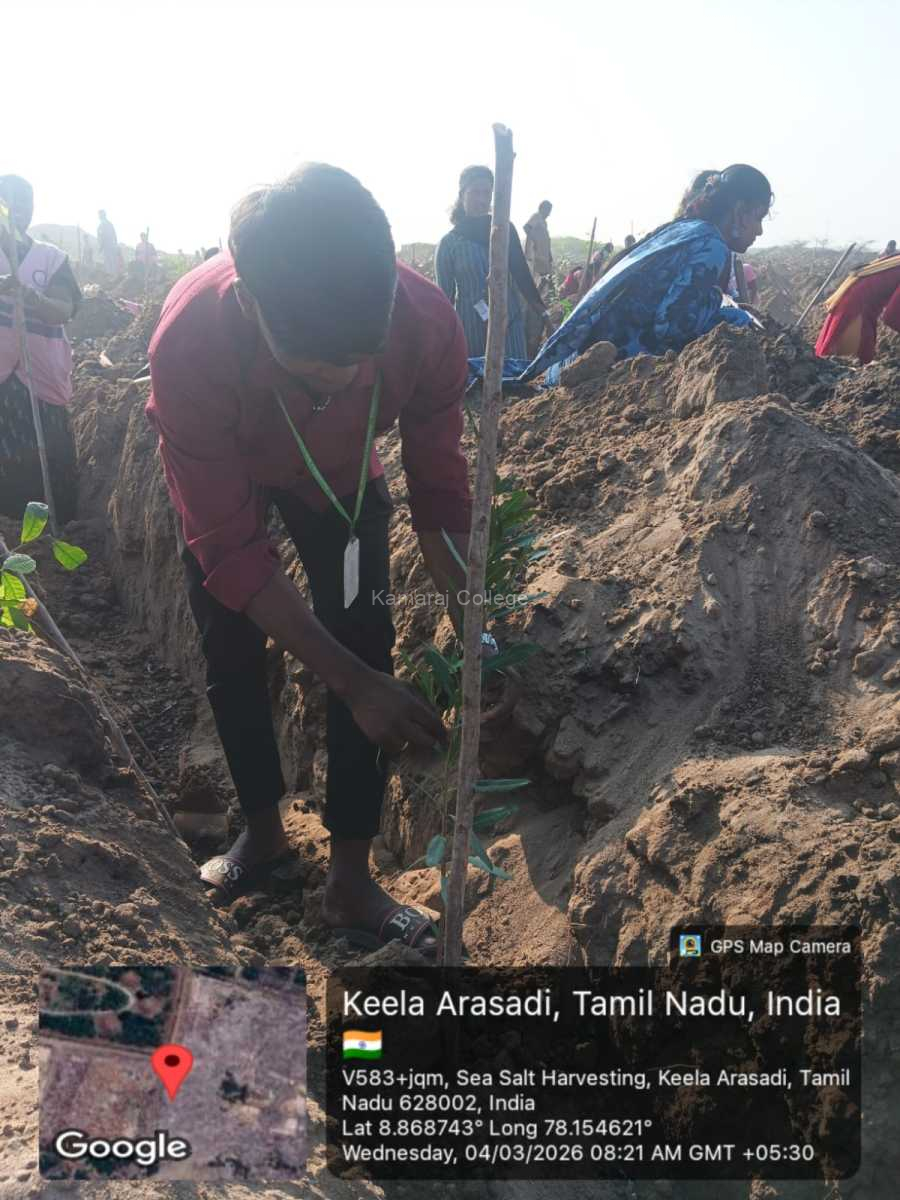
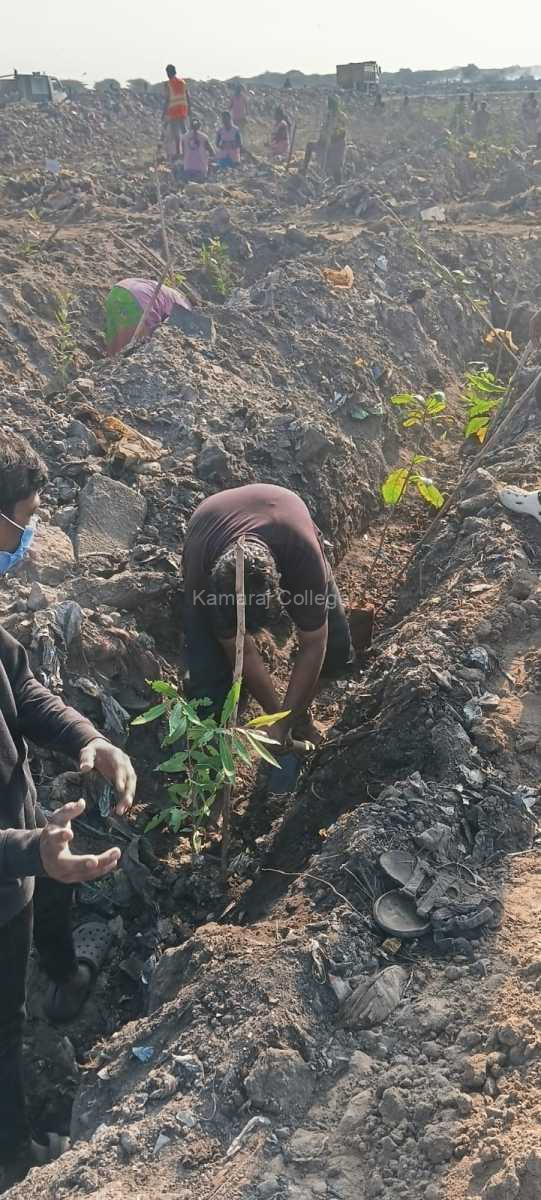
A total of 20 NSS volunteers took part in the Sapling Plantation drive with great enthusiasm. During the programme, the volunteers successfully planted around 1,000 saplings as part of the larger plantation target of 7,300 saplings planned for the area.
The volunteers worked collectively to prepare the planting sites, place the saplings carefully, and ensure that the plants were properly secured in the soil. Their teamwork and dedication contributed significantly to the success of the plantation programme.
Moreover, the students demonstrated a strong sense of environmental responsibility and community service through their participation.
Environmental Importance of Sapling Plantation
The Sapling Plantation programme highlighted the crucial role of tree planting in protecting the environment. Trees are essential for maintaining ecological balance and supporting life on Earth.
Planting trees offers numerous environmental benefits such as:
- Improving air quality.
- Reducing carbon dioxide levels.
- Supporting biodiversity.
- Preventing soil erosion.
- Enhancing urban green spaces.
Additionally, large-scale plantation drives contribute to climate change mitigation and environmental restoration. According to the United Nations Sustainable Development Goals, protecting natural ecosystems and promoting sustainable practices are essential for achieving global sustainability targets.
Similarly, organizations such as the United Nations Environment Programme emphasize the importance of tree plantation and environmental conservation initiatives across the world.
Therefore, community-driven activities like this plantation programme are vital for protecting the environment.
Role of Kamaraj College in Environmental Activities
Kamaraj College (Autonomous) regularly encourages students to participate in social and environmental initiatives through the National Service Scheme.
The NSS unit of the college conducts various community-oriented programmes such as:
- Tree plantation drives
- Environmental awareness campaigns
- Cleanliness initiatives
- Health and sanitation programmes
- Community development activities
Through such programmes, students gain practical experience in social responsibility and environmental stewardship.
Furthermore, these initiatives help students develop leadership qualities, teamwork, and civic responsibility.
Environmental Awareness Through Student Participation
Participation in environmental programmes such as the Sapling Plantation drive allows students to understand the real impact of their contribution to society.
By actively planting and nurturing trees, students develop a deeper connection with nature. They also become more aware of the importance of protecting natural resources for future generations.
In addition, environmental activities encourage students to think about sustainable solutions for ecological challenges. Such initiatives help create responsible citizens who are committed to protecting the environment.
Therefore, the enthusiastic participation of NSS volunteers reflects the growing environmental awareness among young students.
Frequently Asked Questions
- Why is Sapling Plantation important? Sapling Plantation improves air quality, increases green cover, and supports environmental sustainability.
- Who organized the Sapling Plantation programme? The programme was organized by Thoothukudi City Municipal Corporation in association with We Can Trust.
- How many saplings were planted by Kamaraj College students? NSS volunteers from Kamaraj College planted approximately 1,000 saplings during the programme.
Conclusion
The Sapling Plantation programme conducted on 04 March 2026 at Tharuvaikulam was a meaningful initiative aimed at promoting environmental sustainability and community participation.
The active involvement of 20 NSS volunteers from Kamaraj College played a crucial role in the successful plantation of 1,000 saplings. Their dedication and teamwork demonstrated the importance of student participation in environmental activities.
Such initiatives not only enhance environmental awareness but also inspire students to take responsibility for protecting nature. Through programmes like the Sapling Plantation drive, Kamaraj College continues to contribute to building a greener and more sustainable future.