
Panchayat Development Meeting: 5 Powerful Village Initiatives


Report on Village Panchayat Development Plan Meeting
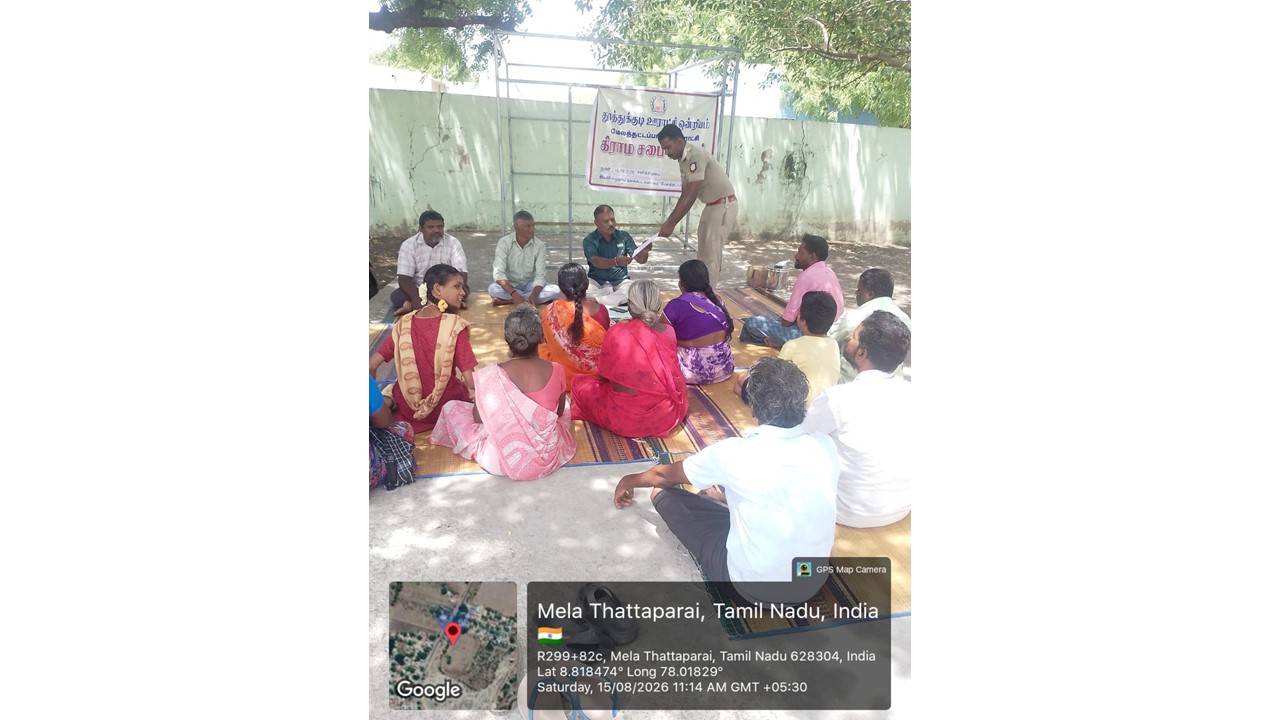
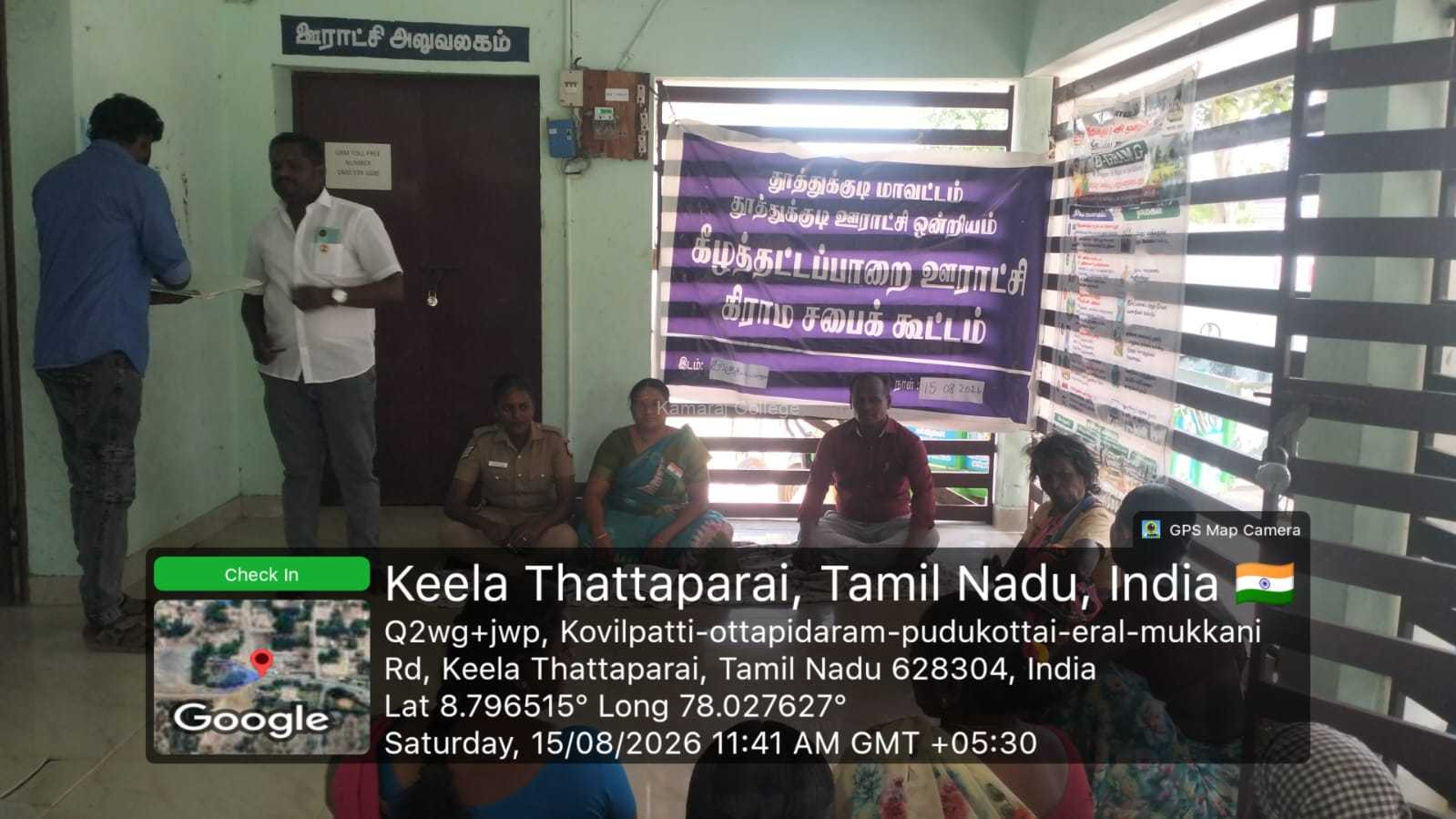
Panchayat Development Meeting activities were undertaken by NSS Units 54 and 56 of Kamaraj College (Autonomous), Thoothukudi, in five selected Village Panchayats on 15 August 2026. The Programme Officers and NSS student volunteers participated in the Grama Sabha meetings held on the occasion of Independence Day.
The participation formed part of the Memorandum of Understanding between NSS Units 54 and 56 of Kamaraj College and the State Institute of Rural Development (SIRD). Through this initiative, students gained direct exposure to village administration, government schemes and community development needs.
Objectives of the Panchayat Development Meeting
The Panchayat Development Meeting aimed to connect NSS volunteers with rural communities and help them understand the functioning of local governance.
The key objectives included:
- Participate in Grama Sabha meetings in five selected villages
- Understand the functioning of Village Panchayats
- Learn about Panchayat income and expenditure
- Create awareness about government welfare schemes
- Identify the basic needs of village residents
- Encourage community participation in local development
- Explore suitable measures for improving village facilities
Thus, the initiative connected NSS activities with grassroots-level rural development.
Participation in Five Village Panchayats
Programme Officers and student volunteers from NSS Units 54 and 56 participated in Grama Sabha meetings across the five selected Village Panchayats.
Their participation provided an opportunity to observe how local residents, Panchayat representatives and officials discuss development priorities. Moreover, the students gained practical knowledge about democratic participation at the village level.
The meetings also helped the volunteers understand how communities identify local needs and discuss possible solutions.
Understanding Panchayat Income and Expenditure
During the Panchayat Development Meeting, the Village Panchayat Secretary explained the Panchayat’s income and expenditure accounts to the residents.
The discussion provided information about the financial resources available to the Panchayat and how funds support various development activities.
Furthermore, the explanation helped participants understand the importance of transparency and public participation in local administration.
Awareness About the 100 Days Employment Scheme
The Village Panchayat Secretary also provided information about the 100 Days Employment Scheme and its implementation at the village level.
Residents gained awareness about the functioning of the employment programme and its role in supporting rural households. In addition, the discussion helped NSS volunteers understand how government employment initiatives contribute to rural development.
The session therefore connected government policy with its practical implementation in village communities.
Basic Amenities, Government Funds and Grants
Another important part of the meeting focused on expenditure related to basic amenities.
The Village Panchayat Secretary explained how government funds and grants support local development. The discussion covered the use of available financial resources for improving essential facilities required by residents.
Moreover, the meeting allowed villagers to understand how public funds contribute to local infrastructure and community welfare.
Awareness About Government Welfare Schemes
The functioning of various government welfare schemes available to the public was also explained during the meeting.
This information helped residents understand the support available through different government initiatives. At the same time, the NSS volunteers gained greater awareness of how welfare programmes reach rural communities.
Therefore, the Panchayat Development Meeting served both as a development discussion and as an important public awareness platform.
NSS Interaction with Village Residents
The Programme Officers and NSS student volunteers interacted directly with the villagers to understand their basic needs and requirements.
The students listened to the views of residents and learned about the practical challenges faced by rural communities. Furthermore, the interaction allowed villagers to communicate their priorities and expectations.
Such direct engagement helped the students understand that effective community development begins by listening to the people and identifying their actual needs.
Discussing Measures for Village Development
Based on the needs identified during the discussions, the NSS team offered suggestions and explored possible measures for improving facilities in the selected villages.
The discussions encouraged cooperation between the village community, local administration and student volunteers. Moreover, they highlighted the importance of collective participation in finding practical solutions to local issues.
Through this process, students gained valuable experience in community engagement, problem identification and participatory development.
Learning Through Community Participation
Participation in the Grama Sabha meetings provided meaningful experiential learning for the NSS volunteers.
Through the Panchayat Development Meeting, students gained practical understanding of:
- Village-level administration
- Grama Sabha participation
- Government welfare schemes
- Rural employment initiatives
- Public funds and grants
- Community needs assessment
- Participatory rural development
As a result, the programme extended student learning beyond the classroom and connected them directly with rural communities.
Kamaraj College and SIRD Collaboration
The initiative formed an important part of the collaboration between Kamaraj College and the State Institute of Rural Development.
Through the MoU, NSS Programme Officers and students have opportunities to engage directly with village communities and contribute to rural development initiatives.
Furthermore, such collaboration helps students develop social responsibility while allowing educational institutions to support community-oriented programmes.
Programme Outcomes
The participation of NSS Units 54 and 56 in the five Grama Sabha meetings produced several valuable outcomes.
The initiative helped students to:
- Understand the role of Grama Sabha in local governance
- Learn about Panchayat income and expenditure
- Gain awareness of rural employment programmes
- Understand government funds, grants and welfare schemes
- Interact directly with village residents
- Identify basic community needs
- Explore possible solutions for village development
Consequently, the programme strengthened both student learning and community engagement.
Conclusion
Overall, the Panchayat Development Meeting initiative provided valuable exposure to the Programme Officers and student volunteers of NSS Units 54 and 56.
Their participation in the Grama Sabha meetings across five selected Village Panchayats helped them understand local governance, Panchayat finances, government welfare programmes and the basic needs of rural communities.
Moreover, the interaction with residents encouraged students to approach rural development through participation, cooperation and practical problem-solving.
The programme successfully strengthened the collaboration between Kamaraj College (Autonomous), Thoothukudi, SIRD and the village communities while encouraging NSS volunteers to contribute meaningfully towards sustainable rural development.
Internal Links
External Links
- Rural Development and Panchayat Raj Department, Tamil Nadu – Explore information on rural development, Village Panchayats and government programmes in Tamil Nadu.
- Ministry of Panchayati Raj – Learn more about Panchayati Raj institutions, Grama Sabha participation and local governance in India.