
National Level Workshop: 10 Powerful Insights on Research Made Simple
Introduction to the Programme
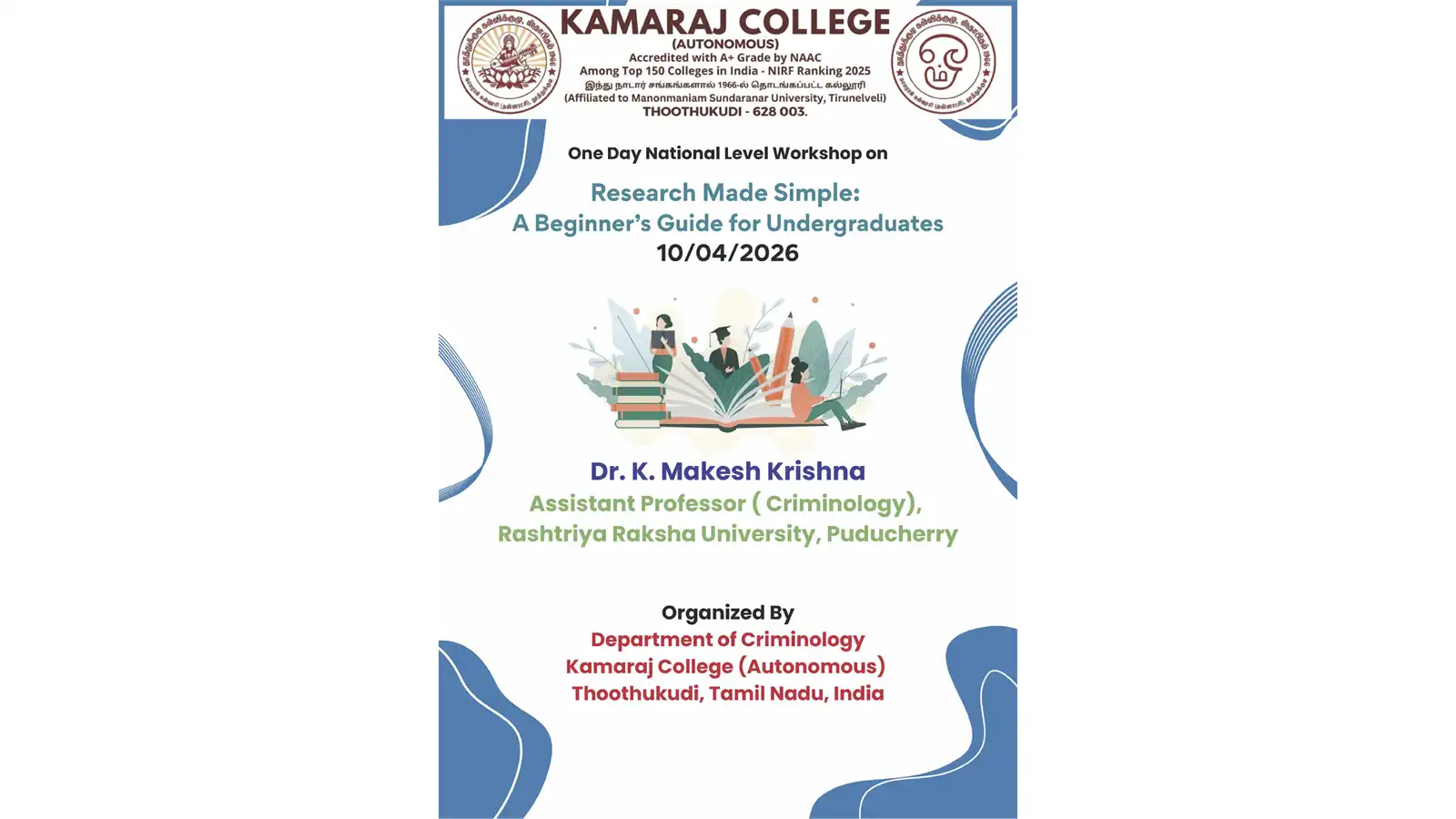
The National Level Workshop on the theme “Research Made Simple: A Beginner’s Guide for Undergraduates” was organized by the Department of Criminology on 10 April 2026 from 01.00 p.m. to 02.30 p.m. at the Golden Jubilee Block of Kamaraj College (Autonomous), Thoothukudi.
The National Level Workshop aimed to introduce undergraduate students to the fundamentals of research and to simplify complex research concepts. The programme provided a strong foundation for students who are new to research methodologies.
The session was highly informative and focused on practical learning, making the Workshop beneficial for all participants.
Objectives of the Workshop
The National Level Workshop was conducted with the objective of enhancing students’ understanding of research processes.
The objectives included:
- Introducing basic research concepts
- Developing analytical and critical thinking skills
- Providing hands-on exposure to research tools
- Encouraging interest in academic research
- Clarifying research ethics and field challenges
Through this Workshop, students gained clarity on how to approach research systematically.
Resource Person and Expertise
The Workshop featured Dr. K. Makesh Krishna, Assistant Professor of Criminology at Rashtriya Raksha University (RRU), Puducherry, as the Resource Person.
He brought extensive academic experience and practical insights into the session. His expertise made the Workshop engaging and easy to understand for students.
Inaugural Session
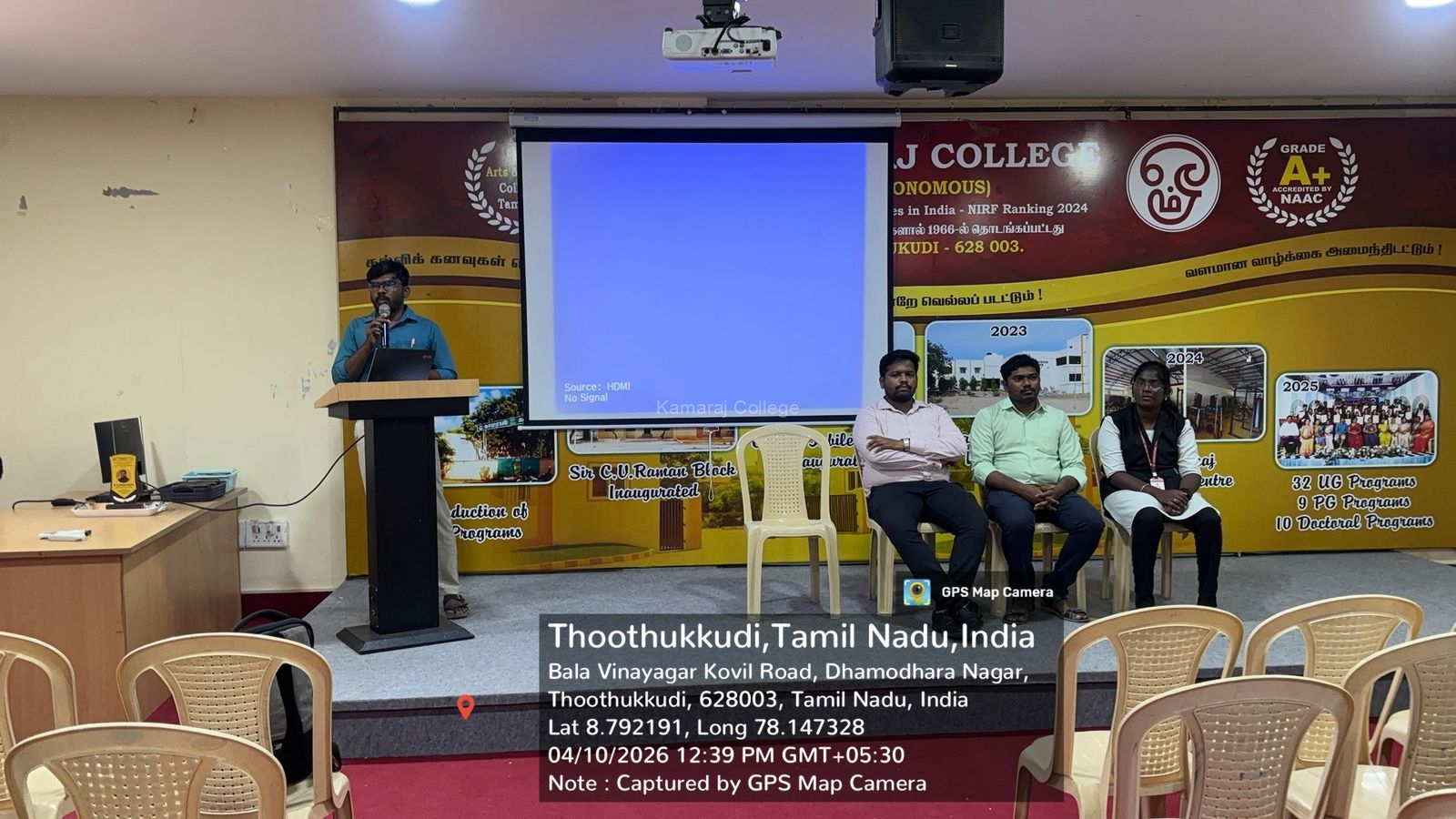
The National Level Workshop commenced with a welcome address delivered by Ms. Sharon Selvaramola Maragatha M, II B.A. Criminology and Police Administration.
The programme was efficiently anchored by Dr. K. Roshan Goldwin, who ensured smooth coordination throughout the Workshop.
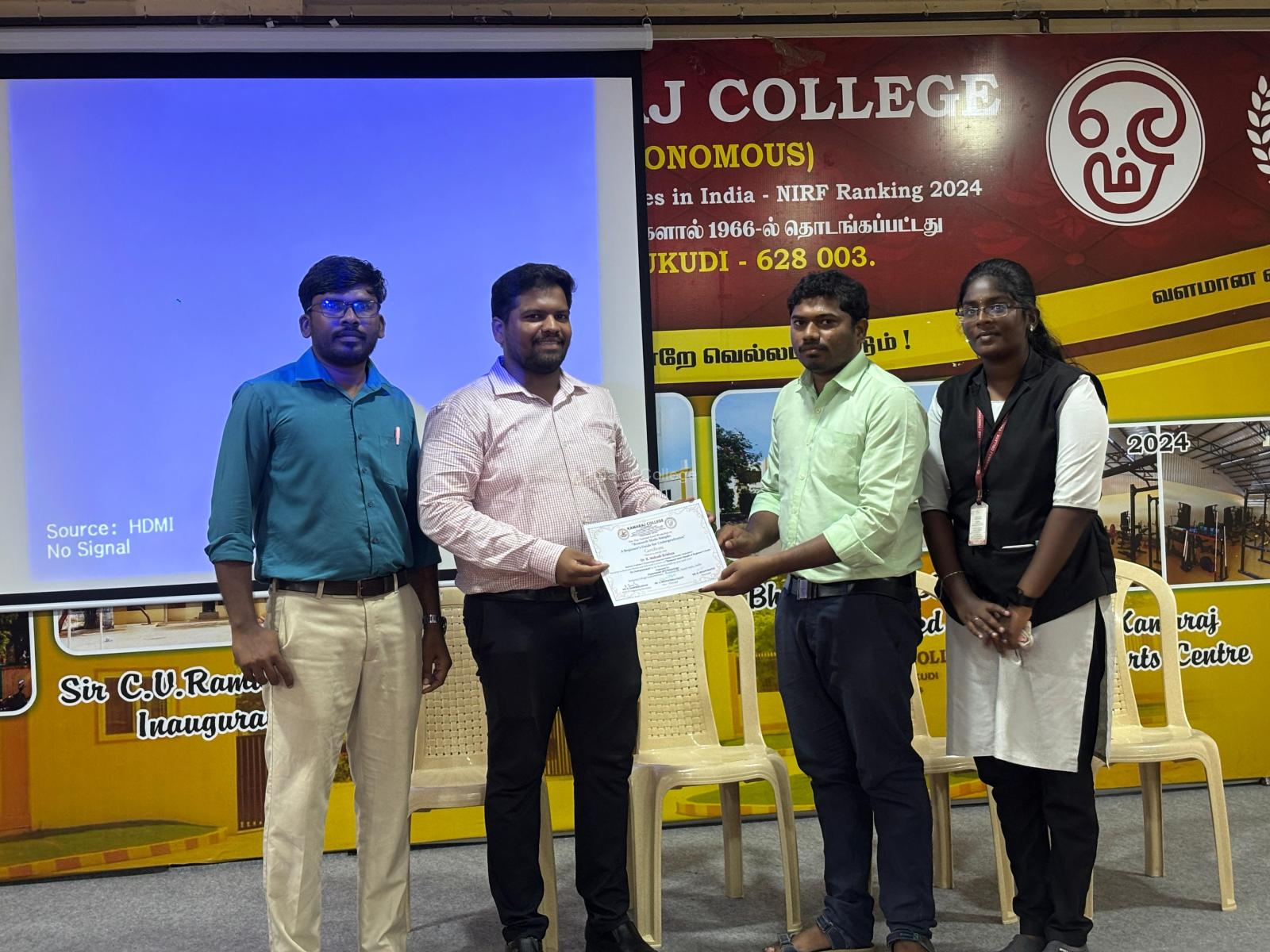
The dignitaries formally honoured the resource person with a shield and certificate, marking a respectful beginning to the event.
Key Topics Covered
The National Level Workshop covered essential topics related to research methodology.
The key areas discussed included:
- Fundamentals of research methods
- Applications of research in society
- Role of social science research in crime reduction
- Research ethics and integrity
- Challenges in fieldwork and data collection
These topics helped students understand the practical importance of research.
SPSS Demonstration and Practical Learning
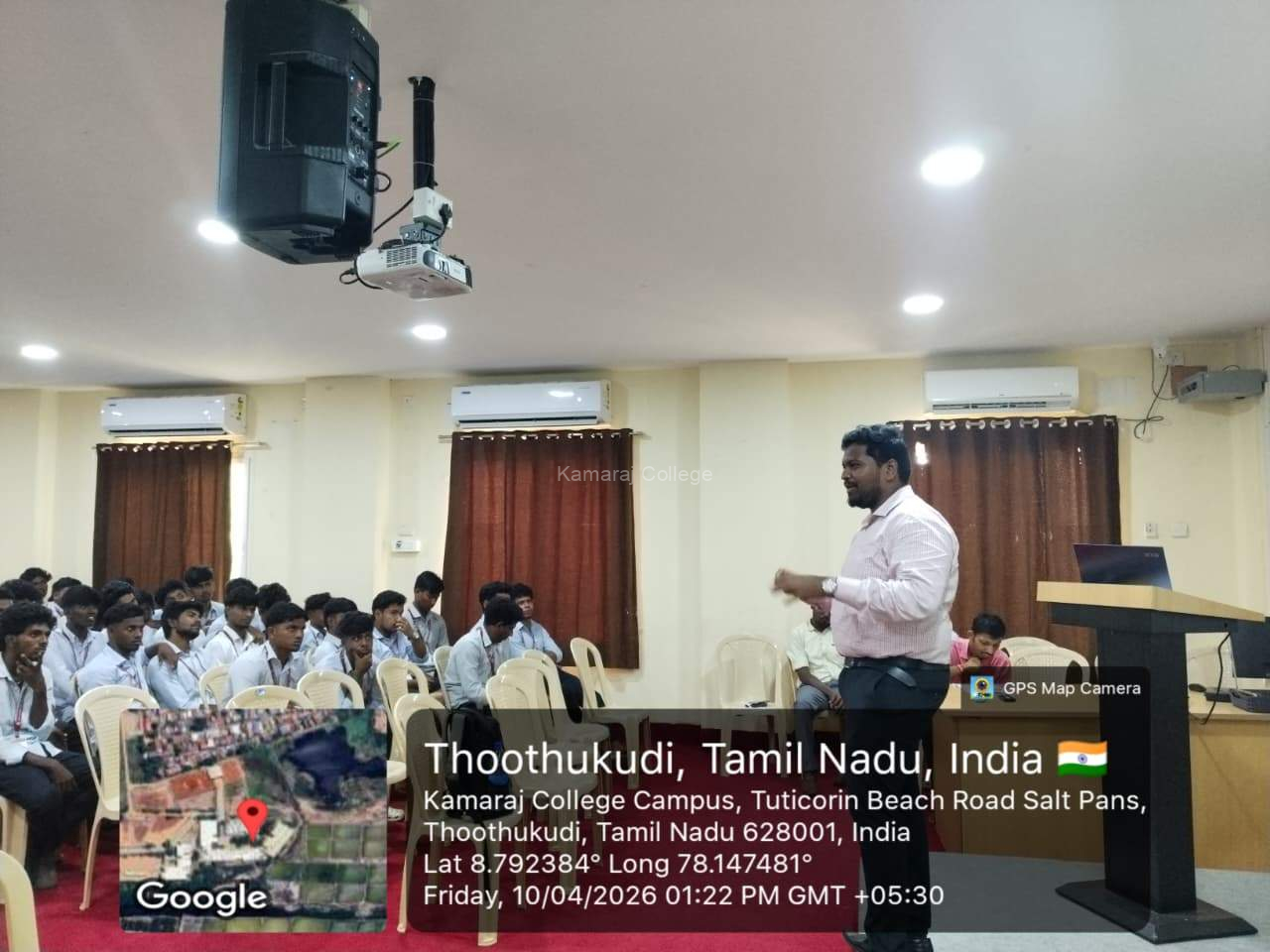
A major highlight of the National Level Workshop was the live demonstration of SPSS software.
The resource person explained how SPSS can be used for data analysis and interpretation. This practical exposure enhanced the learning experience of students during theWorkshop.
Students found the demonstration extremely useful, as it bridged the gap between theory and practice.
Interactive Session and Doubt Clarification
The National Level Workshop included an interactive session where students actively participated and clarified their doubts.
The resource person addressed queries related to:
- Research design and methodology
- Ethical considerations in research
- Fieldwork challenges
- Data collection techniques
This interaction made the Workshop more engaging and effective.
Role of the Institution
Kamaraj College (Autonomous) continues to promote academic excellence through programmes like the National Level Workshop.
The institution encourages:
- Research-oriented learning
- Skill development initiatives
- Student participation in academic events
- Exposure to advanced tools and techniques
Such initiatives strengthen the academic environment and benefit students.
Importance of Research Education
The National Level Workshop highlighted the importance of research education in modern society.
Research helps students to:
- Develop analytical thinking
- Understand real-world problems
- Find evidence-based solutions
- Contribute to academic and social development
For more information on research development, visit ICSSR.
Impact of the Workshop
The National Level Workshop had a significant impact on students.
The programme:
- Improved understanding of research methods
- Enhanced practical knowledge through SPSS
- Encouraged interest in academic research
- Boosted confidence in conducting research
Students expressed that the Workshop was highly useful and informative.
Conclusion
The National Level Workshop concluded with a vote of thanks delivered by Ms. Abisha Evanjalin S, II B.Sc. Criminology and Forensic Science.
She expressed gratitude to the resource person, faculty members, and organizing team. The programme ended successfully, leaving a positive impact on all participants.
Overall, the National Level Workshop was a valuable academic initiative that strengthened students’ research skills and knowledge.