

Microbiology Mentoring 2026: Valuable Guidance Benefits 156 Students
Report on Mentor-Mentee Meeting
Microbiology Mentoring was organised by the Postgraduate and Research Department of Microbiology, Kamaraj College (Autonomous), Thoothukudi, on 25 August 2026 to strengthen the supportive and collaborative relationship between faculty mentors and students.
The Mentor-Mentee Meeting aimed to create a platform where students could receive appropriate academic, personal and professional guidance from their faculty mentors.
A total of 156 students benefited from the programme.
The meeting enabled students to interact freely with their mentors, discuss their concerns and seek appropriate advice regarding academic progress and future career goals.
Furthermore, the programme helped strengthen communication between faculty members and students and created a friendly environment for continuous guidance and student development.
Objectives of the Mentor-Mentee Meeting
The Microbiology Mentoring programme was conducted with the objective of supporting students throughout their academic journey.
The major objectives were:
- Strengthen the relationship between mentors and mentees
- Provide appropriate academic guidance
- Support students in addressing academic concerns
- Provide personal and professional guidance
- Understand the individual needs of students
- Encourage students to communicate openly with faculty mentors
- Develop confidence among students
- Provide career-oriented guidance
- Support students in setting educational and professional goals
- Promote the overall development of students
Thus, the meeting provided students with an opportunity to receive personalised guidance within a supportive academic environment.
Importance of Mentoring
The meeting commenced with an introductory speech highlighting the importance of mentoring in students’ academic, personal and professional development.
Mentoring plays an important role in helping students understand their strengths, identify challenges and work towards their goals.
Faculty mentors can use their academic and professional experience to guide students through different stages of their college education.
Moreover, regular mentoring helps students feel more comfortable seeking assistance whenever they experience difficulties.
The introductory session therefore reinforced the importance of maintaining continuous communication between mentors and mentees.
Strengthening Mentor-Mentee Relationships
A major objective of the programme was to strengthen the relationship between faculty mentors and students.
A strong mentoring relationship is built on communication, trust and mutual understanding.
Students benefit when they know that they can approach a faculty mentor for guidance.
At the same time, regular interaction helps mentors better understand the individual academic and developmental needs of their students.
The meeting therefore provided an effective platform for building stronger and more meaningful mentor-mentee relationships.
Academic Guidance
Academic guidance formed an important part of the Microbiology Mentoring programme.
The mentors shared their knowledge and experience with the students and guided them on academic matters.
Students were encouraged to remain focused on their studies and seek clarification whenever they faced learning difficulties.
Furthermore, mentors helped students understand the importance of consistent academic effort and responsible learning habits.
Such guidance can help students identify areas requiring improvement and work towards better academic performance.
One-to-One Interaction
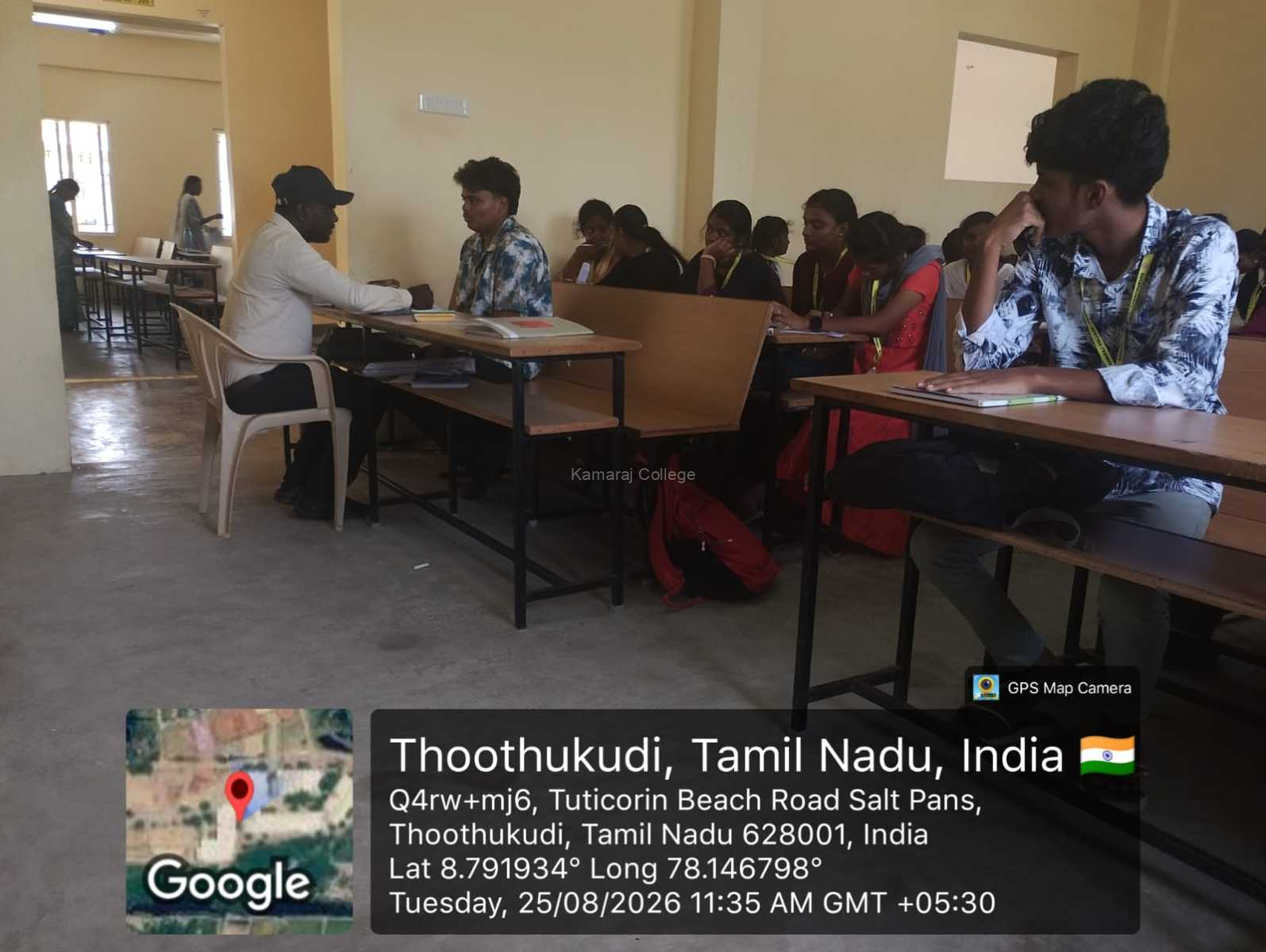
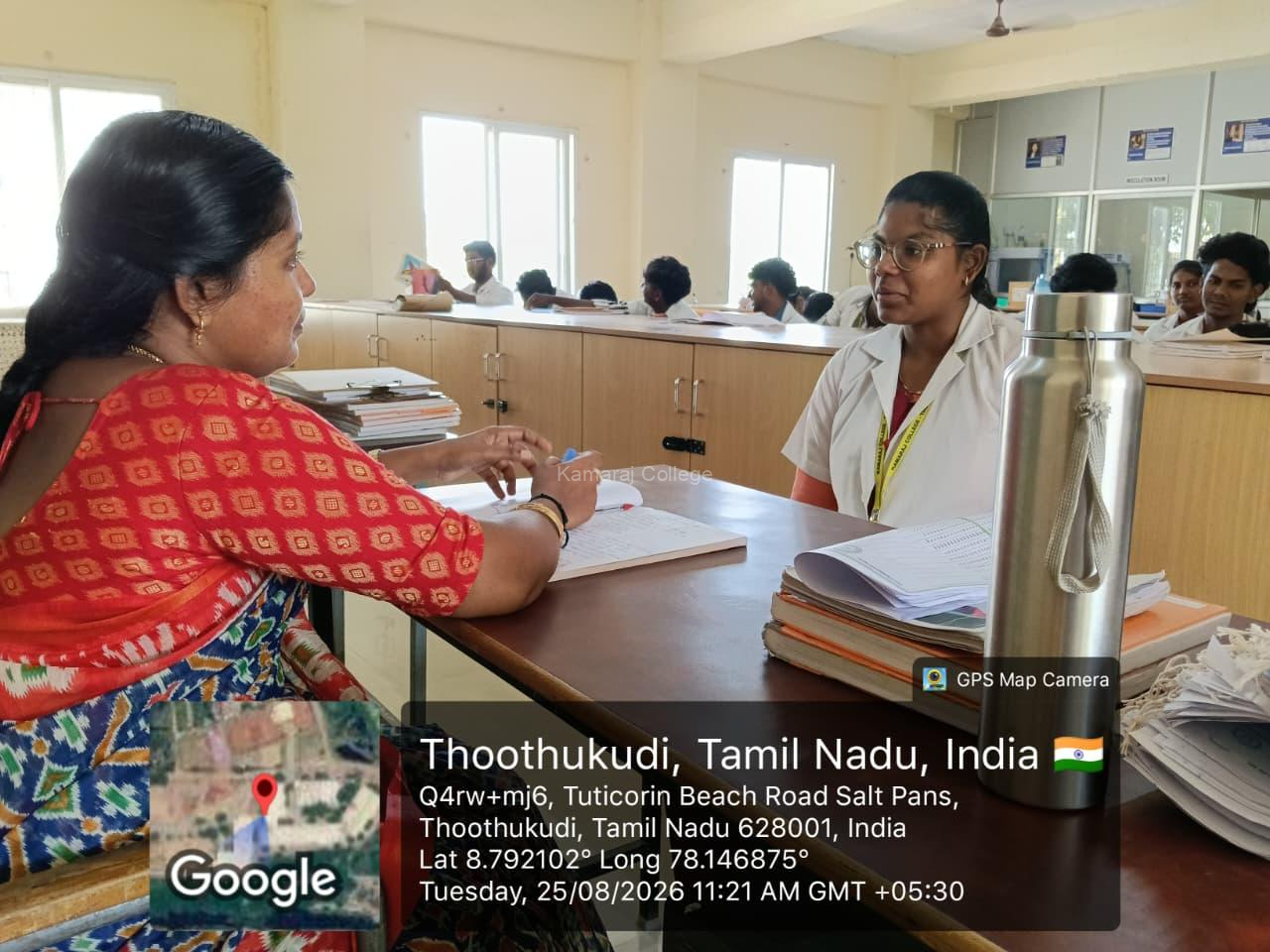
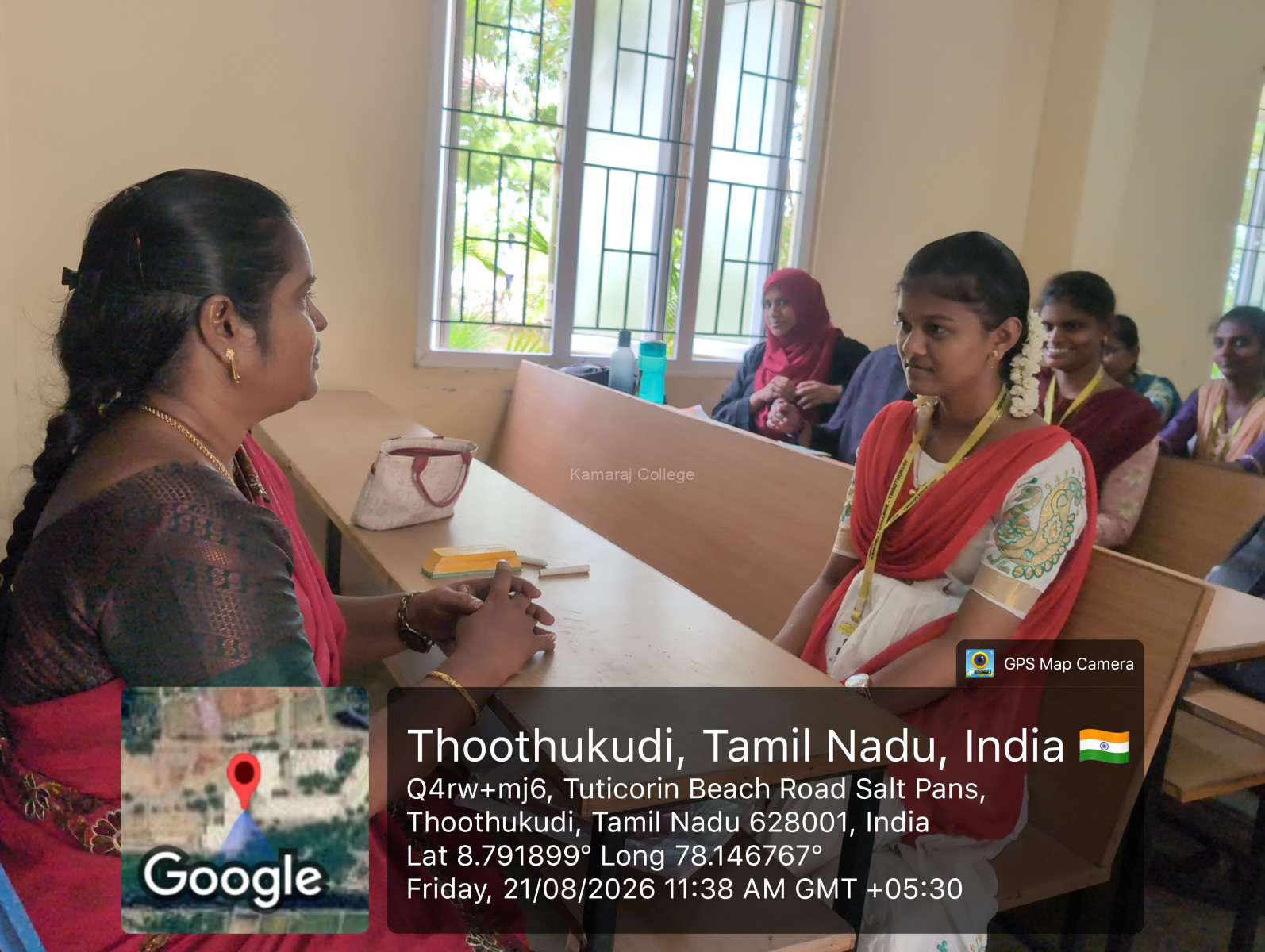
One of the significant features of the programme was the opportunity for one-to-one interaction between mentors and mentees.
Individual interaction provides students with greater freedom to discuss specific concerns and seek personalised guidance.
Every student may have different academic challenges, interests and career aspirations.
Therefore, individual mentoring enables faculty members to provide suggestions that are more relevant to each student’s needs.
The one-to-one interactions made the programme more student-centred and supportive.
Addressing Student Concerns
The meeting encouraged students to discuss their concerns openly with their mentors.
Students may experience difficulties related to academics, learning, confidence, career planning or other aspects of college life.
When such concerns are identified at an early stage, mentors can provide appropriate suggestions and guidance.
Moreover, students become more confident when they know that support is available within the Department.
The meeting therefore helped create a culture where seeking guidance is viewed as a positive part of student development.
Personal Guidance and Support
The mentoring programme recognised that student development extends beyond academic performance.
Students also need encouragement and guidance to develop confidence, responsibility and a positive attitude towards their goals.
Faculty mentors provided a supportive environment where mentees could communicate freely and seek appropriate suggestions.
Such personal guidance can help students approach challenges more calmly and make informed decisions.
Furthermore, supportive mentoring can contribute to students’ overall confidence and development.
Professional Development
The programme also focused on the professional development of students.
Microbiology offers opportunities in diverse areas, and students need appropriate guidance to understand their future possibilities.
Mentors can help students recognise the importance of developing both academic knowledge and professional competencies.
Therefore, students were encouraged to think about their future goals and begin preparing themselves accordingly.
The meeting connected their present academic efforts with their long-term professional development.
Career-Oriented Guidance
Career guidance was another important aspect of the mentoring interaction.
Students were encouraged to discuss their career interests and future aspirations with their mentors.
Early career awareness can help students make informed choices about higher education, employment and other professional pathways.
Mentors can also encourage students to identify the skills they need to develop for their preferred career options.
Thus, the programme helped students approach career planning with greater clarity and confidence.
Building Student Confidence
The meeting encouraged students to develop greater self-confidence.
Confidence is important for academic participation, communication and professional development.
Students who communicate regularly with their mentors can become more comfortable discussing their ideas and concerns.
Furthermore, constructive guidance can help them recognise their strengths and work on areas requiring improvement.
The mentoring process therefore supported the development of a positive and confident approach towards learning.
Encouraging Open Communication
Effective mentoring depends on open communication.
Students were encouraged to approach their mentors whenever they required academic or professional guidance.
Open communication helps prevent minor difficulties from becoming larger challenges.
It also enables mentors to understand the progress of students more effectively.
Therefore, the meeting strengthened communication between students and faculty members and promoted a collaborative learning environment.
Developing Academic Responsibility
The programme encouraged students to take greater responsibility for their own academic development.
Mentors can provide guidance and suggestions. However, students need to apply the guidance through consistent effort.
Therefore, mentees were encouraged to remain focused on their educational goals and actively work towards improvement.
This approach promotes independent learning and prepares students to manage greater responsibilities in their future academic and professional lives.
Guidance for Future Goals
Students were encouraged to think clearly about their educational and career goals.
Goal setting can help learners understand what they want to achieve and identify the steps required to reach their objectives.
Mentors can support this process by helping students assess their strengths, interests and areas for development.
Consequently, the meeting encouraged students to approach their future with greater purpose and direction.
Creating a Supportive Departmental Environment
The Mentor-Mentee Meeting created a friendly and supportive atmosphere within the Postgraduate and Research Department of Microbiology.
A positive academic environment encourages students to interact more freely with faculty members.
It also strengthens the sense of belonging among students.
Furthermore, regular interaction can improve cooperation between faculty and students and contribute to a healthier learning environment.
The programme therefore strengthened the supportive academic culture within the Department.
Connecting Academic and Professional Growth
The Microbiology Mentoring programme encouraged students to understand the connection between academic achievement and professional development.
Strong subject knowledge provides an important foundation. However, students also need communication, confidence, discipline and career awareness.
Mentoring helps students identify these broader requirements and begin developing them during their college education.
Therefore, the programme supported a more comprehensive approach to student development.
Benefits of Regular Mentoring
Regular mentoring can provide several benefits to students.
These include:
- Better communication with faculty members
- Timely academic guidance
- Personalised support
- Improved confidence
- Greater academic focus
- Career awareness
- Goal setting
- Professional development
- Improved decision-making
- Stronger mentor-mentee relationships
These benefits demonstrate the importance of maintaining regular mentoring activities within the Department.
Participation of 156 Students
A total of 156 students benefited from the Mentor-Mentee Meeting.
The participation provided a large number of students with an opportunity to interact with their respective mentors and receive guidance.
The involvement of students also reflected the relevance of mentoring as part of the academic support system.
Furthermore, the programme ensured that students had an appropriate platform to communicate their concerns and aspirations.
Key Areas of Interaction
The mentoring interaction focused on several important areas of student development:
- Academic Progress
- Learning Challenges
- Personal Development
- Student Confidence
- Educational Goals
- Career Aspirations
- Professional Development
- Communication with Faculty
- Individual Concerns
- Future Planning
Together, these areas helped provide students with comprehensive academic and developmental guidance.
Programme Highlights
- Programme: Mentor-Mentee Meeting
- Date: 25 August 2026
- Organised by: Postgraduate and Research Department of Microbiology
- Institution: Kamaraj College (Autonomous), Thoothukudi
- Total Beneficiaries: 156 Students
- Major Focus: Academic, personal and professional guidance
- Key Feature: One-to-one interaction between mentors and mentees
- Student Support: Guidance on academic concerns and career-related matters
- Overall Goal: Strengthening mentor-mentee relationships and supporting holistic student development
Programme Outcomes
The Microbiology Mentoring programme produced several meaningful outcomes.
Through the meeting, students:
- Received academic and professional guidance from faculty mentors
- Had an opportunity to discuss individual concerns
- Received personalised guidance through one-to-one interaction
- Developed greater confidence in approaching their mentors
- Strengthened communication with faculty members
- Gained greater awareness of their academic responsibilities
- Received guidance regarding educational and career goals
- Developed greater clarity about future aspirations
- Strengthened their relationship with their mentors
- Received encouragement for academic and professional growth
Overall, the programme provided valuable support to 156 students and strengthened the mentoring system within the Department.
Holistic Student Development
The meeting demonstrated that mentoring can contribute significantly to the holistic development of students.
Academic success remains important, but students also need confidence, guidance and career awareness.
A supportive mentor can help students recognise their abilities, overcome difficulties and make informed decisions.
Therefore, the programme strengthened the Department’s commitment to supporting students throughout their academic journey.
Conclusion
The Microbiology Mentoring programme organised by the Postgraduate and Research Department of Microbiology, Kamaraj College (Autonomous), Thoothukudi, on 25 August 2026 was a valuable student-support initiative.
The Mentor-Mentee Meeting created a friendly platform for students to interact with their faculty mentors and seek guidance regarding academic progress, individual concerns, professional development and future career goals.
The one-to-one interactions enabled students to discuss their needs more openly and receive appropriate guidance from their mentors.
Furthermore, the meeting strengthened communication and rapport between faculty members and students and encouraged mentees to seek guidance whenever required.
With a total of 156 students benefiting from the programme, the meeting made a meaningful contribution to academic and professional development within the Department.
Overall, the programme strengthened mentor-mentee relationships and provided students with the guidance, confidence and support required to excel in their academic pursuits and prepare effectively for their future careers.
Internal Link
External Links
- University Grants Commission – Explore higher education initiatives and resources supporting student learning and development.
- National Career Service – Explore career guidance, skill development and employment resources for students.