
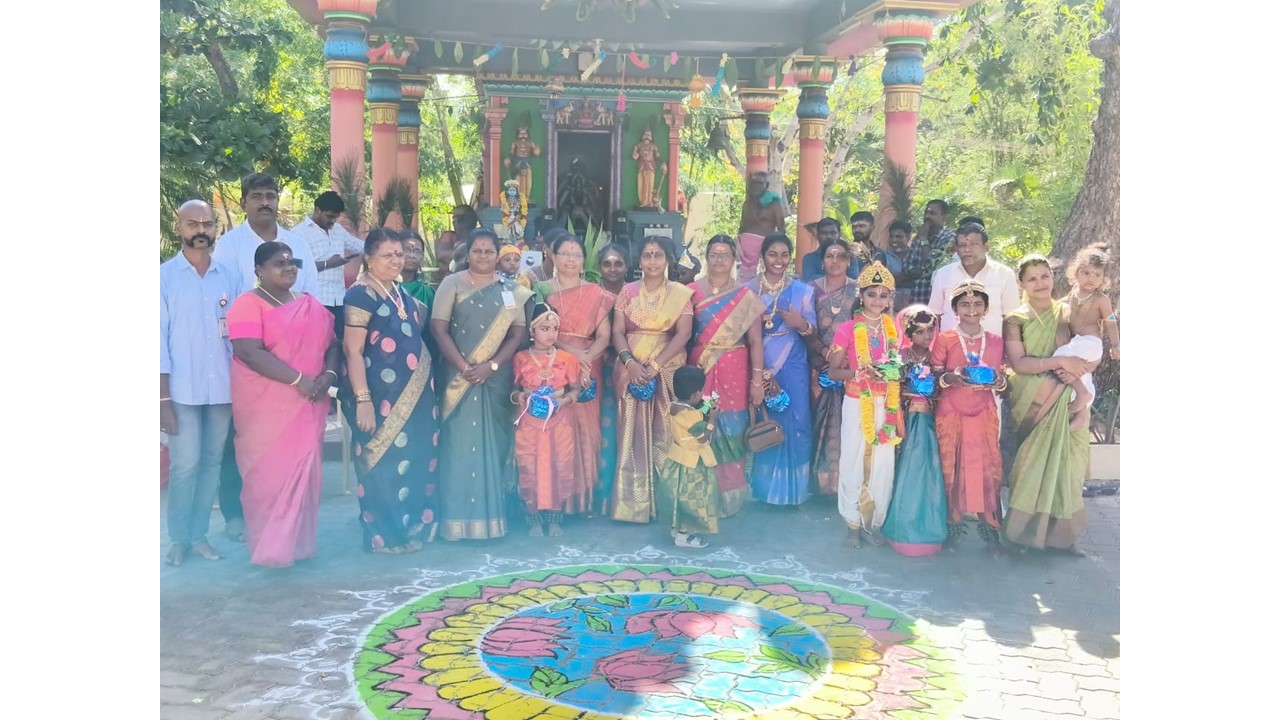
Krishna Jayanthi 2026: Grand Celebration of Indian Culture at Kamaraj College
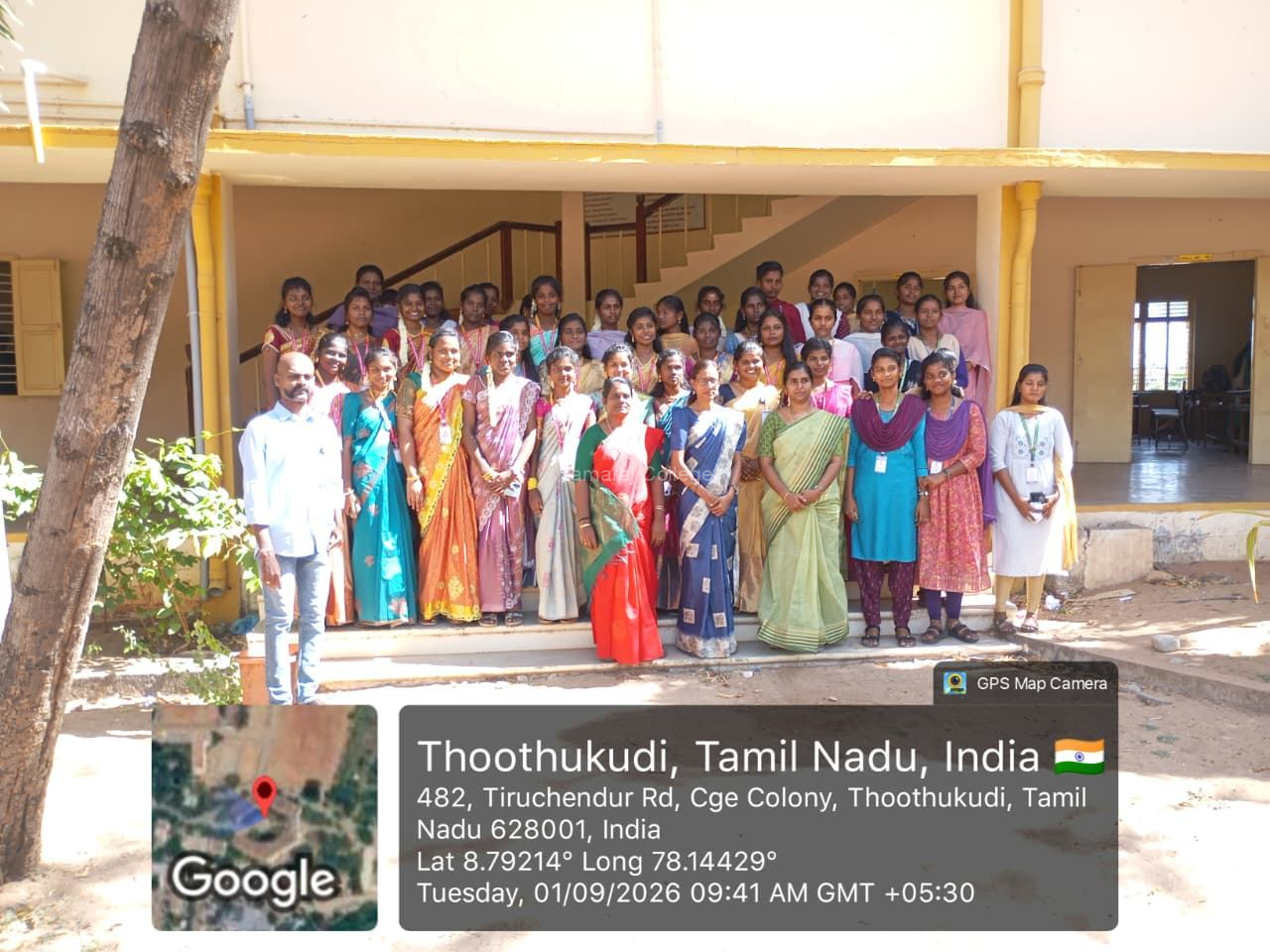
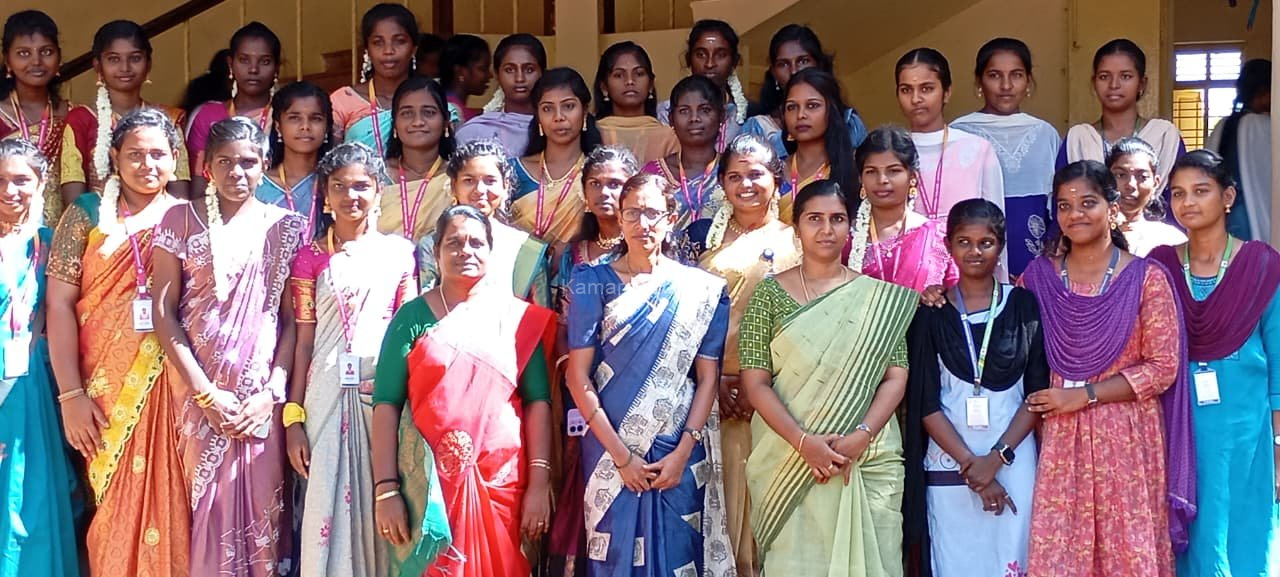
Report on Sri Krishna Jayanthi Celebration
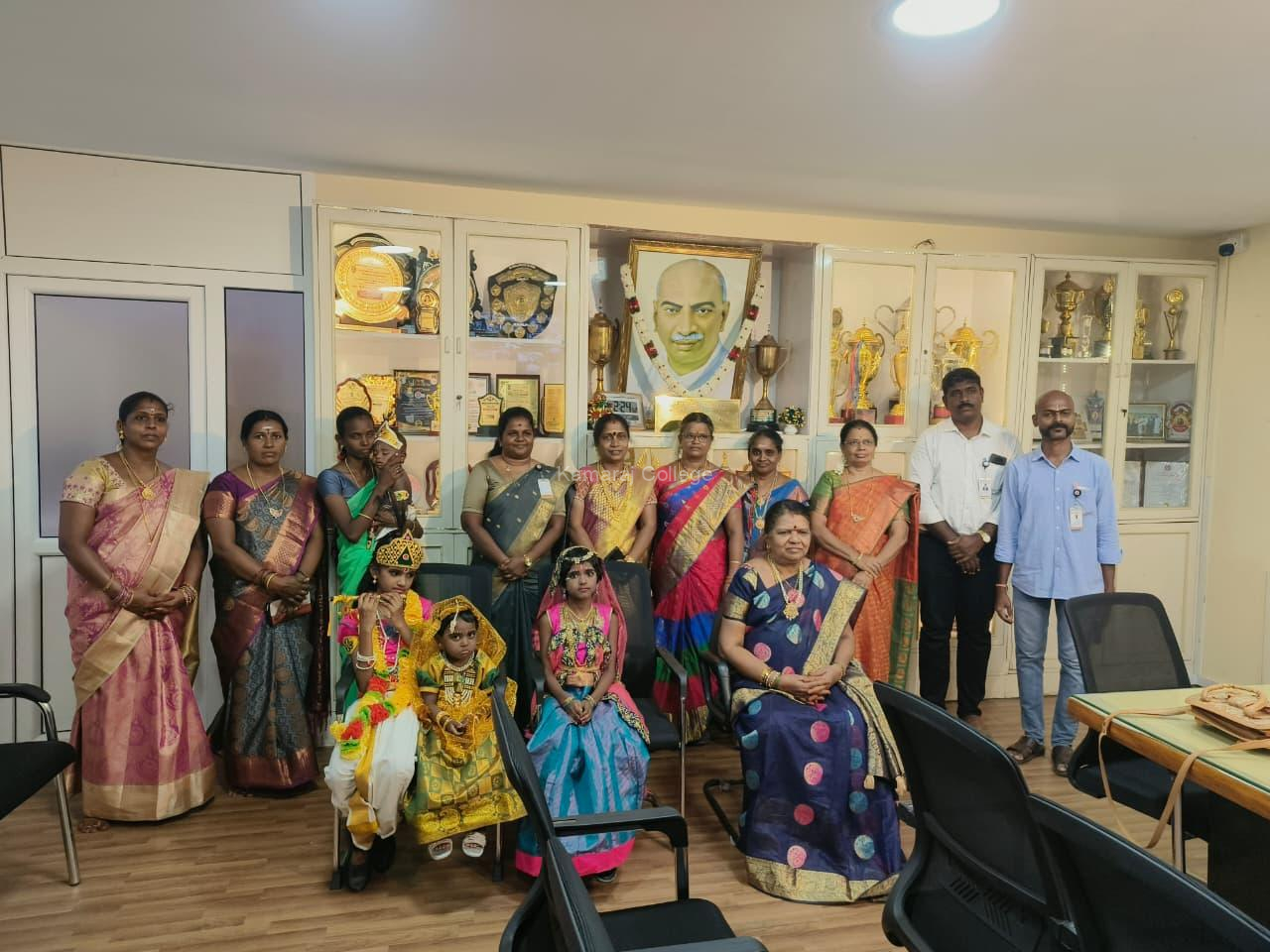
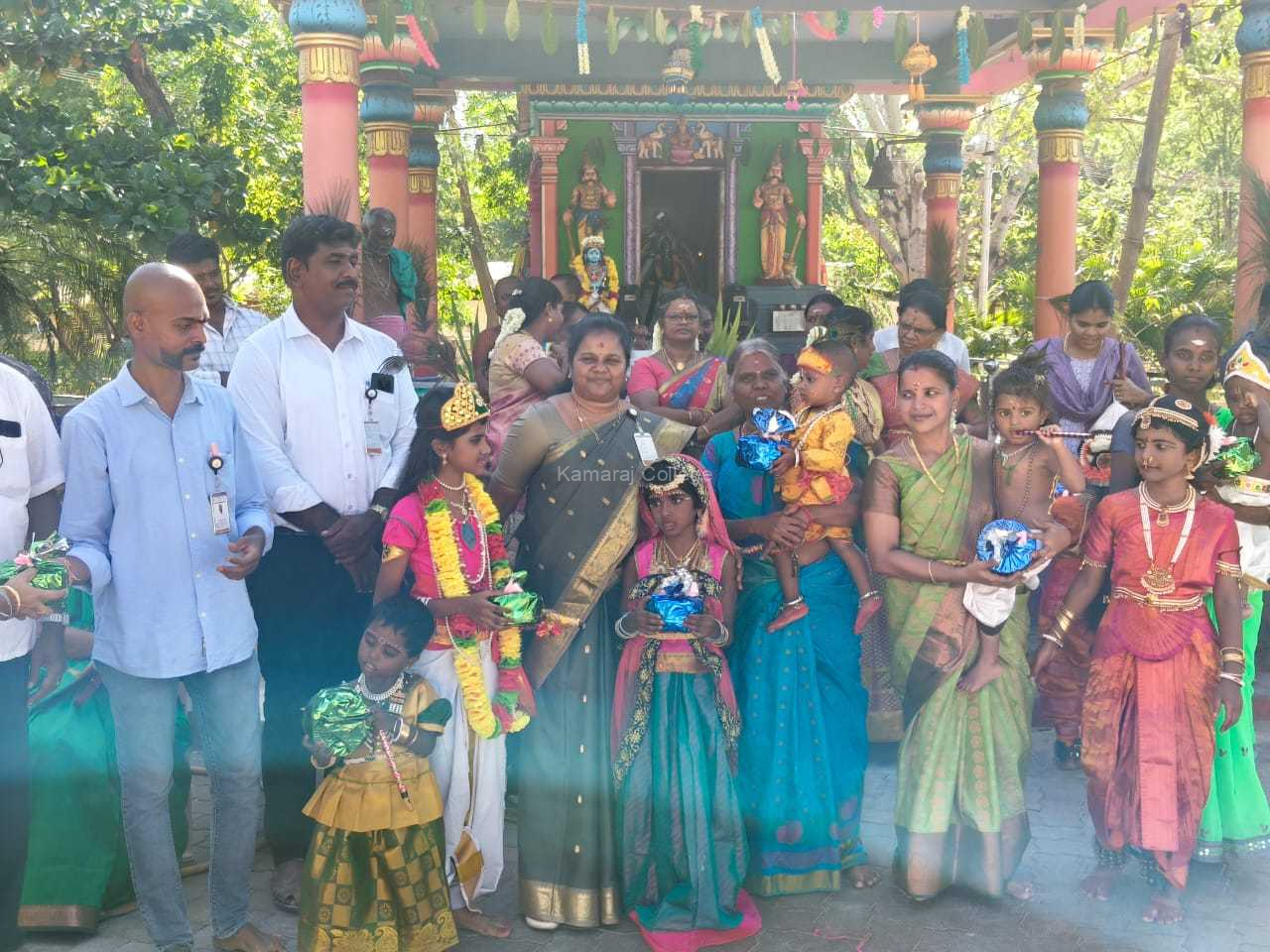
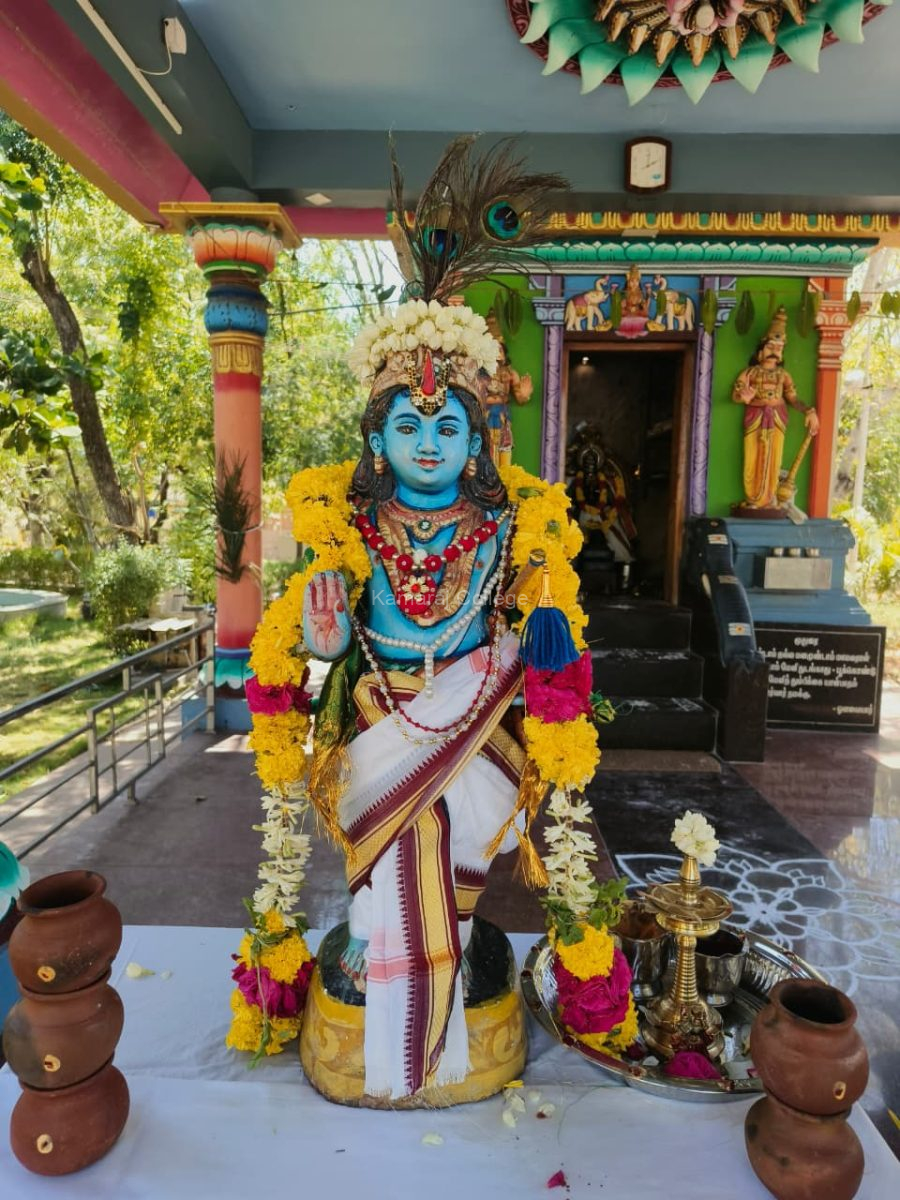
Krishna Jayanthi was celebrated with great enthusiasm and grandeur at Kamaraj College (Autonomous), Thoothukudi, on 1 September 2026. The college administration organised the celebration with the active participation of faculty members and students.
The programme celebrated one of India’s significant traditional festivals while creating awareness about Indian culture, heritage and traditional values. It also provided students with opportunities to showcase their creativity, talents, teamwork and organisational abilities.
Students enthusiastically participated in kolam, dance, singing, programme coordination and Uriyadi. In addition, traditional cultural performances by invited groups enriched the celebration and created a vibrant atmosphere across the campus.
The programme successfully combined tradition, cultural learning, student participation and holistic development.
Objectives of the Celebration
The Sri Krishna Jayanthi celebration aimed to create greater awareness among students about Indian cultural heritage while providing opportunities for active participation and talent development.
The major objectives were:
- Promote awareness of Indian cultural heritage
- Encourage appreciation of traditional festivals
- Provide opportunities for students to showcase their talents
- Promote traditional art and cultural forms
- Develop creativity and confidence among students
- Encourage teamwork and cooperation
- Strengthen leadership and organisational skills
- Promote unity through collective participation
- Develop social responsibility among students
- Connect younger generations with Indian traditions and cultural values
Thus, the celebration provided students with an opportunity to experience Indian cultural traditions while developing important personal and social skills.
Traditional Inauguration
The celebration was inaugurated by the Principal, Dr. (Mrs.) K. Bhanumathi, by lighting the traditional Kuthuvilakku.
The lighting of the lamp symbolised the removal of darkness and the spreading of the light of knowledge.
The traditional inauguration created a meaningful beginning to the programme and reflected the cultural spirit of the occasion.
Furthermore, it reinforced the importance of preserving traditional practices while passing cultural values to younger generations.
Participation of the Vice-Principals
The Vice-Principals, Mr. S. Senthil and Mr. Arunachala Rajan, graced the celebration and encouraged the participants.
They also distributed prizes to the winners of the various competitions.
Their presence and encouragement added significance to the programme and motivated students to participate actively in cultural and co-curricular activities.
Recognition of student achievement also encouraged participants to continue developing their talents and abilities.
Celebrating Indian Cultural Heritage
The Krishna Jayanthi celebration served as an effective platform for promoting awareness of India’s rich cultural heritage.
Traditional festivals provide opportunities for younger generations to understand customs, artistic traditions and cultural practices that have continued across generations.
The celebration therefore went beyond festivity and became an opportunity for cultural learning.
Students experienced Indian traditions through music, dance, kolam, traditional attire, Uriyadi and other cultural activities.
Enthusiastic Student Participation
Students played a central role in the celebration.
They enthusiastically participated in various activities and also contributed to the planning, coordination and execution of the programme.
Their active involvement demonstrated their:
- Creativity
- Teamwork
- Confidence
- Leadership
- Organisational Skills
- Coordination Abilities
- Cultural Awareness
Thus, the celebration provided students with practical opportunities to develop abilities beyond classroom learning.
Kolam Competition
Kolam formed an important part of the cultural activities organised during the celebration.
Students participated enthusiastically and demonstrated their creativity through traditional designs.
Kolam is an important visual expression associated with Indian cultural traditions. Therefore, its inclusion added a distinctive traditional character to the programme.
The activity also enabled students to combine creativity with cultural appreciation.
Prizes were awarded to the winners in recognition of their efforts and talent.
Dance Performances
Dance brought colour and energy to the Krishna Jayanthi celebration.
Students participated actively and displayed their talents through cultural performances.
Dance provides a powerful medium for expressing traditions, stories and cultural identity.
Therefore, the performances were not merely entertainment but also contributed to the cultural learning experience of the programme.
The enthusiastic participation of the students made the celebration lively and engaging.
Singing and Musical Participation
Singing was another important activity during the celebration.
Students used music as a form of cultural expression and added to the festive atmosphere.
Their participation enabled them to demonstrate confidence and artistic talent before the college community.
Furthermore, music complemented the other traditional activities and contributed to the overall cultural richness of the event.
Traditional Cultural Performances
A major attraction of the celebration was the presentation of traditional cultural performances by representatives of:
- Sri Sankara Rameshwarar Sivan Temple, Thoothukudi
- Sri Vaikunthapathi Perumal Temple
- Former Women’s Group of Kamaraj College
- School Students
Their participation brought different generations and groups together through a shared celebration of Indian culture.
The performances added authenticity, variety and cultural richness to the programme.
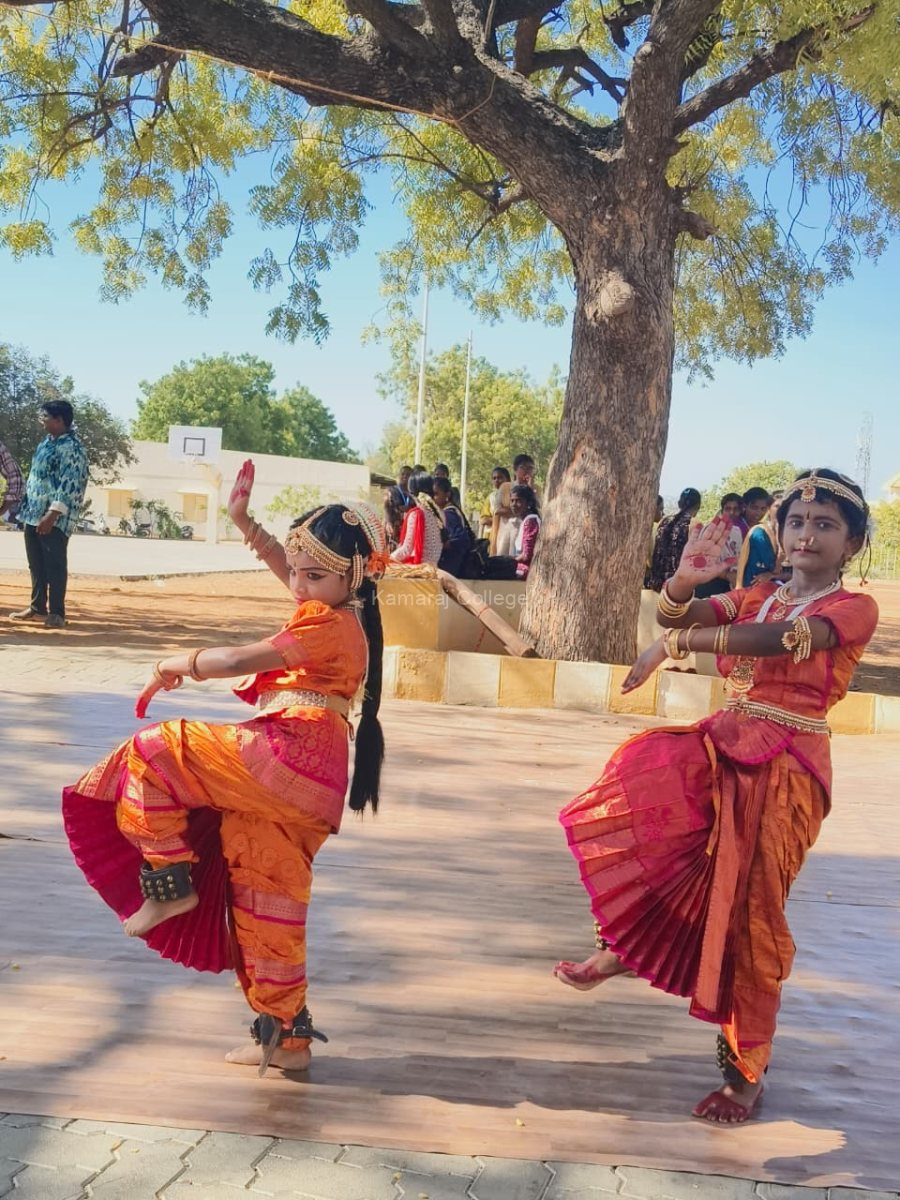
Bharatanatyam Performance
Bharatanatyam was among the traditional art forms presented during the celebration.
The performance added grace and cultural depth to the programme.
Traditional dance forms provide students with an opportunity to experience India’s artistic heritage in a direct and engaging manner.
The Bharatanatyam presentation therefore strengthened the cultural character of the event and contributed to the appreciation of Indian performing arts.
Kolattam and Traditional Arts
Kolattam and other traditional art forms added vibrancy to the celebration.
These performances reflected collective participation and cultural expression.
Moreover, they introduced students to traditional forms that remain an important part of community celebrations.
The colourful performances created an engaging atmosphere and helped connect the college community with India’s diverse cultural traditions.
Uriyadi: A Major Highlight
One of the most exciting highlights of the Krishna Jayanthi celebration was the traditional Uriyadi event.
Students participated with tremendous enthusiasm and sporting spirit.
The event created excitement among participants and spectators and made the celebration lively and enjoyable.
Uriyadi also encouraged coordination, confidence and active participation.
Cash prizes were awarded to the successful participants, adding further excitement to the traditional event.
Competitions and Recognition of Talent
The various competitions conducted as part of the celebration provided students with opportunities to display their talents.
The activities encouraged participation from students with different interests and abilities.
Prizes were awarded to the winners of the competitions in recognition of their performance and creativity.
Such recognition motivates students to participate actively in future programmes and helps build confidence.
Furthermore, competitions can encourage a healthy spirit of participation while strengthening cultural awareness.
Learning Beyond the Classroom
The programme demonstrated that meaningful learning can take place beyond regular classroom activities.
By participating in cultural events, students develop skills that complement academic learning.
Planning an event, coordinating with others, performing before an audience and taking responsibility for different activities can contribute to personal development.
Therefore, the celebration provided a valuable experiential learning opportunity for students.
Developing Teamwork
Teamwork was an important element throughout the programme.
Students, faculty members and organisers worked together to coordinate different activities.
Successful cultural programmes require cooperation and shared responsibility.
Therefore, the experience enabled students to understand the importance of working effectively as a team.
Moreover, teamwork helped strengthen relationships among participants and contributed to the smooth conduct of the celebration.
Leadership and Organisational Skills
Students actively participated in the planning, coordination and execution of the events.
These responsibilities helped them develop leadership and organisational abilities.
Event management requires planning, communication, cooperation and the ability to respond to different situations.
Therefore, participation in the celebration provided practical opportunities for students to develop skills that can support their future academic and professional activities.
Building Confidence and Personality
Cultural participation can contribute significantly to confidence and personality development.
Students who perform, coordinate activities or take responsibility for an event gain practical experience in communicating and working with others.
The Sri Krishna Jayanthi celebration provided several such opportunities.
As a result, students could develop greater confidence while showcasing their abilities before the college community.
Promoting Unity Through Culture
The programme brought together students, faculty members, former members of the college community, temple representatives and school students.
This diverse participation contributed to a sense of togetherness.
Cultural celebrations can create common spaces where people participate, interact and appreciate shared traditions.
Therefore, the programme contributed to promoting unity and collective participation among the college community.
Social Responsibility and Self-Reliance
Participants observed that programmes of this nature can contribute to the development of self-reliance, leadership qualities, teamwork and social responsibility among students.
Taking responsibility for organising and conducting activities helps students become more independent and accountable.
Furthermore, working together encourages mutual respect and cooperation.
Thus, the celebration contributed to holistic student development while promoting cultural values.
Traditional Snacks for Participants
As part of the celebration, traditional snacks were served to all participants.
This added another cultural dimension to the programme and complemented the festive atmosphere.
Sharing traditional food also strengthened the sense of community among participants.
The gesture contributed to making the celebration warm, inclusive and memorable.
Guidance of Heads of Departments
The entire programme was successfully organised under the guidance of the Heads of various Departments.
Their support helped coordinate the different components of the celebration and encouraged active student participation.
The involvement of faculty members also ensured that students received appropriate guidance while taking responsibility for planning and executing the activities.
Thus, the programme reflected effective cooperation between students and faculty members.
Programme Coordination
The Sri Krishna Jayanthi celebration was coordinated by Dr. J. Nagarajan, Assistant Professor of Zoology.
He worked closely with students and faculty members to ensure the smooth conduct of the programme.
Effective coordination played an important role in bringing together the various cultural activities, competitions and performances.
His efforts, along with the cooperation of the Heads of Departments, faculty members and students, contributed significantly to the successful organisation of the celebration.
Preserving Indian Traditions
The Krishna Jayanthi celebration encouraged students to understand and appreciate Indian traditions.
Cultural heritage continues when younger generations actively learn about and participate in traditional practices.
Educational institutions can play an important role in creating opportunities for such engagement.
Therefore, celebrations of this nature can help students develop a deeper connection with Indian cultural heritage while also encouraging respect for traditional arts and practices.
Holistic Student Development
The celebration combined cultural learning with opportunities for personal development.
Students did not remain merely as spectators. Instead, they actively performed, competed, coordinated and organised.
Through these experiences, they developed:
- Creativity
- Self-Confidence
- Teamwork
- Leadership Qualities
- Self-Reliance
- Organisational Skills
- Social Responsibility
- Cultural Awareness
Thus, the programme supported the overall development of students while celebrating Indian cultural heritage.
Key Cultural Activities
The celebration featured a wide range of activities:
- Traditional Kuthuvilakku Lighting
- Kolam
- Dance
- Singing
- Bharatanatyam
- Kolattam
- Traditional Cultural Performances
- Uriyadi
- Student Programme Coordination
- Prize Distribution
The variety of activities made the programme vibrant and provided opportunities for wider student participation.
Programme Highlights
- Programme: Sri Krishna Jayanthi Celebration
- Date: 1 September 2026
- Venue: Kamaraj College Campus
- Institution: Kamaraj College (Autonomous), Thoothukudi
- Organised by: College Administration
- Inaugurated by: Dr. (Mrs.) K. Bhanumathi, Principal
- Vice-Principals: Mr. S. Senthil and Mr. Arunachala Rajan
- Programme Coordinator: Dr. J. Nagarajan, Assistant Professor of Zoology
- Major Activities: Kolam, dance, singing and Uriyadi
- Traditional Performances: Bharatanatyam, Kolattam and other cultural art forms
- Special Participants: Temple representatives, former women’s group of Kamaraj College and school students
- Recognition: Prizes awarded to competition winners
- Uriyadi: Cash prizes awarded to successful participants
- Hospitality: Traditional snacks served to all participants
Programme Outcomes
The Krishna Jayanthi celebration resulted in several meaningful outcomes.
Through the programme, students:
- Developed greater awareness of Indian cultural heritage
- Gained appreciation for traditional festivals and art forms
- Showcased their creativity and talents
- Developed greater self-confidence
- Strengthened teamwork and cooperation
- Improved leadership and organisational abilities
- Gained experience in programme planning and coordination
- Developed self-reliance through active responsibility
- Recognised the importance of unity and social responsibility
- Experienced Indian traditions through active cultural participation
Overall, the celebration successfully combined cultural awareness with student development.
Conclusion
The Sri Krishna Jayanthi Celebration organised at Kamaraj College (Autonomous), Thoothukudi, on 1 September 2026 was a vibrant and culturally enriching programme.
The celebration began with the traditional lighting of the Kuthuvilakku by Principal Dr. (Mrs.) K. Bhanumathi. The presence of Vice-Principals Mr. S. Senthil and Mr. Arunachala Rajan added significance to the occasion, and they distributed prizes to the competition winners.
Students enthusiastically participated in kolam, dance, singing, Uriyadi and programme coordination. Meanwhile, traditional performances including Bharatanatyam, Kolattam and other cultural art forms added colour and vibrancy to the programme.
The participation of representatives from Sri Sankara Rameshwarar Sivan Temple, Thoothukudi, Sri Vaikunthapathi Perumal Temple, the former women’s group of Kamaraj College and school students further enriched the celebration.
The traditional Uriyadi event emerged as one of the major highlights, with students participating enthusiastically and successful participants receiving cash prizes.
Furthermore, the involvement of students in planning, coordination and execution helped strengthen their creativity, confidence, teamwork, leadership, self-reliance and organisational abilities.
The programme was successfully coordinated by Dr. J. Nagarajan, Assistant Professor of Zoology, with the guidance of the Heads of various Departments and the active cooperation of students and faculty members.
Overall, the Krishna Jayanthi celebration provided a meaningful blend of Indian tradition, cultural expression, student participation and holistic development. It created a memorable experience for the college community while strengthening awareness and appreciation of India’s rich cultural heritage.
Internal Link
External Links
- Ministry of Culture, Government of India – Explore India’s cultural heritage, traditional arts and initiatives for preserving and promoting Indian culture.
- Indian Knowledge Systems – Explore India’s traditional knowledge, cultural heritage and initiatives promoting Indian knowledge systems.