
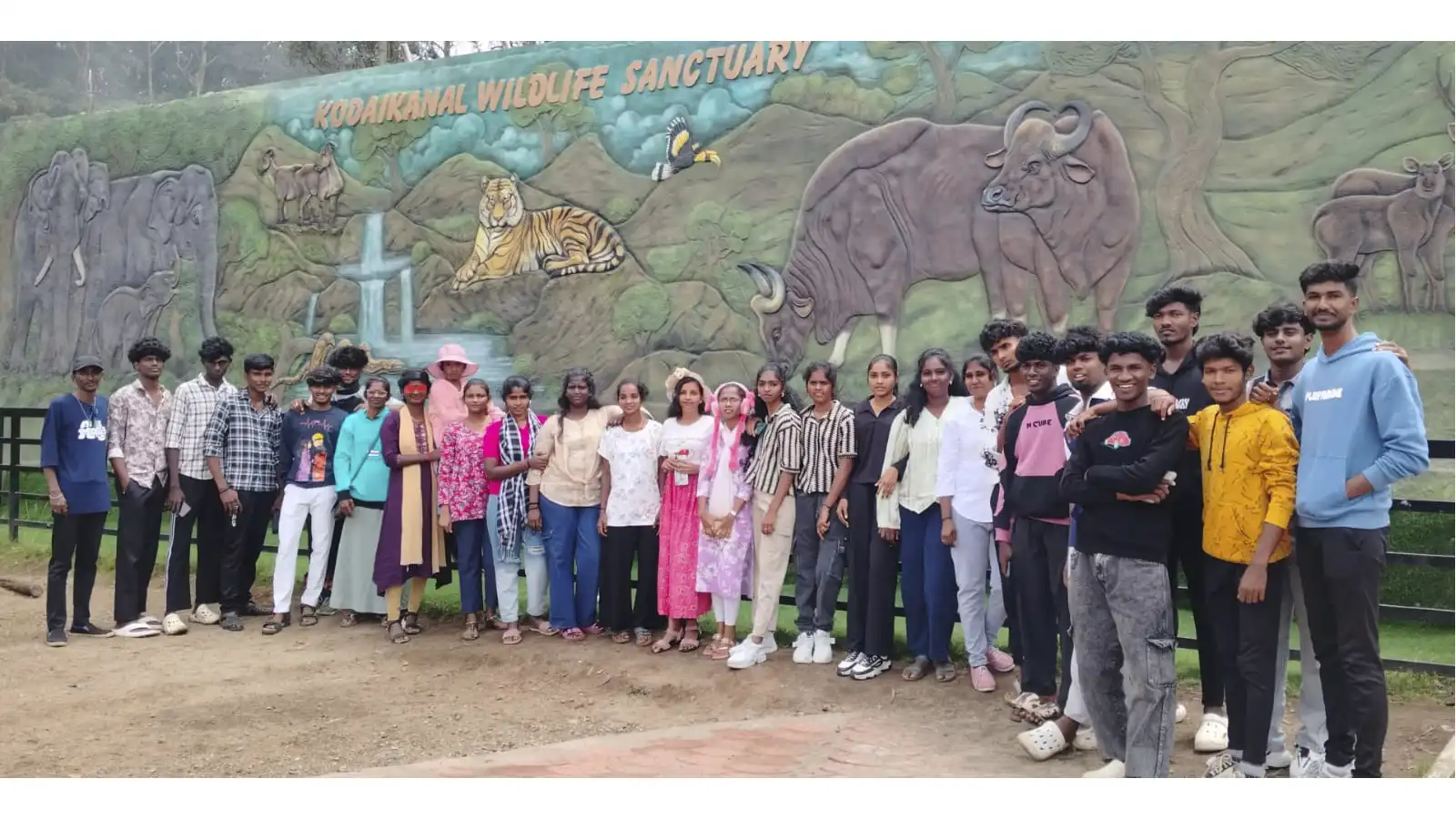
Kodaikanal Field Visit: 7 Remarkable Learning Experiences
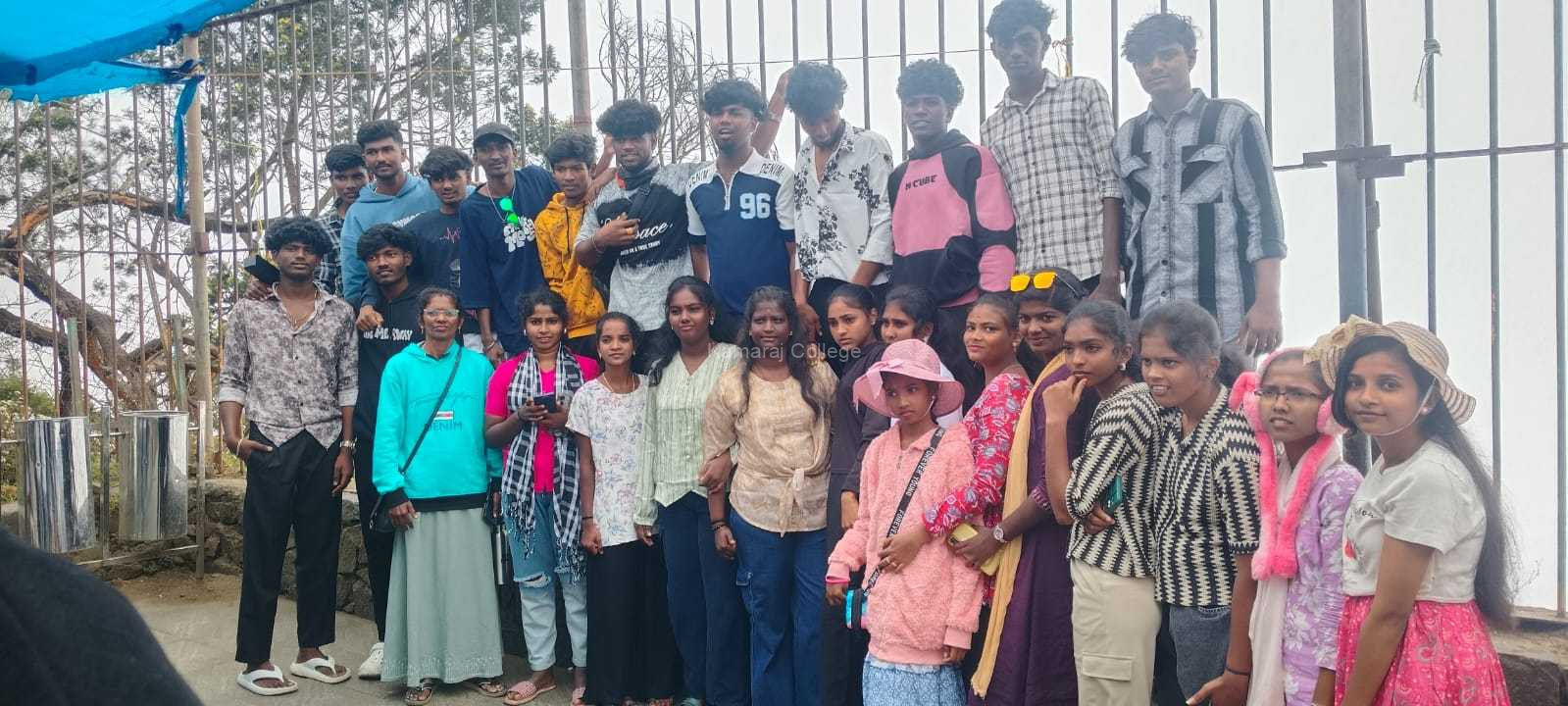
Introduction to the Kodaikanal Field Visit
The Kodaikanal Field Visit was organized for the students of II B.A. History from Kamaraj College (Autonomous), Thoothukudi on 19 and 20 March 2026 from 10.00 a.m. to 05.00 p.m.
The primary objective of the Kodaikanal Field Visit was to provide students with practical exposure to historical, geographical, and cultural aspects of one of Tamil Nadu’s most important hill stations. Educational field visits play a crucial role in helping students understand theoretical concepts through real-world observation.
Kodaikanal, located in the Western Ghats, is known for its natural beauty as well as its historical significance during the British colonial period.
Objectives of the Kodaikanal Field Visit
The Kodaikanal Field Visit was planned to enhance students’ academic knowledge and provide experiential learning opportunities.
The key objectives included:
- Understanding the historical development of Kodaikanal
- Learning about colonial influence in hill stations
- Exploring the geographical features of the Western Ghats
- Studying cultural and architectural heritage
- Connecting classroom learning with real-life historical evidence
Therefore, the visit helped students gain a deeper understanding of history beyond textbooks.
Historical Significance of Kodaikanal
The Kodaikanal Field Visit provided valuable insights into the historical importance of the region.
Kodaikanal developed as a hill station during the British colonial period. It was used as a summer retreat by British officials who wanted to escape the heat of the plains.
Several historical features observed during the visit include:
- Colonial-era buildings and institutions
- Old schools and churches established during British rule
- Architectural styles reflecting European influence
- Planned urban layout of the hill station
These elements clearly show how colonial administration shaped the development of Kodaikanal.
Geographical Importance of the Region
The Kodaikanal Field Visit also helped students understand the geographical significance of the Western Ghats.
Kodaikanal is situated in a region known for:
- Mountain ranges and valleys
- Dense forests and biodiversity
- Cool climate and ecological importance
- Water resources and natural landscapes
The Western Ghats are recognized globally for their ecological importance. Students were able to observe how geography influences settlement patterns and human activities.
For more information, students can explore resources from UNESCO World Heritage – Western Ghats.
Cultural and Architectural Observations
During the Kodaikanal Field Visit, students also explored the cultural aspects of the region.
They observed:
- Local traditions and lifestyle of people
- Influence of colonial culture on local society
- Blend of traditional and modern practices
- Architectural features of heritage buildings
These observations helped students understand how culture evolves through historical influences and geographical conditions.
Learning Experience for History Students
The Kodaikanal Field Visit provided a valuable learning experience for the students of History.
The visit helped them:
- Visualize historical concepts in real settings
- Understand colonial history through physical structures
- Analyze the relationship between geography and history
- Develop observational and analytical skills
- Enhance interest in historical research
Such experiential learning methods make history more engaging and meaningful.
Importance of Field Visits in Education
Field visits are an important part of academic learning, especially in subjects like History and Geography.
The Kodaikanal Field Visit demonstrated the importance of:
- Learning beyond classroom environments
- Gaining practical exposure to historical sites
- Developing critical thinking skills
- Enhancing student engagement and interest
- Encouraging research-based learning
Educational organizations such as UNESCO emphasize experiential learning as a key approach in modern education.
Role of Kamaraj College in Experiential Learning
Kamaraj College (Autonomous) actively promotes experiential learning through field visits, educational tours, and research activities.
The institution supports students by:
- Organizing academic field visits
- Encouraging practical learning experiences
- Promoting research-oriented education
- Enhancing subject understanding through observation
The Kodaikanal Field Visit reflects the college’s commitment to holistic education.
Impact of the Field Visit
The Kodaikanal Field Visit proved to be highly informative and enriching for the students.
The visit:
- Strengthened students’ understanding of history and geography
- Provided real-world exposure to colonial heritage
- Encouraged interest in historical exploration
- Improved analytical and observational skills
Such experiences contribute significantly to students’ academic growth.
Frequently Asked Questions
- Why was the Kodaikanal Field Visit organized? The visit was organized to provide practical knowledge about history, geography, and culture.
- Which students participated in the visit? Students from II B.A. History participated in the visit.
- What did students learn during the visit? Students learned about colonial history, geographical features, and cultural aspects of Kodaikanal.
Conclusion
The Kodaikanal Field Visit organized for the II B.A. History students of Kamaraj College (Autonomous), Thoothukudi was a valuable educational experience.
The visit successfully provided insights into the historical, geographical, and cultural significance of Kodaikanal. It helped students connect theoretical knowledge with real-world observations and enhanced their understanding of history.
Such initiatives continue to strengthen experiential learning and academic excellence among students.