
Indian Inscriptions: Remarkable 3-Day ASI Programme Reaches 2,500 Students
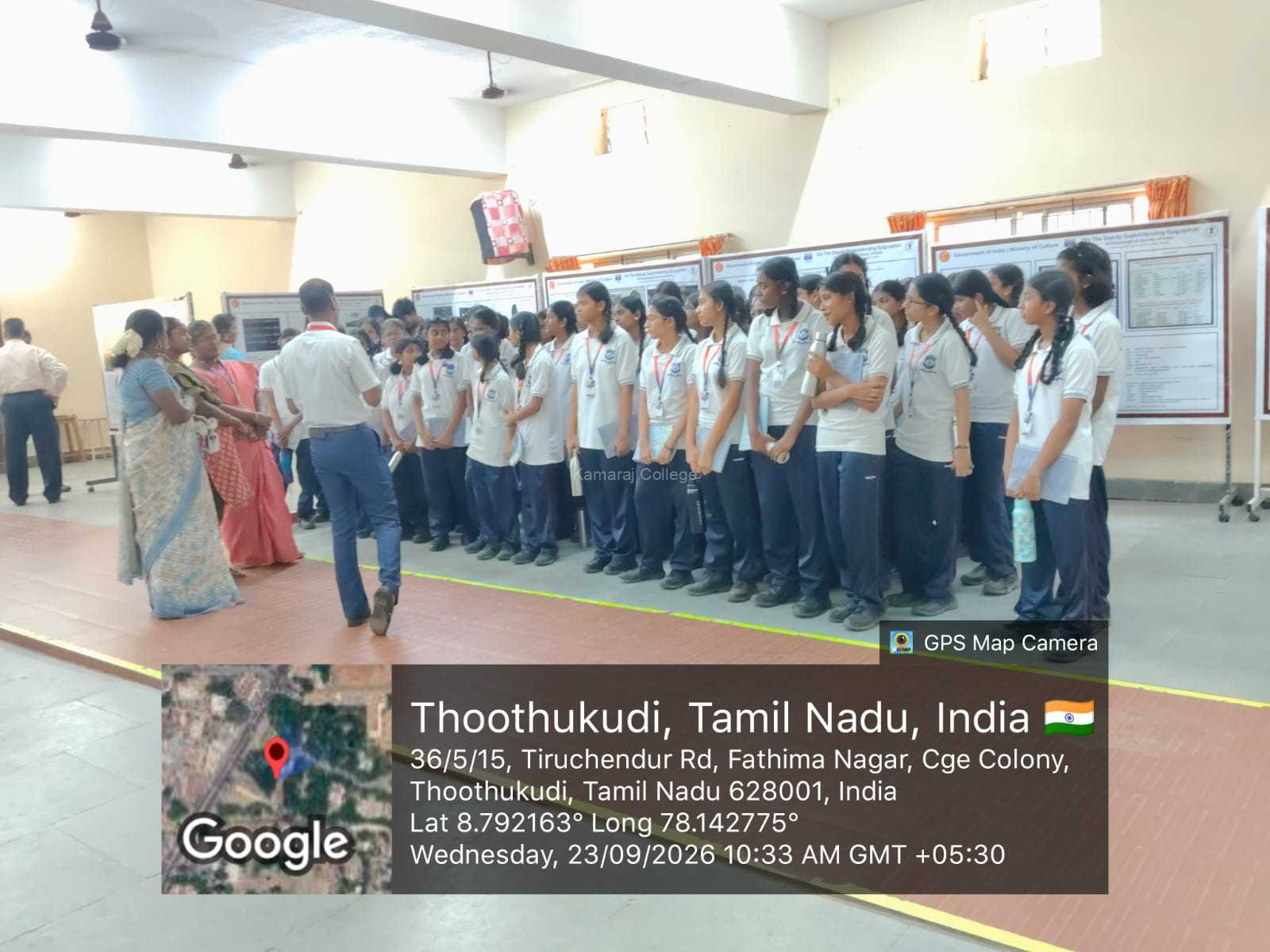
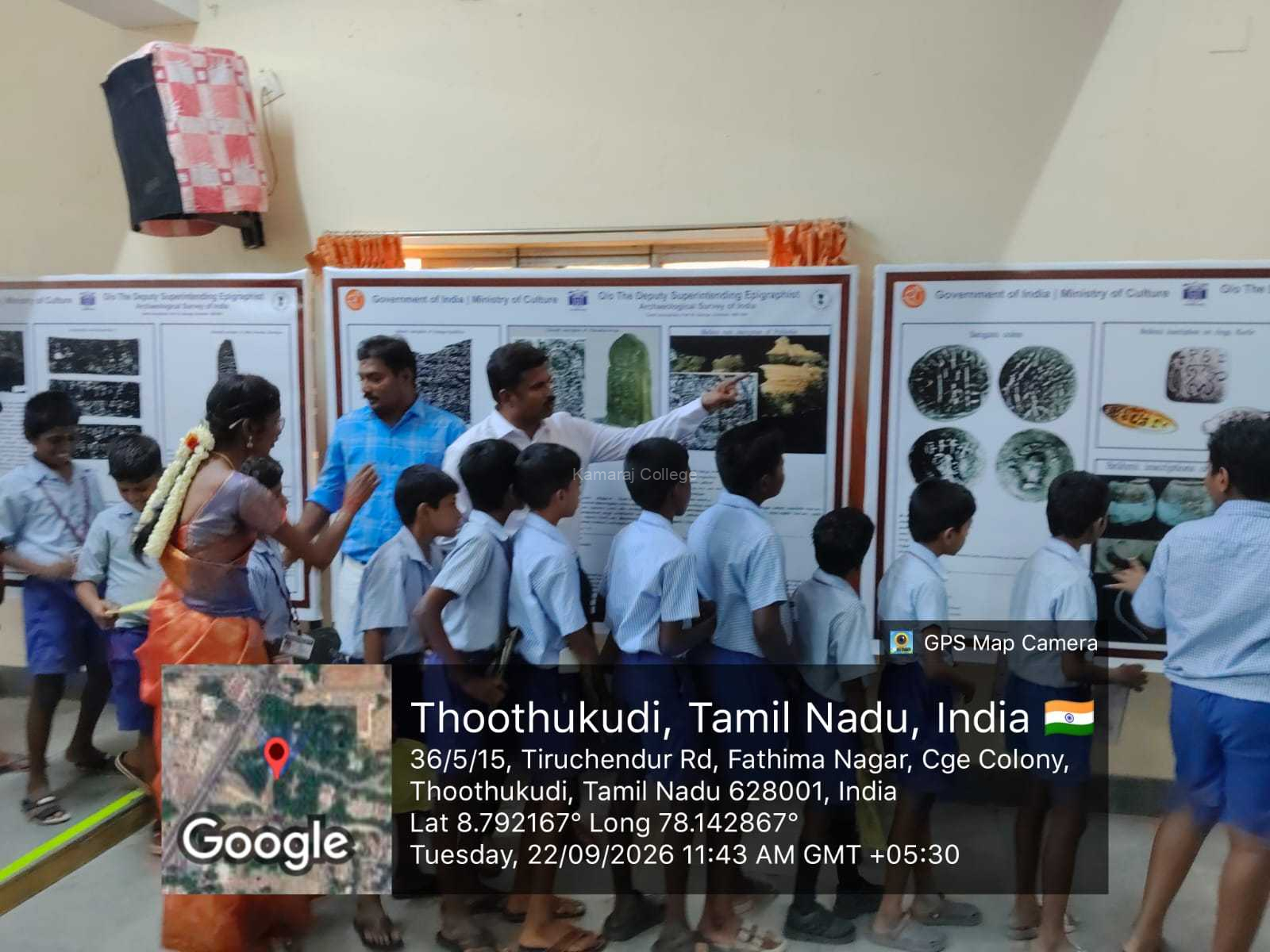
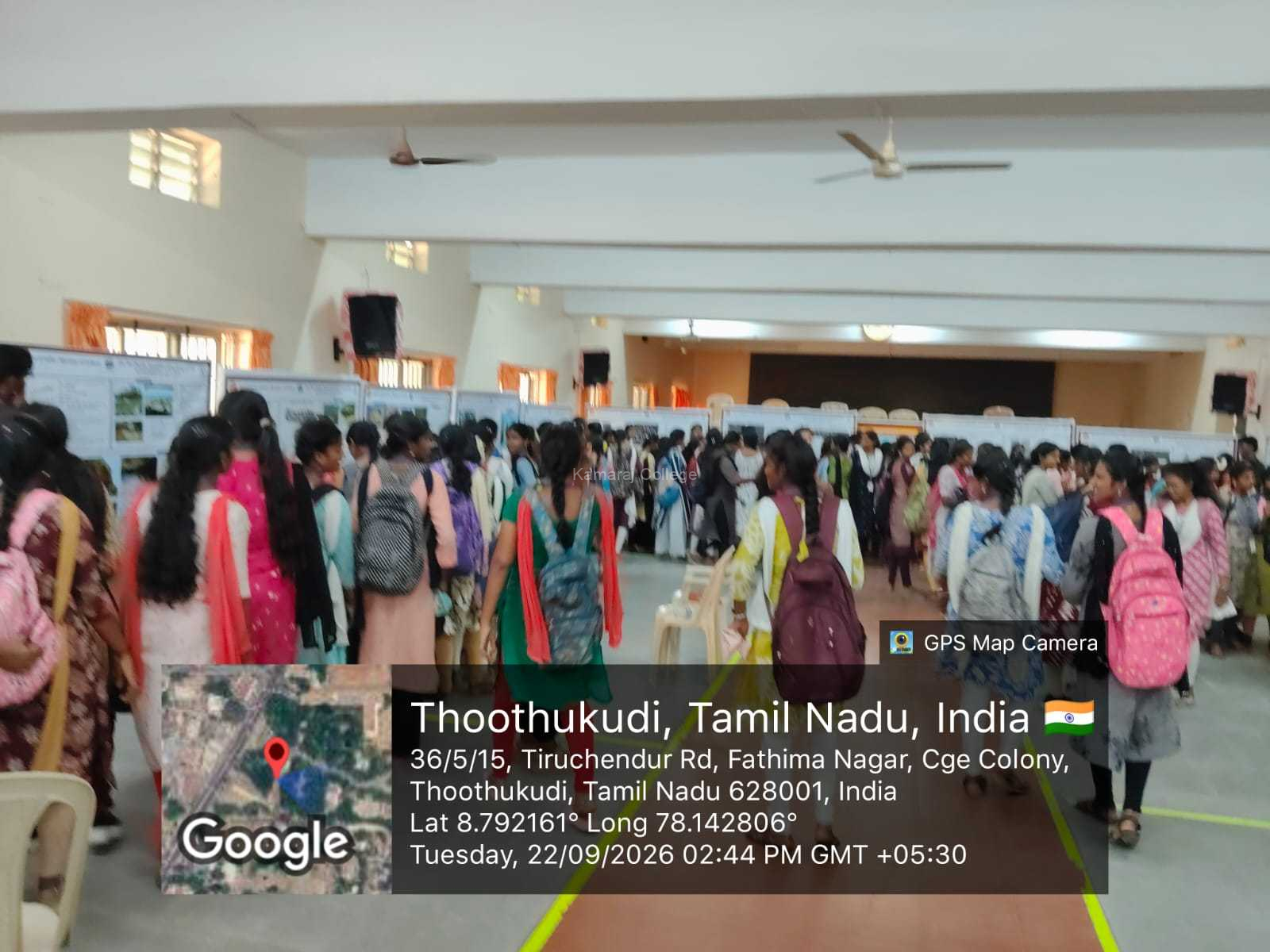
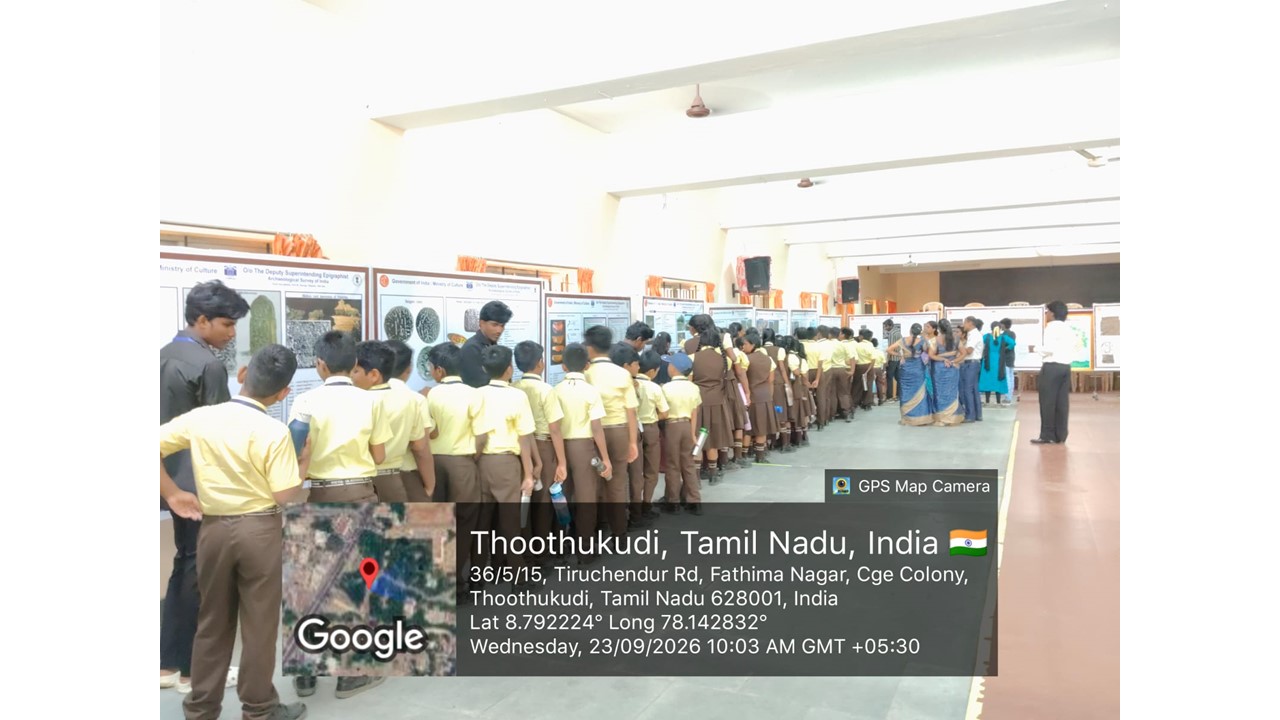
Indian Inscriptions were brought closer to the younger generation through a Three-day Cultural Awareness Programme jointly organised by the Archaeological Survey of India (ASI), Ministry of Culture, Government of India, and the P.G. & Research Department of History, Kamaraj College (Autonomous), Thoothukudi, from 22 to 24 September 2026.
Entitled “Indian Inscriptions Through the Ages,” the programme attracted approximately 2,500 students from various schools and colleges in and around Thoothukudi District.
The programme created awareness about the importance of inscriptions as valuable primary sources for understanding the political, social, economic, religious and cultural history of India, with particular emphasis on the rich epigraphical heritage of Tamil Nadu.
Indian Inscriptions Through the Ages
The three-day programme was jointly organised by the Office of the Deputy Superintending Epigraphist (Tamil Inscriptions), Chennai, Archaeological Survey of India, and the P.G. & Research Department of History.
The programme introduced students and visitors to the historical importance of inscriptions and their contribution to reconstructing the past.
It also provided an opportunity for the younger generation to understand the importance of protecting and preserving India’s inscriptional heritage.
Approximately 2,500 Students Participate
A major highlight of the programme was the participation of approximately 2,500 students from schools and colleges in and around Thoothukudi District.
The large student participation significantly expanded the outreach of the Indian Inscriptions awareness programme.
Students and faculty members from different educational institutions visited the programme and gained exposure to India’s epigraphical and cultural heritage.
Participation from Schools
Students from several schools actively participated in the three-day programme.
Participating institutions included:
- Vikasa School
- Victoria School
- Dhasnevis School
- Various Government Schools
- Other schools in and around Thoothukudi District
Their participation helped introduce school students to History, Archaeology and Epigraphy beyond their regular classroom learning.
Participation from Colleges
Students from various colleges also participated enthusiastically in the programme.
These included students from St. Mary’s College, Bishop Caldwell College and other educational institutions in the district.
The participation of college students and faculty members further strengthened the academic reach of the programme.
Inscriptions as Primary Historical Sources
The Indian Inscriptions programme highlighted the importance of inscriptions as primary sources of history.
Epigraphical records provide valuable information that helps historians understand societies and institutions of different historical periods.
Students learned how inscriptions contribute to reconstructing the political, social, economic, religious and cultural history of India.
Understanding Scripts and Languages
The programme introduced participants to the evolution of scripts and languages reflected in inscriptional records.
This exposure helped students understand how inscriptions preserve information across different historical periods.
It also demonstrated the importance of studying scripts and languages while interpreting historical evidence.
Rich Epigraphical Heritage of Tamil Nadu
Special emphasis was placed on the rich epigraphical heritage of Tamil Nadu.
The programme helped students recognise the historical value of inscriptions found across the State and their contribution to understanding Tamil Nadu’s past.
Through the study of Indian Inscriptions, students gained a broader appreciation of the relationship between regional history and the larger cultural history of India.
Creating Awareness About Epigraphy
The Cultural Awareness Programme created greater awareness about Epigraphy and its importance in historical research.
Students were introduced to the role of inscriptions in providing direct evidence about people, institutions, administration, society, religion and culture.
The programme therefore served as an effective introduction to the importance of epigraphical studies.
Preserving India’s Cultural Heritage
An important objective of the programme was to create awareness about the need to preserve, protect and document inscriptions.
Participants were encouraged to understand that inscriptions are irreplaceable cultural resources that need careful protection.
The programme helped the younger generation recognise its role in appreciating and safeguarding archaeological and cultural heritage.
Growing Interest in History and Archaeology
The enthusiastic participation of approximately 2,500 students demonstrated considerable interest in History, Archaeology, Epigraphy and Cultural Heritage.
The Indian Inscriptions programme provided students with an opportunity to explore these fields in an engaging academic environment.
Such exposure can encourage students to develop a deeper interest in understanding and preserving the country’s historical resources.
Role of the Department of History
Dr. A. Devaraj, Head, P.G. & Research Department of History, along with the faculty members and student volunteers of the Department, organised and coordinated the programme.
The faculty members and volunteers played an important role in facilitating the participation of students from different educational institutions throughout the three-day programme.
Their coordinated efforts contributed to the successful conduct and wider outreach of the event.
Objectives of the Programme
The major objectives of the programme were:
- Create awareness about the importance of Indian inscriptions
- Introduce students to inscriptions as primary historical sources
- Explain the importance of Epigraphy in historical research
- Create awareness about the evolution of scripts and languages
- Highlight the epigraphical heritage of Tamil Nadu
- Promote interest in History and Archaeology
- Encourage preservation and documentation of inscriptions
- Create awareness about India’s archaeological and cultural heritage
- Encourage younger generations to safeguard cultural resources
Programme Highlights
- Programme: Indian Inscriptions Through the Ages
- Type: Three-day Cultural Awareness Programme
- Dates: 22 to 24 September 2026
- Organised by: Archaeological Survey of India and P.G. & Research Department of History
- ASI Office: Office of the Deputy Superintending Epigraphist (Tamil Inscriptions), Chennai
- Institution: Kamaraj College (Autonomous), Thoothukudi
- Participants: Approximately 2,500 Students
- Participants Represented: Schools and Colleges in and around Thoothukudi District
- Core Areas: History, Archaeology, Epigraphy and Cultural Heritage
- Department Head: Dr. A. Devaraj
Learning Outcomes
The Indian Inscriptions programme enabled participants to:
- Understand the historical significance of inscriptions
- Recognise inscriptions as important primary sources
- Gain awareness about the evolution of scripts and languages
- Understand the role of Epigraphy in reconstructing history
- Appreciate the rich epigraphical heritage of Tamil Nadu
- Develop greater interest in History and Archaeology
- Recognise the need to protect historical inscriptions
- Understand the importance of preserving cultural heritage
Successful Three-Day Cultural Awareness Programme
The participation of approximately 2,500 students from diverse educational institutions contributed significantly to the success of the programme.
The initiative provided an effective platform for introducing younger generations to India’s rich inscriptional heritage.
It also strengthened awareness about the responsibility of preserving archaeological and cultural resources for future generations.
Conclusion
The three-day Indian Inscriptions Cultural Awareness Programme held from 22 to 24 September 2026 successfully brought together approximately 2,500 students from schools and colleges in and around Thoothukudi District.
The joint initiative of the Archaeological Survey of India and the P.G. & Research Department of History, Kamaraj College (Autonomous), Thoothukudi, created meaningful awareness about inscriptions and their importance in reconstructing India’s history.
The programme also encouraged students to appreciate the rich epigraphical heritage of Tamil Nadu and understand the need to preserve, protect and document historical inscriptions.
Overall, the Indian Inscriptions programme successfully promoted interest in History, Archaeology, Epigraphy and Cultural Heritage while encouraging the younger generation to appreciate and safeguard India’s invaluable cultural resources.
Internal Link
- Kamaraj College (Autonomous), Thoothukudi – Explore more academic, cultural and heritage-awareness programmes of the College.
External Links
- Archaeological Survey of India – Official information on archaeological research, monuments, inscriptions and heritage conservation in India.
- Ministry of Culture, Government of India – Official information on India’s cultural heritage and preservation initiatives.