
Health Awareness 2026: Powerful Guidance for Student Well-Being
Report on Protecting Physical & Mental Health
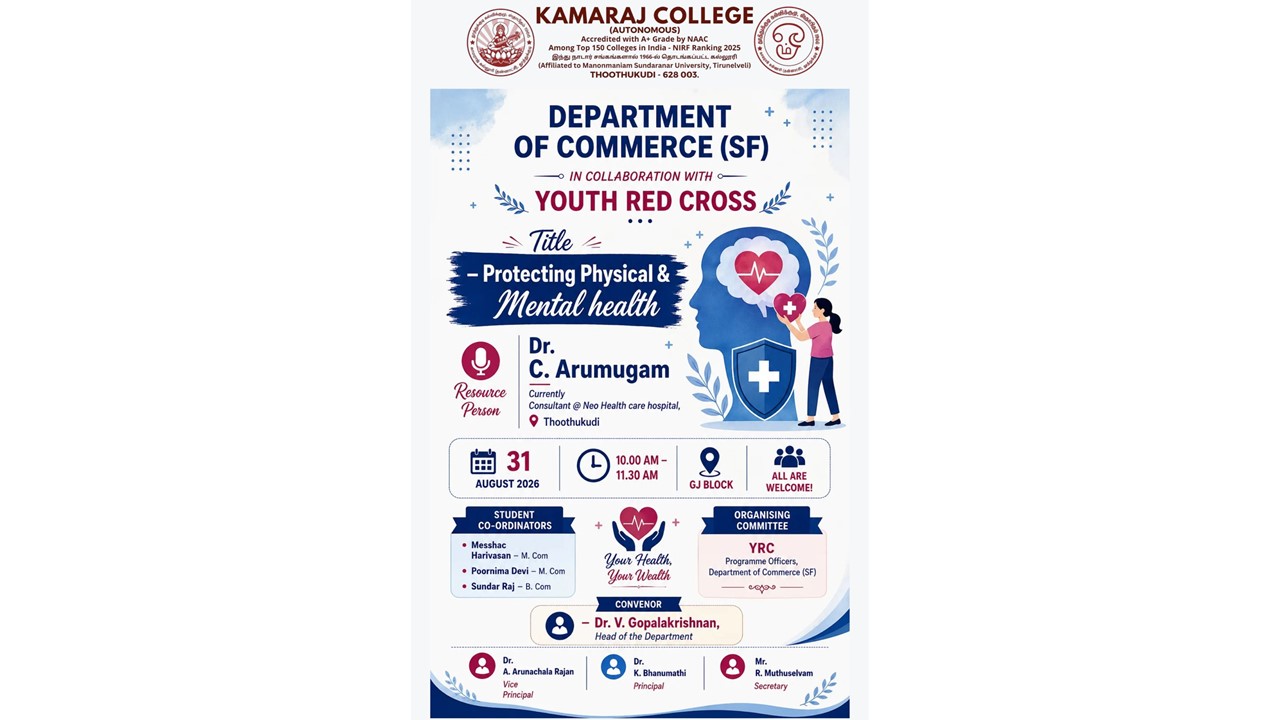
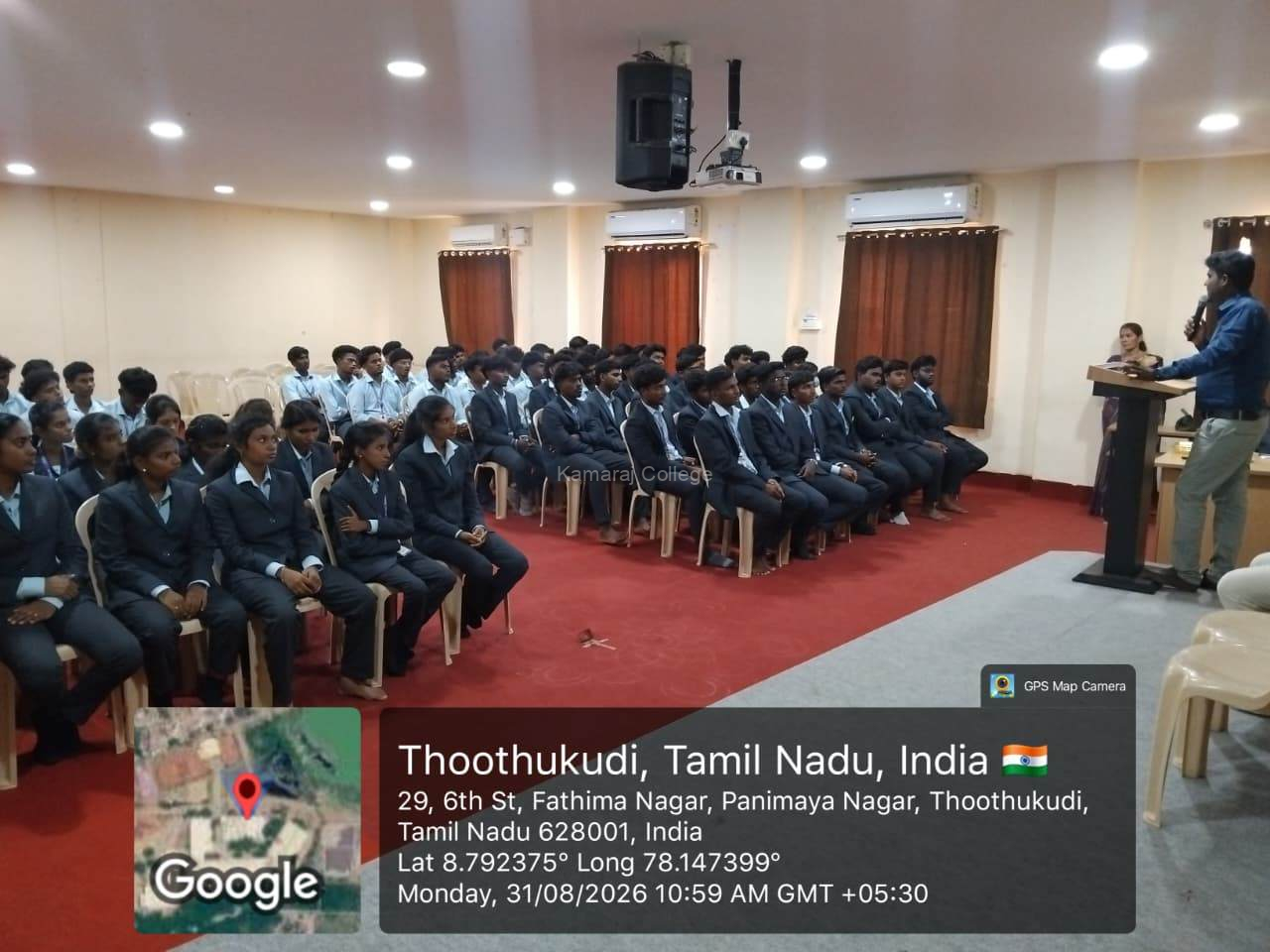
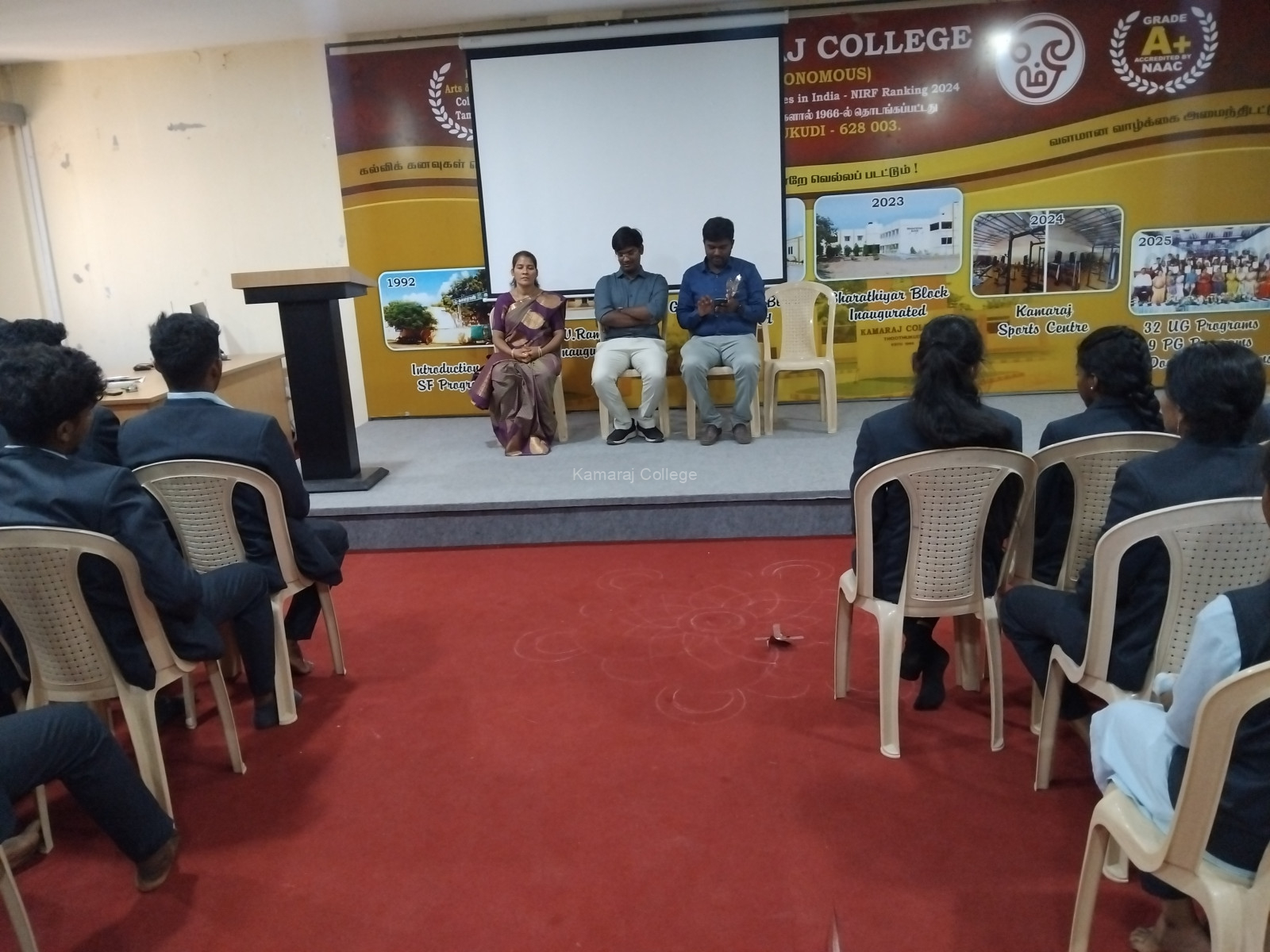
Health Awareness was promoted through a special programme titled “Protecting Physical & Mental Health”, organised by the Department of Commerce (SF), Kamaraj College (Autonomous), Thoothukudi, in collaboration with the Youth Red Cross (YRC) on 31 August 2026.
The programme was conducted from 10.00 a.m. to 11.30 a.m. at the GJ Block of the college.
The programme aimed to create awareness among students about the importance of maintaining good physical and mental health and encourage them to adopt healthy lifestyle practices.
Dr. C. Arumugam, Consultant, Neo Healthcare Hospital, Thoothukudi, served as the resource person and shared valuable insights on physical fitness, mental well-being, preventive healthcare and healthy everyday habits.
Furthermore, the programme addressed emotional well-being, stress management and the importance of seeking timely professional support when required.
The interactive nature of the session enabled students to gain practical knowledge and encouraged them to take greater responsibility for their overall health and well-being.
Objectives of the Health Awareness Programme
The programme was organised to improve students’ understanding of physical and mental well-being and encourage healthier everyday practices.
The major objectives were:
- Create awareness about physical and mental health
- Promote healthy lifestyle practices
- Highlight the importance of preventive healthcare
- Develop awareness about emotional well-being
- Introduce students to healthy approaches to stress management
- Encourage students to identify health-related concerns at an early stage
- Promote physical fitness
- Encourage healthy daily habits
- Highlight the importance of timely professional support
- Promote personal responsibility for overall well-being
Thus, the programme provided students with practical awareness that can support healthier and more balanced lives.
Resource Person
Dr. C. Arumugam, Consultant, Neo Healthcare Hospital, Thoothukudi, served as the resource person for the programme.
He shared valuable information on maintaining physical fitness and safeguarding mental well-being.
His interaction helped students understand that good health requires attention to both the body and the mind.
Furthermore, he discussed common health-related concerns and encouraged students to develop healthy habits as part of their everyday routine.
The practical orientation of the session made the programme informative and useful for the participants.
Understanding Physical and Mental Health
The programme highlighted the importance of viewing physical and mental health as interconnected aspects of overall well-being.
Physical health can influence energy, concentration and daily functioning. Similarly, emotional and mental well-being can affect motivation, relationships and academic performance.
Therefore, students were encouraged to pay attention to both dimensions of health.
The session reinforced the idea that maintaining overall well-being requires regular care, awareness and responsible lifestyle choices.
Importance of Physical Fitness
Physical fitness formed an important part of the Health Awareness programme.
Regular physical activity can contribute to overall fitness and support an active lifestyle.
Students were encouraged to understand the importance of including appropriate physical activity in their daily routine.
Furthermore, maintaining an active lifestyle can help students develop discipline and positive habits.
The programme therefore motivated participants to give appropriate importance to physical fitness while balancing their academic responsibilities.
Healthy Lifestyle Practices
The resource person emphasised the value of adopting healthy lifestyle practices.
Health is influenced by everyday choices and habits.
Therefore, students were encouraged to develop routines that support their physical and emotional well-being.
Consistency is particularly important because small positive habits followed regularly can contribute to long-term well-being.
The session encouraged students to become more conscious of their daily lifestyle and make responsible choices.
Preventive Healthcare
Another important theme of the programme was preventive healthcare.
Preventive awareness encourages individuals to take appropriate steps to protect their health before serious concerns arise.
Students were encouraged to pay attention to their health and not ignore persistent concerns.
Furthermore, awareness can help individuals understand when professional advice may be necessary.
The programme therefore promoted a responsible approach towards maintaining health rather than waiting until problems become more difficult to manage.
Mental Well-Being
The session placed significant emphasis on mental well-being.
Students experience different academic, personal and social demands during college life.
Therefore, awareness of emotional well-being is important for maintaining balance and functioning effectively.
The programme encouraged students to recognise that mental well-being deserves attention just as physical health does.
Furthermore, students were encouraged to seek appropriate support when they experience concerns that they find difficult to manage independently.
Emotional Well-Being
Emotional well-being influences how individuals understand and respond to everyday situations.
Students were encouraged to become more aware of their emotional state and develop healthy ways of responding to challenges.
A balanced approach can help individuals manage academic responsibilities and interpersonal relationships more effectively.
Moreover, awareness can encourage students to communicate their concerns instead of allowing them to remain unaddressed.
The programme therefore promoted a positive and responsible approach towards emotional well-being.
Stress Management
The programme also focused on the importance of stress management.
Students may experience stress due to academic responsibilities, examinations, career planning and other personal concerns.
The session helped them understand the importance of recognising stress and responding to it appropriately.
Healthy routines, proper planning, communication and timely support can contribute to better stress management.
Furthermore, students were encouraged not to ignore situations where stress begins to affect their normal functioning or well-being.
Seeking Timely Professional Support
An important message of the programme was the need to seek professional support when required.
Students should not hesitate to approach qualified professionals when they have persistent physical or mental health concerns.
Early professional guidance can help individuals understand their concerns and receive appropriate support.
The session therefore encouraged students to develop a responsible attitude towards seeking help.
This awareness can also reduce hesitation surrounding discussions about mental and emotional well-being.
Recognising Health-Related Concerns
The resource person provided students with awareness regarding common health-related concerns.
Understanding changes in one’s physical or emotional well-being can encourage timely action.
Students were encouraged to pay attention to persistent concerns instead of ignoring them.
Furthermore, they learned that awareness should lead to responsible action rather than unnecessary fear.
The programme therefore promoted informed and balanced health awareness.
Taking Responsibility for Personal Health
The interactive session encouraged students to take greater responsibility for their overall well-being.
Individuals can support their health by making informed daily choices and seeking appropriate assistance when necessary.
Students were encouraged to recognise that personal health deserves consistent attention.
Moreover, responsible health practices can contribute to improved participation in academic, social and professional activities.
The session therefore connected health awareness with broader personal development.
Health and Academic Performance
Maintaining good health can support students in their academic life.
Physical and emotional well-being can influence concentration, participation and the ability to manage academic responsibilities.
Therefore, students were encouraged to avoid viewing health and education as separate areas.
Instead, a balanced lifestyle can support both learning and personal development.
The programme reinforced the importance of maintaining healthy routines while pursuing academic goals.
Building Healthy Habits
The programme encouraged students to develop positive habits that can support their long-term well-being.
Healthy habits are most effective when they become part of everyday life.
Students were encouraged to develop greater awareness of their routines and make choices that support physical and mental well-being.
Furthermore, consistency and self-discipline can help individuals maintain these habits over time.
The session therefore promoted health as an ongoing responsibility rather than a temporary concern.
Interactive Learning Experience
The interactive nature of the session made the programme engaging and useful.
Students actively participated and gained opportunities to understand health-related issues through direct interaction with the resource person.
Such interaction can help students connect general health information with their own everyday experiences.
Furthermore, participation encouraged them to reflect on their lifestyle and personal well-being.
The programme therefore provided a practical learning experience beyond regular classroom education.
Role of Youth Red Cross
The programme was organised in collaboration with the Youth Red Cross (YRC).
YRC activities encourage young people to develop awareness of health, humanitarian values and social responsibility.
The collaboration added value to the programme by connecting student development with health awareness.
Furthermore, initiatives of this nature can encourage young people to become more responsible about their own well-being and the welfare of others.
Role of the Department of Commerce (SF)
The Department of Commerce (SF) organised the programme as part of its efforts to promote holistic student development.
Academic achievement is an important aspect of college education. However, students also need awareness and skills that help them maintain their personal well-being.
Therefore, programmes focusing on health complement classroom learning and contribute to overall student development.
The initiative reflected the Department’s commitment to creating meaningful learning opportunities for students.
Programme Guidance and Convenorship
The programme was organised under the guidance of Dr. V. Gopalakrishnan, Head of the Department of Commerce (SF) and Convenor.
His guidance contributed to the successful organisation of the programme.
The YRC Programme Officers and the Department of Commerce (SF) constituted the organising committee and supported the effective conduct of the event.
Their coordinated efforts ensured that students received a meaningful awareness programme on an important aspect of personal development.
Student Coordination
The student coordinators for the programme were:
- Messhac Harivasan – M.Com
- Poornima Devi – M.Com
- Sundar Raj – B.Com
Their involvement contributed to the smooth organisation of the programme.
Student coordination also provided opportunities to develop teamwork, responsibility and organisational skills.
Thus, their participation added another developmental dimension to the programme.
Promoting Holistic Student Development
The Health Awareness programme supported the holistic development of students.
College education involves more than academic achievement.
Students also need awareness about health, emotional well-being, communication and responsible lifestyle choices.
Therefore, programmes addressing physical and mental well-being can complement academic learning.
The session encouraged students to approach their development in a balanced manner by giving appropriate importance to both academic goals and personal well-being.
Key Areas Covered
The awareness programme focused on several important areas:
- Physical Health
- Mental Health
- Physical Fitness
- Preventive Healthcare
- Emotional Well-Being
- Stress Management
- Healthy Lifestyle Practices
- Common Health-Related Concerns
- Professional Support
- Personal Responsibility for Health
Together, these topics provided students with a broad understanding of the importance of maintaining overall well-being.
Programme Highlights
- Programme: Health Awareness Programme
- Title: Protecting Physical & Mental Health
- Date: 31 August 2026
- Time: 10.00 a.m. to 11.30 a.m.
- Venue: GJ Block
- Organised by: Department of Commerce (SF)
- In Collaboration with: Youth Red Cross (YRC)
- Institution: Kamaraj College (Autonomous), Thoothukudi
- Resource Person: Dr. C. Arumugam
- Designation: Consultant
- Organisation: Neo Healthcare Hospital, Thoothukudi
- Convenor: Dr. V. Gopalakrishnan, Head of the Department of Commerce (SF)
- Organising Committee: YRC Programme Officers and Department of Commerce (SF)
- Student Coordinators: Messhac Harivasan, Poornima Devi and Sundar Raj
Programme Outcomes
The Health Awareness programme resulted in several valuable learning outcomes.
Through the session, students:
- Developed greater awareness of physical and mental health
- Understood the importance of physical fitness
- Recognised the value of preventive healthcare
- Gained awareness of emotional well-being
- Understood the importance of healthy stress management
- Recognised the value of healthy lifestyle practices
- Gained awareness about identifying health-related concerns
- Understood the importance of seeking timely professional support
- Developed greater responsibility towards personal well-being
- Were motivated to adopt healthier everyday practices
Overall, the programme provided students with practical knowledge that can support healthier and more balanced lifestyles.
Conclusion
The awareness programme titled “Protecting Physical & Mental Health”, organised by the Department of Commerce (SF), Kamaraj College (Autonomous), Thoothukudi, in collaboration with the Youth Red Cross (YRC) on 31 August 2026, was a meaningful initiative promoting student well-being.
Dr. C. Arumugam, Consultant, Neo Healthcare Hospital, Thoothukudi, provided valuable insights into physical fitness, mental well-being, preventive healthcare, stress management and healthy lifestyle practices.
The interactive session enabled students to understand the importance of taking responsibility for their overall health. Furthermore, it highlighted the need to recognise health-related concerns and seek timely professional support when required.
The programme was organised under the guidance of Dr. V. Gopalakrishnan, Head of the Department of Commerce (SF) and Convenor, with the YRC Programme Officers and Department of Commerce (SF) serving as the organising committee.
The student coordinators, Messhac Harivasan – M.Com, Poornima Devi – M.Com and Sundar Raj – B.Com, contributed to the successful conduct of the programme.
Overall, the Health Awareness programme successfully promoted a better understanding of physical health, mental well-being, preventive care and healthy living. The active participation and positive response of students and faculty members made the programme informative, engaging and beneficial.
Internal Link
External Links
- Ministry of Health and Family Welfare – Explore public health information, preventive healthcare initiatives and health awareness resources.
- Indian Red Cross Society – Explore health, humanitarian service and Youth Red Cross initiatives in India.