

CS Mentoring 2026: Valuable Guidance for Overall Student Growth



Report on Computer Science Mentor–Mentee Meeting
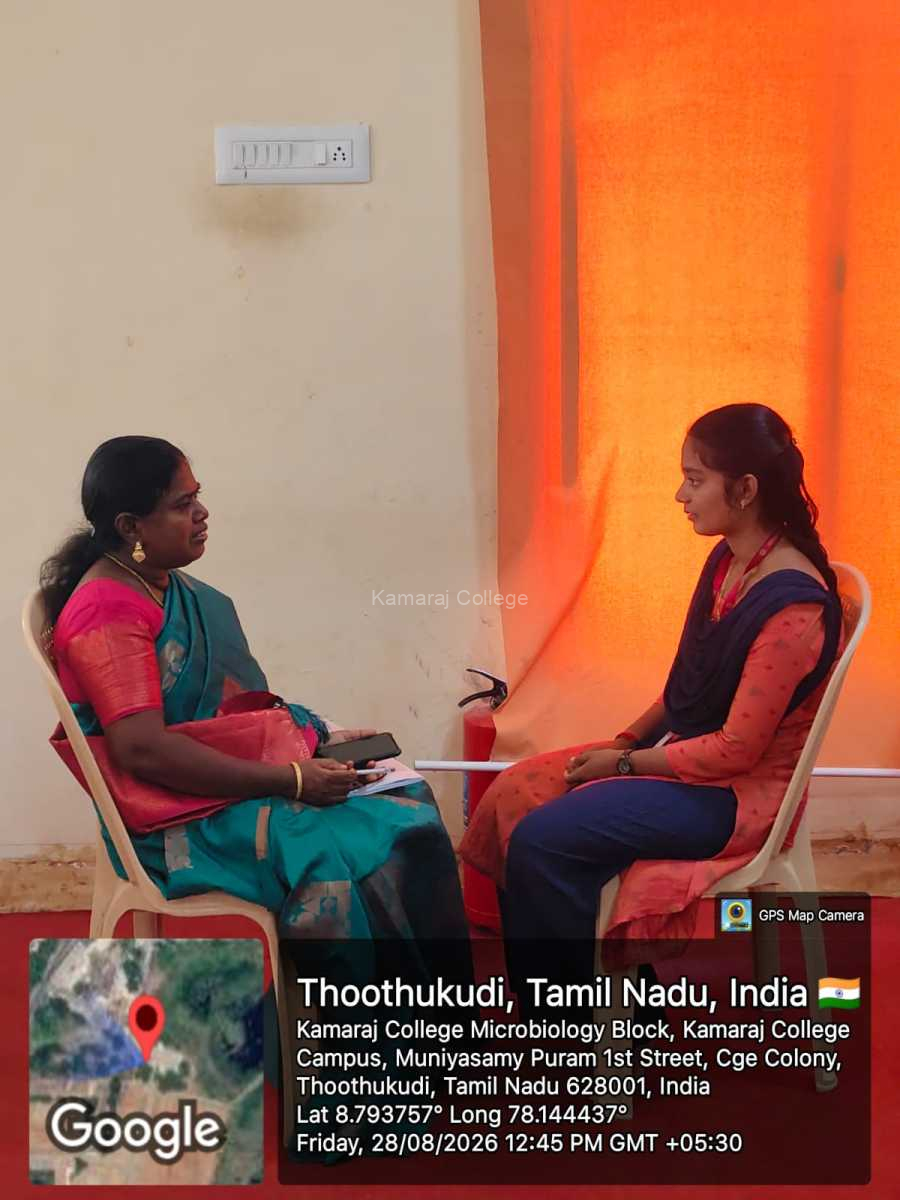
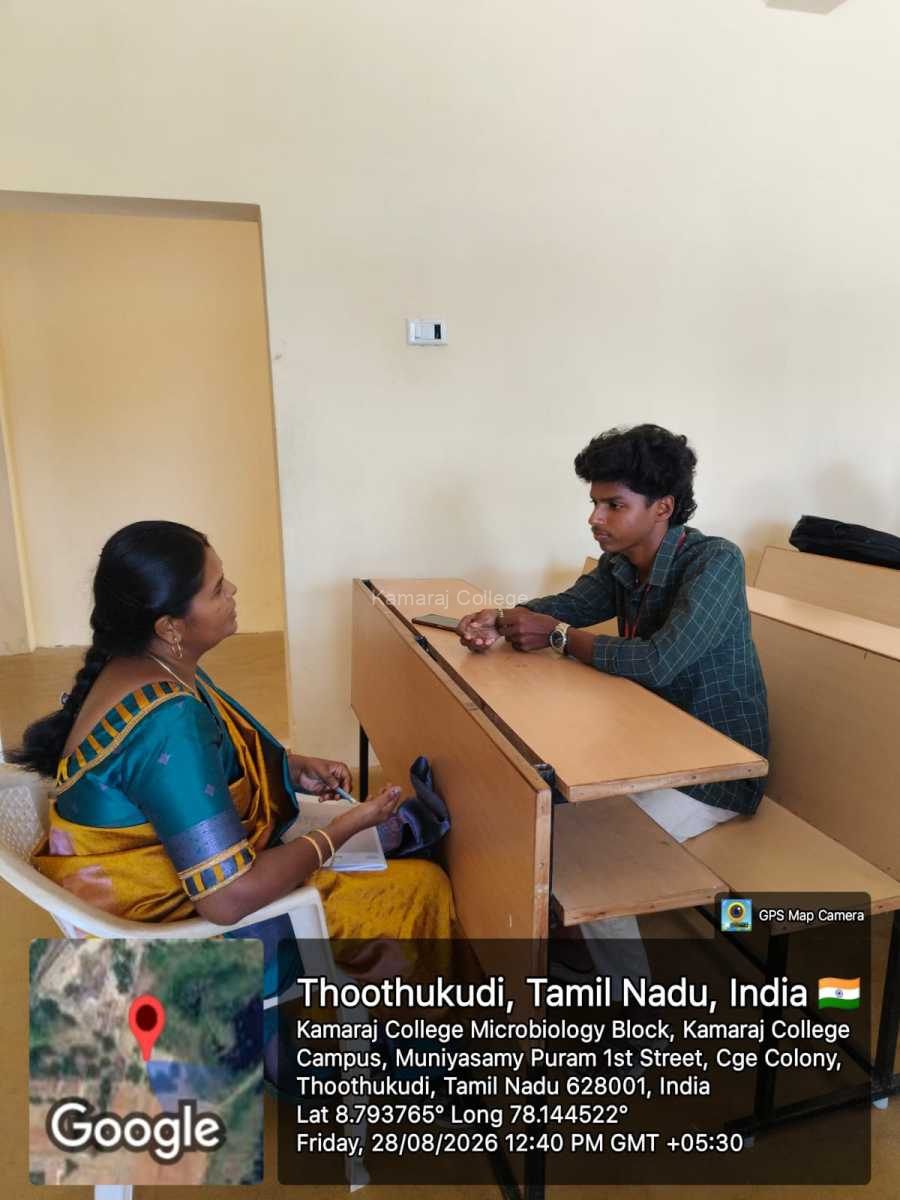
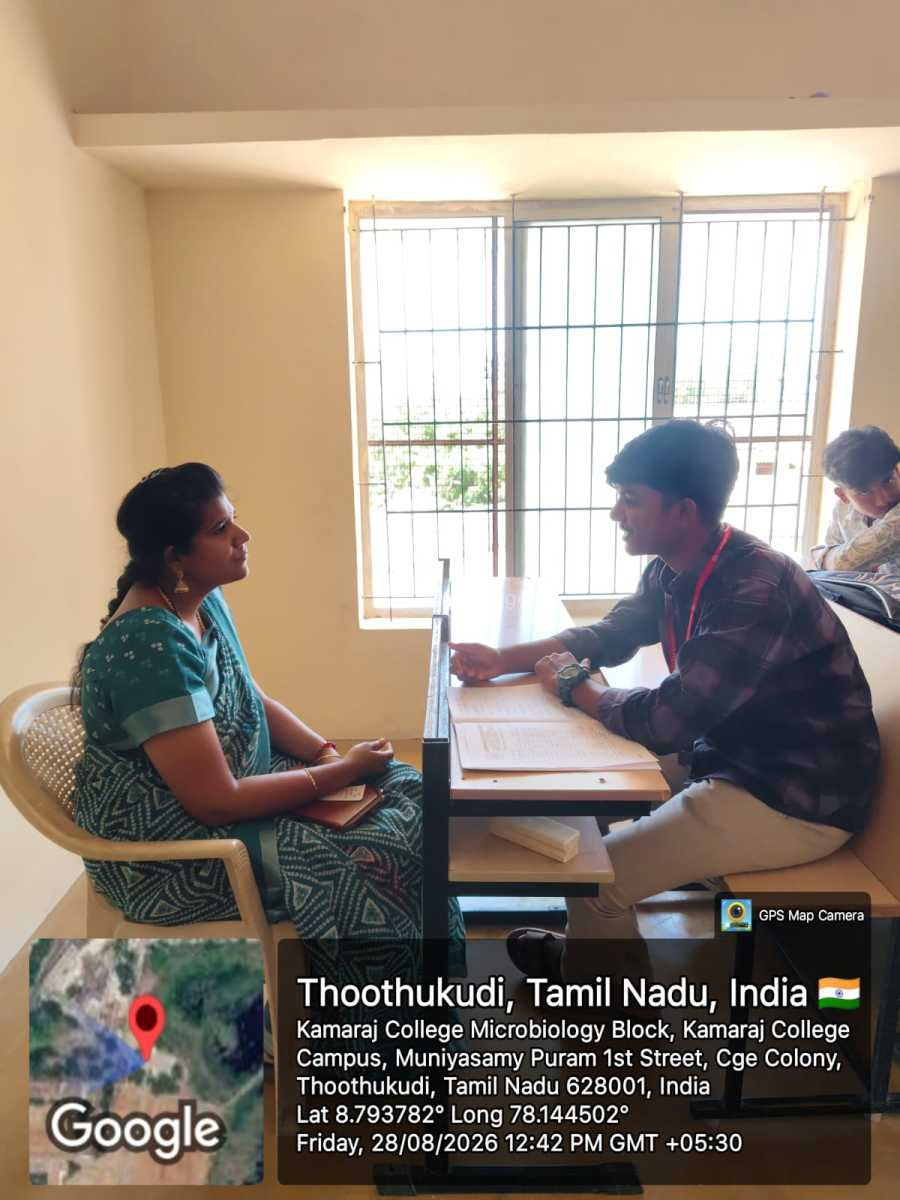
CS Mentoring was conducted by the Department of Computer Science (SF), Kamaraj College (Autonomous), Thoothukudi, on 28 August 2026 to review the overall progress and development of the students.
The Mentor–Mentee Meeting focused on three important areas of student life: academic performance, mental well-being, and participation in sports and cultural activities.
During the interaction, mentors reviewed the students’ progress and provided suitable suggestions for improvement. Furthermore, students were encouraged to maintain a healthy balance between academics and extracurricular activities.
Objectives of CS Mentoring
The CS Mentoring programme aimed to provide students with continuous guidance and support for their overall development.
The major objectives included:
- Review students’ academic performance
- Identify areas that require academic improvement
- Provide appropriate guidance and suggestions
- Create awareness about mental well-being
- Encourage participation in sports activities
- Promote involvement in cultural programmes
- Help students balance academics and extracurricular activities
- Strengthen interaction between mentors and mentees
- Support the holistic development of students
Thus, the programme focused on the complete development of students rather than academic performance alone.
Review of Academic Performance
Academic progress formed an important part of the Mentor–Mentee Meeting.
The mentors interacted with students and discussed their academic performance. Students were encouraged to identify the subjects and areas where they needed additional effort.
The mentors also provided suggestions to help students improve their academic performance.
Moreover, students were encouraged to maintain consistency in their studies and make effective use of the guidance available from faculty members.
Guidance for Academic Improvement
The mentors emphasized that academic improvement requires regular effort, proper planning and effective study habits.
Students were encouraged to approach their learning systematically and clarify their doubts whenever necessary.
The interaction also helped students understand that identifying difficulties early can make it easier to take corrective steps.
Therefore, students were motivated to take greater responsibility for their academic progress and work consistently towards improvement.
Focus on Mental Well-Being
An important aspect of the CS Mentoring session was the discussion on mental well-being.
The mentors emphasized that students need to take care of their well-being along with their academic responsibilities.
College life can involve academic commitments, examinations, assignments and other responsibilities. Therefore, students were encouraged to manage their activities effectively and maintain a balanced routine.
The interaction created an opportunity for students to understand the importance of approaching academic responsibilities with a positive and balanced mindset.
Importance of a Balanced Student Life
The mentors highlighted the importance of maintaining a proper balance between academics and extracurricular activities.
Students were encouraged to manage their time effectively so that they could focus on their studies while also participating in activities that contribute to their overall development.
A balanced approach can help students improve their confidence, communication and social interaction.
Furthermore, participation in different activities provides students with opportunities to discover and develop talents beyond the classroom.
Encouraging Participation in Sports
The meeting emphasized the value of sports participation as part of student development.
Students were encouraged to take an active interest in sports and physical activities.
Participation in sports can help students develop qualities such as:
- Teamwork
- Discipline
- Leadership
- Confidence
- Time management
- Competitive spirit
- Coordination
Therefore, the mentors encouraged students to make effective use of opportunities to participate in sports activities at the college level and beyond.
Encouraging Cultural Participation
The CS Mentoring session also encouraged students to participate actively in cultural activities.
Cultural programmes provide students with opportunities to express their talents and interact with their peers.
Moreover, participation can help students improve their confidence, creativity, communication and teamwork.
The mentors encouraged students to identify their talents and participate in suitable departmental and college-level programmes.
Learning Beyond the Classroom
The meeting highlighted that student development extends beyond regular classroom learning.
While academic achievement remains important, participation in sports, cultural programmes and other activities can contribute significantly to personality development.
Such activities allow students to interact with others, take responsibility and develop practical skills.
Consequently, the mentors encouraged students to view extracurricular participation as an important part of their college experience.
Strengthening the Mentor–Mentee Relationship
The Mentor–Mentee Meeting provided an opportunity to strengthen communication between faculty mentors and students.
Regular interaction enables mentors to understand the progress and needs of individual students.
At the same time, students can seek guidance when they face academic or other challenges.
This relationship creates a supportive environment in which students can discuss their progress and receive appropriate suggestions.
Thus, CS Mentoring serves as an important mechanism for continuous student support.
Promoting Holistic Development
The programme emphasized holistic student development by considering academics, mental well-being and extracurricular participation together.
Students were encouraged to develop themselves in different areas rather than concentrating only on examination performance.
The mentors highlighted the importance of becoming confident, responsible and well-rounded individuals.
Therefore, the meeting provided guidance that could support students throughout their academic journey.
Key Areas Discussed
The Mentor–Mentee Meeting focused on the following areas:
- Academic performance
- Academic improvement
- Mental well-being
- Sports participation
- Cultural activities
- Time management
- Balanced student life
- Extracurricular participation
- Overall student development
The discussion helped students understand that each of these areas contributes to a meaningful and productive college experience.
Programme Highlights
- Programme: Mentor–Mentee Meeting
- Date: 28 August 2026
- Organized by: Department of Computer Science (SF)
- Institution: Kamaraj College (Autonomous), Thoothukudi
- Academic Focus: Review and improvement of student performance
- Student Support: Mental well-being and balanced development
- Extracurricular Focus: Sports and cultural activities
- Overall Objective: Holistic development of students
Programme Outcomes
The CS Mentoring programme provided students with valuable guidance for their overall development.
Through the interaction, students:
- Reviewed their academic progress with mentors
- Received suggestions for improving academic performance
- Understood the importance of regular academic effort
- Recognised the importance of mental well-being
- Understood the need to balance different responsibilities
- Were encouraged to participate actively in sports
- Were motivated to participate in cultural activities
- Recognised the importance of extracurricular involvement
- Strengthened their interaction with faculty mentors
- Developed greater awareness of holistic development
Overall, the meeting provided a supportive platform for students to review their progress and receive guidance for continuous improvement.
Conclusion
The CS Mentoring programme conducted by the Department of Computer Science (SF), Kamaraj College (Autonomous), Thoothukudi, on 28 August 2026 was a meaningful initiative focused on the overall progress of students.
The mentors discussed academic performance, mental well-being, sports participation and cultural activities with the students.
Students received suitable suggestions to improve their academic performance. At the same time, they were encouraged to participate actively in sports and cultural activities.
Furthermore, the programme emphasized the importance of maintaining a healthy balance between academic responsibilities and extracurricular participation.
The meeting strengthened interaction between mentors and mentees and created an opportunity to identify areas where students required guidance and support.
Overall, the Mentor–Mentee Meeting successfully promoted academic improvement, balanced development, active participation and student well-being.
Internal Link
External Links
- University Grants Commission – Explore higher education initiatives and resources supporting student development.
- Ministry of Education, Government of India – Learn about initiatives supporting higher education, skills and holistic student development.