
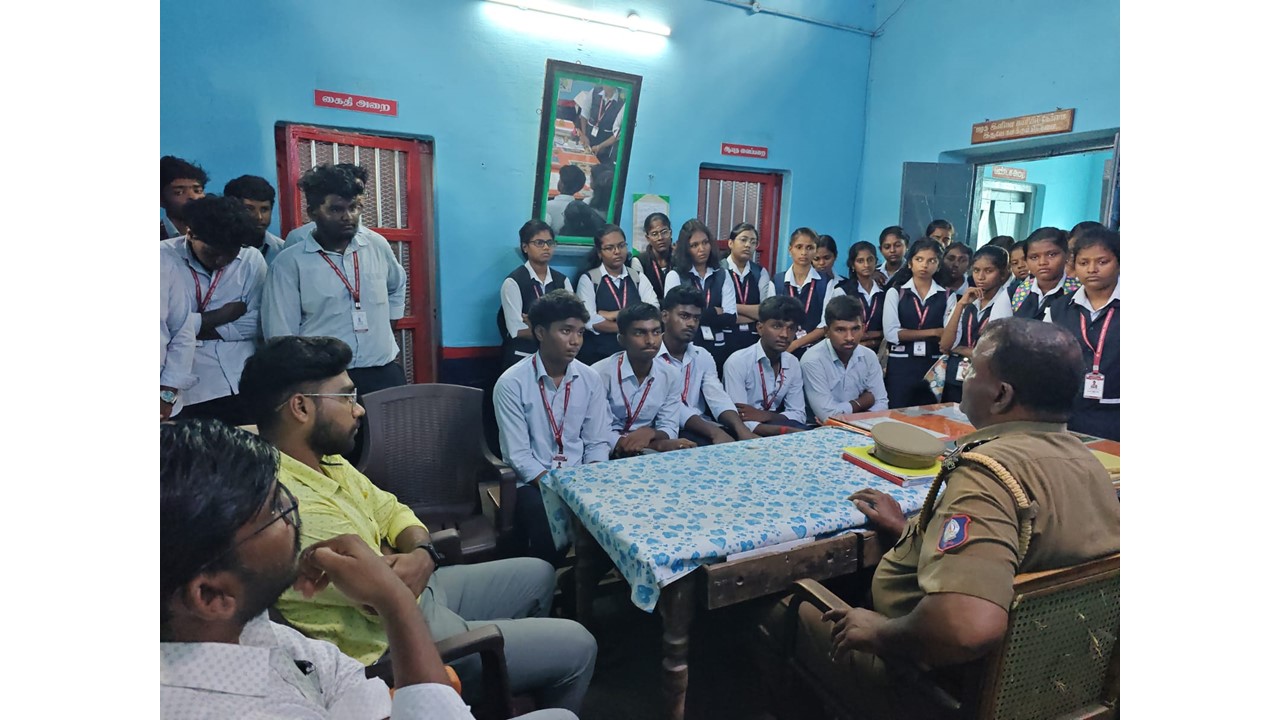
Criminology and Forensic Science Field Visit 2026: Valuable Exposure for 50 Students
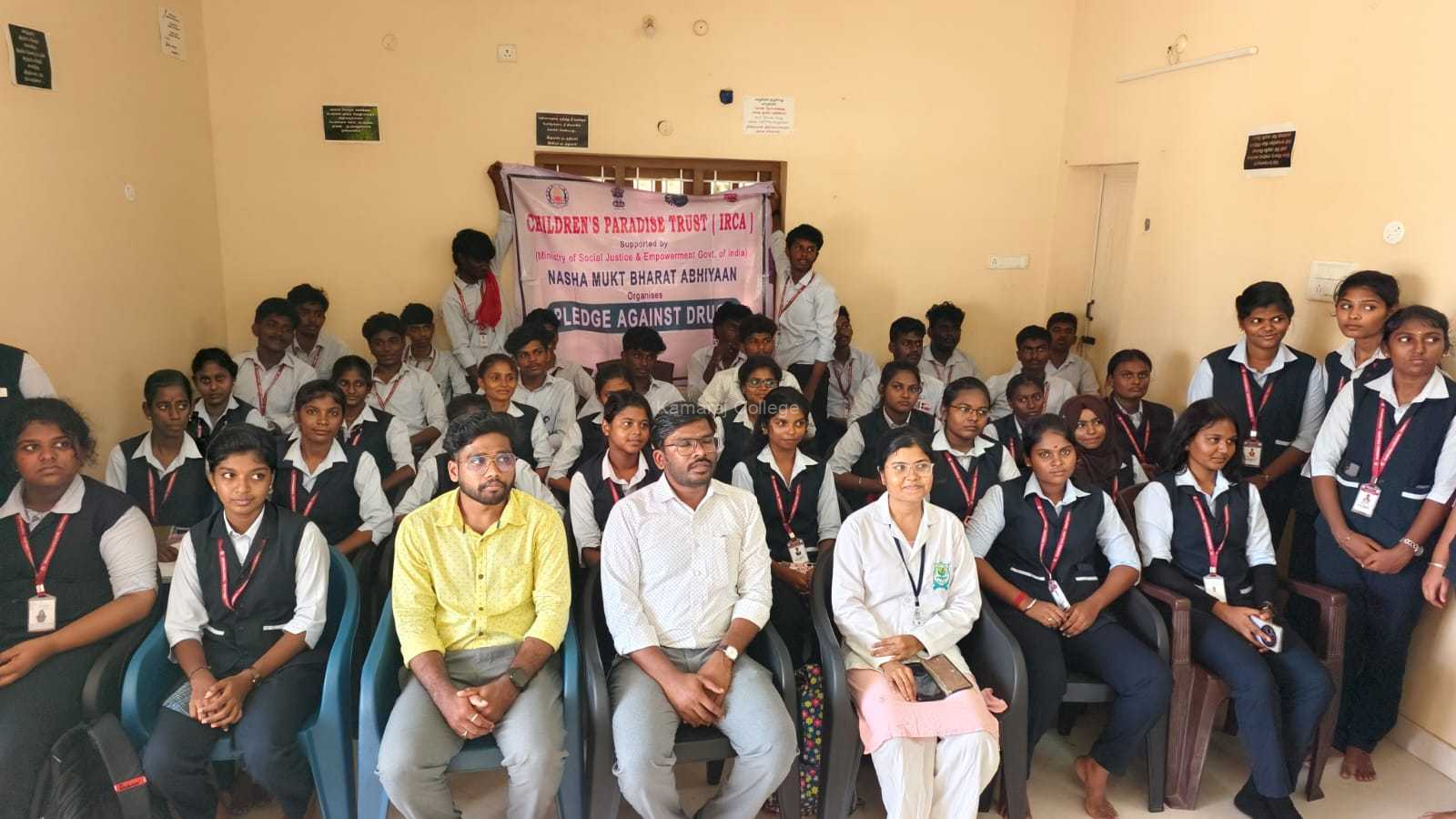
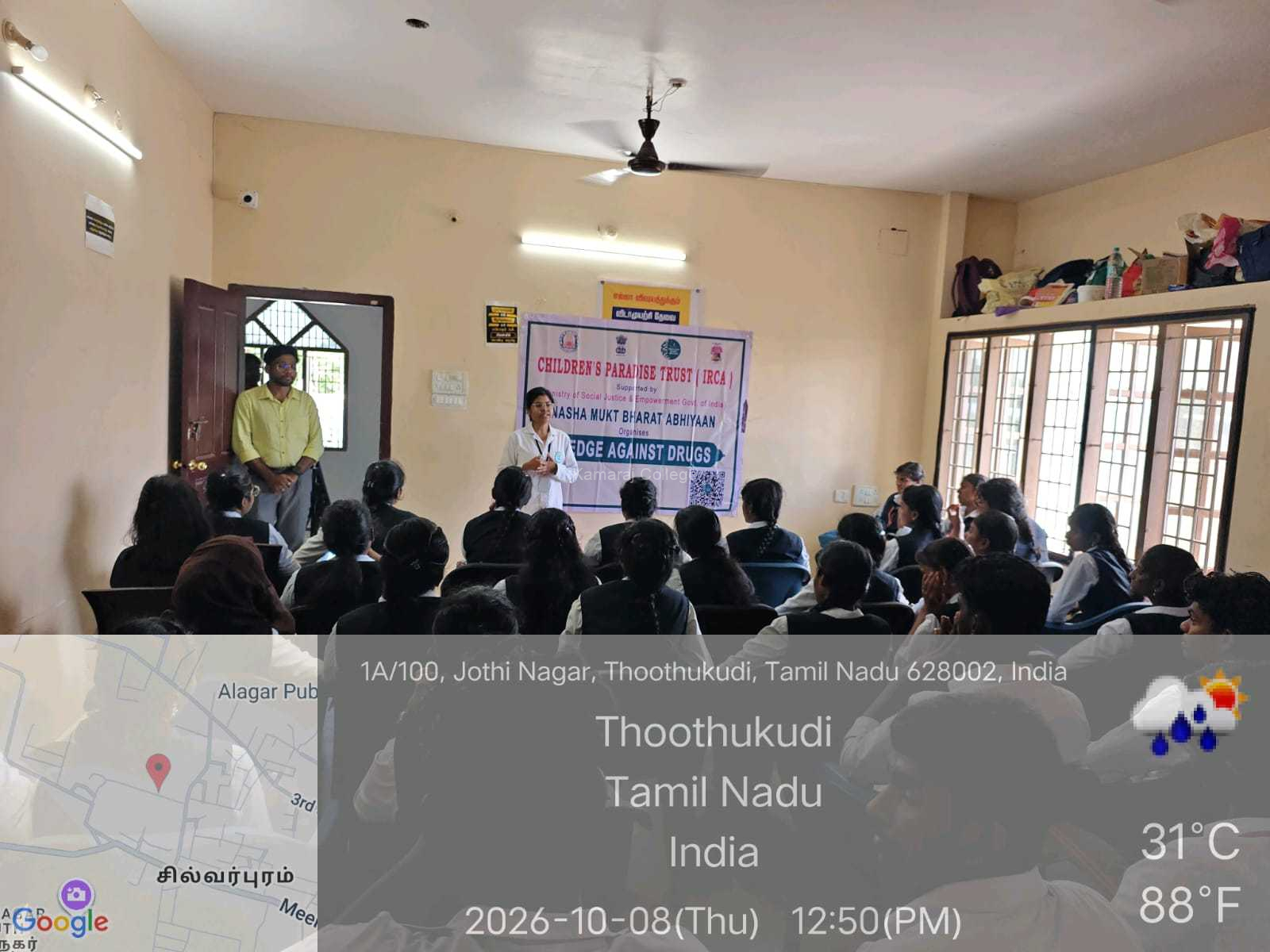
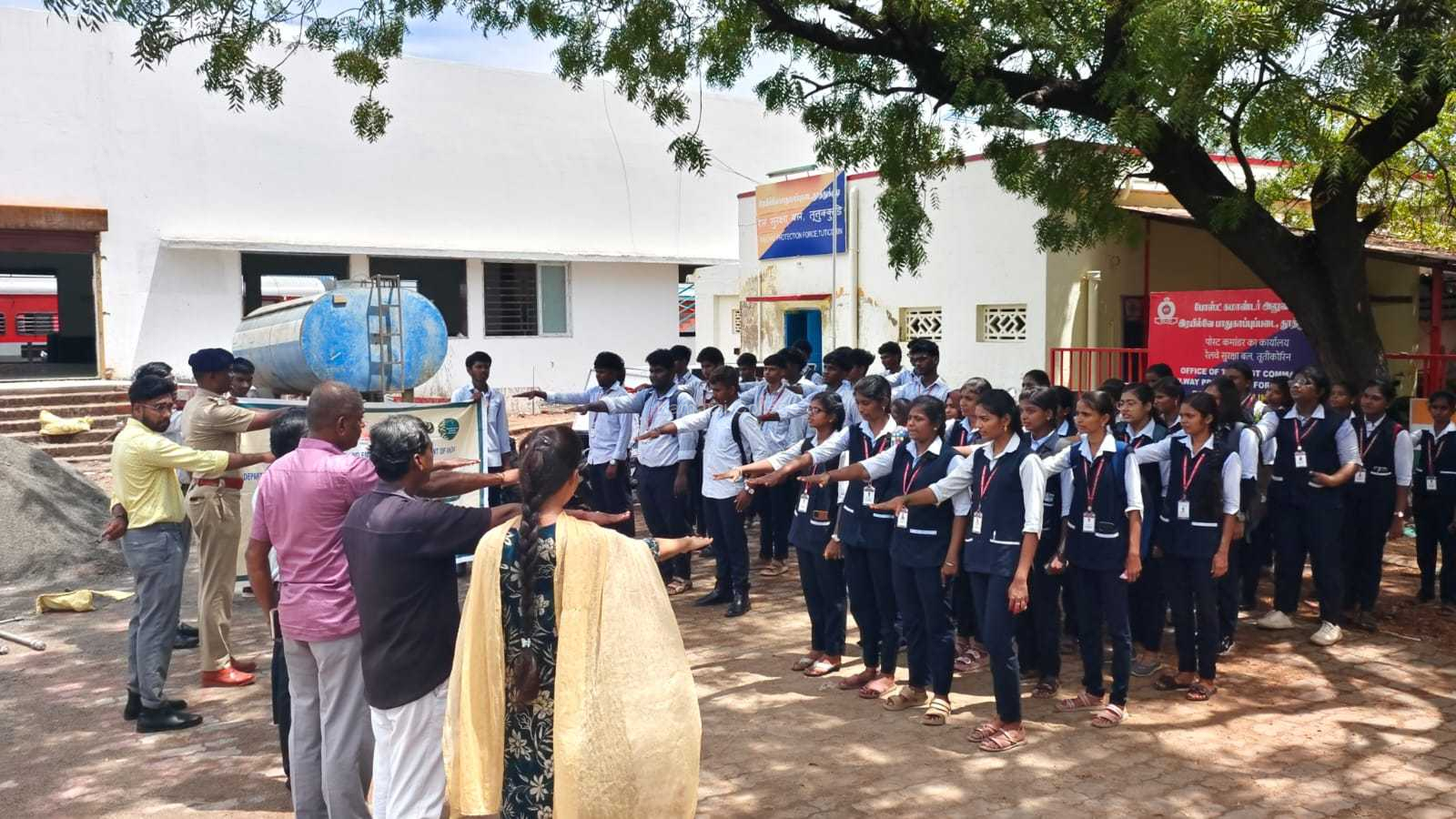
Criminology and Forensic Science Field Visit was conducted on 8 October 2026 for 50 first-year students of the Department of Criminology and Forensic Science. The experiential field exposure visit aimed to bridge theoretical classroom concepts with practical applications in specialised law enforcement agencies and correctional and rehabilitative institutions.
The visit provided students with an opportunity to understand the operational responsibilities of railway law enforcement agencies and gain exposure to substance abuse rehabilitation procedures. It helped them connect academic knowledge with practical aspects of criminal justice, victimology and behavioural criminology.
The programme was conducted under the guidance of Mr. Ramesh Kannan, Head of the Department, and Mr. Riyas N, Assistant Professor, Department of Criminology and Forensic Science.
Criminology and Forensic Science Field Visit 2026
The Criminology and Forensic Science Field Visit was designed to provide first-year students with experiential learning opportunities beyond the classroom.
The visit focused on two important areas of criminological study: railway law enforcement and substance abuse rehabilitation.
By observing the operational structure of specialised agencies and learning about rehabilitation procedures, students gained a broader understanding of the practical dimensions of criminology and forensic science.
The field exposure encouraged students to recognise the relationship between law enforcement, public safety, criminal behaviour and rehabilitation.
Understanding Railway Law Enforcement
An important component of the field visit was understanding the law enforcement framework associated with Indian Railways.
Students were introduced to the operational responsibilities of two major railway security and policing agencies: the Railway Protection Force (RPF) and the Government Railway Police (GRP).
The exposure helped students understand how different agencies function within the railway system and contribute to maintaining security, public order and passenger safety.
The session highlighted the importance of clearly defined jurisdictional responsibilities in effective law enforcement.
Role of the Railway Protection Force
The Railway Protection Force (RPF) plays an important role in protecting railway property and supporting passenger security.
During the field exposure, students gained an understanding of the responsibilities associated with safeguarding railway assets and maintaining security within the railway environment.
The visit provided an opportunity to relate classroom concepts of institutional security, crime prevention and protective policing to the railway system.
Students developed an appreciation of the importance of coordinated security arrangements in a major public transport network.
Understanding the Government Railway Police
The Government Railway Police (GRP) is responsible for policing and investigating crimes within its railway jurisdiction under the respective state police administration.
The field visit helped students distinguish the responsibilities of the GRP from those of the RPF.
This distinction is particularly important for criminology students because it demonstrates how jurisdiction, investigative authority and organisational responsibilities influence law enforcement operations.
The exposure strengthened students’ understanding of the criminal justice system and the role of specialised policing agencies.
Distinguishing the Roles of RPF and GRP
A major learning objective of the Criminology and Forensic Science Field Visit was to understand the different jurisdictional roles of the RPF and GRP.
Although both agencies contribute to railway security, their legal powers and operational responsibilities differ.
- Railway Protection Force: Focuses on the protection of railway property and passenger security within its statutory responsibilities.
- Government Railway Police: Undertakes regular policing functions, including the registration and investigation of crimes within its railway jurisdiction.
- Jurisdictional Understanding: Helps students recognise how responsibilities are assigned to different law enforcement agencies.
- Operational Coordination: Highlights the importance of cooperation between agencies in maintaining railway safety and security.
Understanding these distinctions provided students with practical context for studying policing structures, criminal investigation and public safety administration.
Practical Exposure to Criminal Justice Administration
The railway law enforcement component of the visit helped students connect theoretical knowledge with the administrative and operational aspects of policing.
Students gained a clearer understanding of how specialised agencies contribute to public safety and the protection of essential infrastructure.
The exposure demonstrated the importance of jurisdictional clarity, organisational coordination and legal responsibilities in criminal justice administration.
Such learning experiences are valuable for students preparing to study advanced topics in criminology, forensic investigation and law enforcement.
Exposure to Substance Abuse Rehabilitation
Another important component of the field visit was an operational overview of substance abuse rehabilitation procedures.
The exposure introduced students to the rehabilitative dimensions of criminology and the importance of understanding individuals affected by substance dependence.
Students were encouraged to recognise that criminological study extends beyond crime prevention and investigation to include behavioural understanding, rehabilitation and social reintegration.
The visit helped them appreciate the significance of rehabilitation-oriented approaches within the broader criminal justice and social welfare framework.
Understanding Rehabilitation Procedures
The rehabilitation component provided students with an overview of the procedures and institutional approaches associated with substance abuse recovery.
The exposure highlighted the importance of structured support and rehabilitation in addressing substance-related behavioural and social challenges.
Students gained an understanding of the need to approach substance abuse through appropriate professional intervention and rehabilitative support.
This experience complemented their classroom learning by introducing them to the practical considerations involved in rehabilitation-oriented institutions.
Connecting Field Exposure with Victimology
The Criminology and Forensic Science Field Visit supported students’ understanding of victimology, an important area of criminological study.
Victimology examines the experiences, vulnerabilities and needs of individuals affected by crime and related social circumstances.
The rehabilitation exposure encouraged students to consider the human and social dimensions of substance abuse and the importance of understanding vulnerable individuals.
It reinforced the value of empathy, professional responsibility and a balanced approach when examining issues related to crime and rehabilitation.
Understanding Behavioural Criminology
The visit provided valuable context for understanding behavioural criminology and the relationship between individual behaviour and social circumstances.
Students were encouraged to consider the importance of behavioural factors when studying substance abuse, rehabilitation and related criminological issues.
The experience helped them connect theoretical discussions about behaviour with the practical challenges addressed by rehabilitative institutions.
It demonstrated the importance of adopting an informed and sensitive approach when studying individuals affected by substance dependence.
Bridging Classroom Learning and Practical Experience
A central objective of the Criminology and Forensic Science Field Visit was to bridge the gap between academic concepts and real-world institutional practices.
Classroom learning introduces students to theories of crime, policing, criminal behaviour and rehabilitation. Field exposure helps them understand how these concepts relate to actual institutional responsibilities and procedures.
The visit encouraged students to develop observational skills and a deeper appreciation of the practical applications of their academic discipline.
For first-year students, such exposure provides a useful foundation for further study in criminology and forensic science.
Guidance of Department Faculty Members
The field visit was conducted under the guidance of Mr. Ramesh Kannan, Head of the Department of Criminology and Forensic Science, and Mr. Riyas N, Assistant Professor.
Their guidance supported the educational objectives of the visit and helped students relate the field exposure to their academic curriculum.
The involvement of the department faculty members reinforced the importance of experiential learning in developing students’ understanding of specialised professional institutions.
Objectives of the Field Visit
The major objectives of the programme were:
- Provide experiential learning opportunities for first-year criminology and forensic science students
- Bridge theoretical classroom concepts with practical institutional applications
- Introduce students to specialised railway law enforcement agencies
- Explain the jurisdictional differences between the RPF and GRP
- Develop an understanding of railway security and passenger safety responsibilities
- Provide exposure to substance abuse rehabilitation procedures
- Strengthen students’ understanding of victimology
- Connect behavioural criminology concepts with rehabilitation practices
- Encourage observation, analytical thinking and professional awareness
- Promote a broader understanding of criminal justice and rehabilitation systems
Programme Highlights
- Programme: Experiential Field Exposure Visit
- Date: 8 October 2026
- Department: Criminology and Forensic Science
- Participants: 50 First-Year Students
- Field Exposure: Railway Law Enforcement and Substance Abuse Rehabilitation
- Law Enforcement Agencies Studied: Railway Protection Force (RPF) and Government Railway Police (GRP)
- Key Focus: Jurisdictional Responsibilities, Railway Security and Passenger Safety
- Rehabilitation Focus: Substance Abuse Rehabilitation Procedures
- Academic Areas: Criminal Justice, Victimology and Behavioural Criminology
- Faculty Guidance: Mr. Ramesh Kannan, Head of the Department
- Faculty Guidance: Mr. Riyas N, Assistant Professor
Learning Outcomes
The Criminology and Forensic Science Field Visit provided students with opportunities to:
- Understand the operational structure of railway law enforcement agencies
- Distinguish between the jurisdictional responsibilities of the RPF and GRP
- Recognise the importance of railway security and passenger safety
- Connect policing concepts with institutional responsibilities
- Gain introductory knowledge of substance abuse rehabilitation procedures
- Understand the relevance of victimology in rehabilitation-related contexts
- Relate behavioural criminology concepts to practical situations
- Develop greater awareness of law enforcement and rehabilitation systems
- Strengthen observational and analytical thinking skills
- Appreciate the importance of experiential learning in criminology and forensic science
Importance of Experiential Learning
Experiential learning plays an important role in professional education, particularly in disciplines such as criminology and forensic science.
The field visit helped students recognise that effective criminological understanding requires both theoretical knowledge and awareness of institutional practices.
Exposure to railway policing and rehabilitation procedures provided two different but complementary perspectives on the criminal justice system.
While railway law enforcement demonstrated the importance of security and jurisdiction, rehabilitation exposure highlighted the human and behavioural dimensions of criminology.
Conclusion
The Criminology and Forensic Science Field Visit, conducted on 8 October 2026, provided meaningful experiential learning opportunities for 50 first-year students of the Department of Criminology and Forensic Science.
The visit enabled students to understand the distinct operational responsibilities of the Railway Protection Force and Government Railway Police, particularly in relation to railway security, passenger safety and law enforcement jurisdiction.
The exposure to substance abuse rehabilitation procedures further strengthened their understanding of victimology, behavioural criminology and rehabilitation-oriented institutional practices.
Under the guidance of Mr. Ramesh Kannan, Head of the Department, and Mr. Riyas N, Assistant Professor, the programme connected classroom concepts with practical professional exposure.
Overall, the Criminology and Forensic Science Field Visit contributed to the academic development of the participating students by broadening their understanding of criminal justice administration, specialised law enforcement and rehabilitation.
Internal Link
- Kamaraj College (Autonomous), Thoothukudi – Explore more departmental activities, field visits and experiential learning initiatives.
External Links
- Railway Protection Force – Information on railway security and the responsibilities of the Railway Protection Force.
- Indian Railways – Official information on the Indian railway system and its operations.
- Ministry of Social Justice and Empowerment – Information on social welfare and substance abuse prevention and rehabilitation initiatives.