
Coastal Cleanup Drive 2026: Powerful 308 Kg Marine Debris Removal

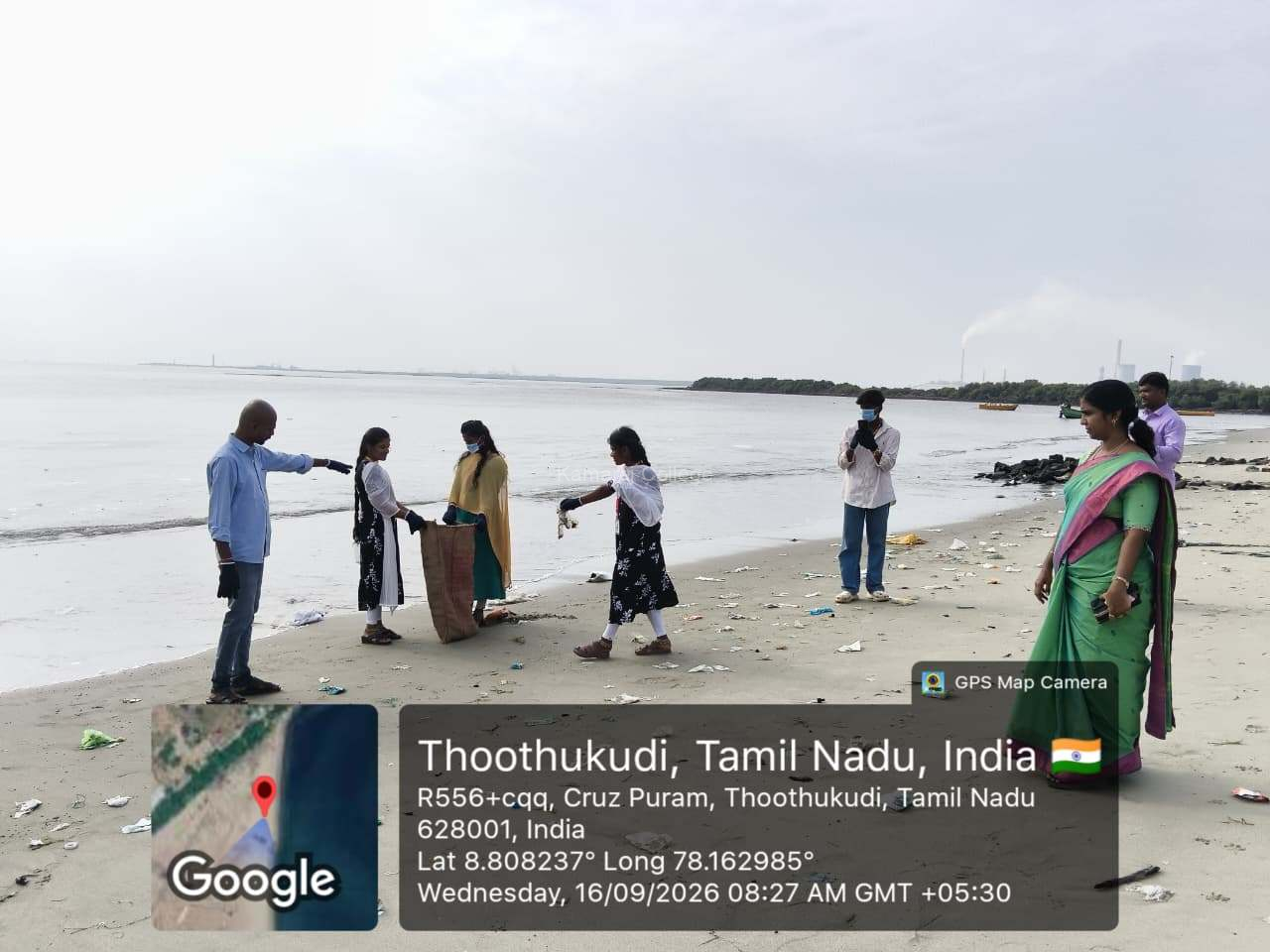
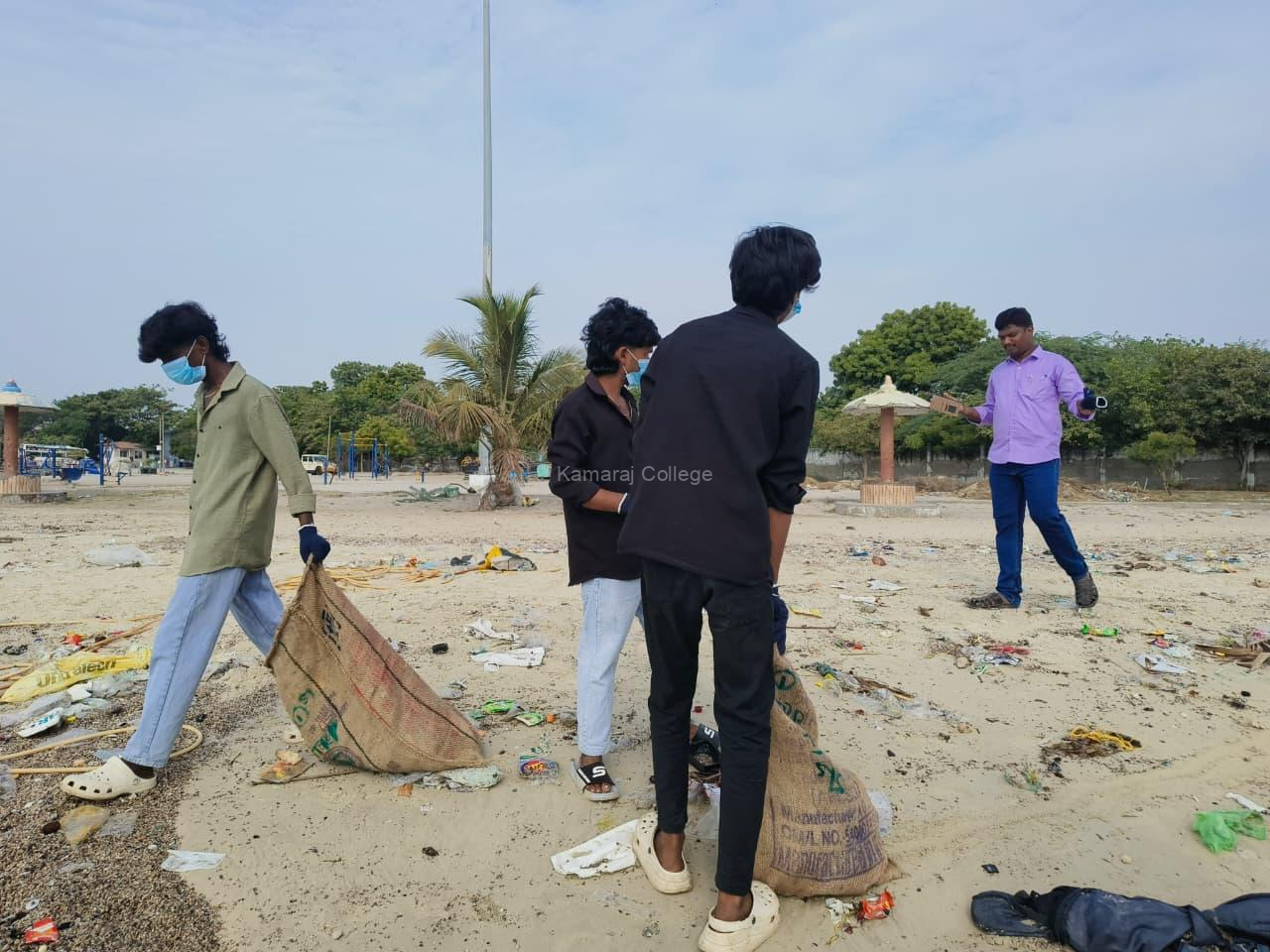
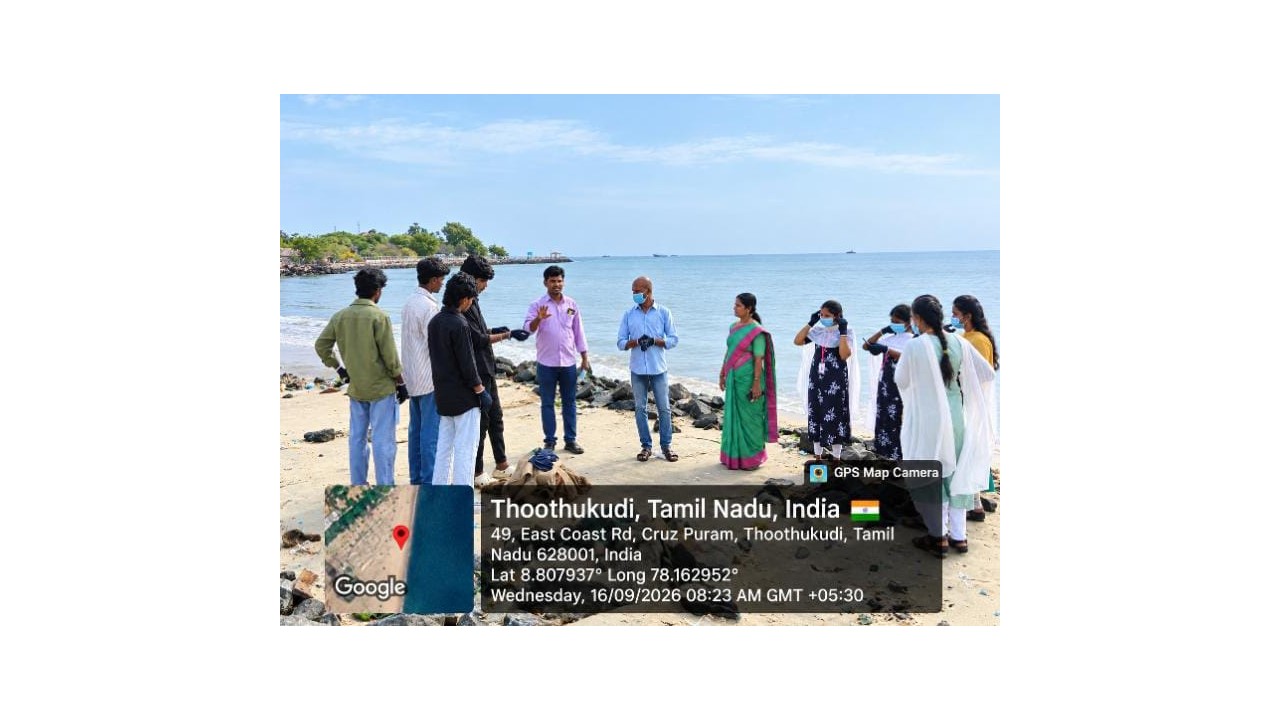
Coastal Cleanup Drive was successfully organised at Muthu Nagar Beach, Thoothukudi District, on 16 September 2026 as part of International Coastal Cleanup Day (ICCD) 2026. The programme was organised by M. S. Swaminathan Research Foundation (MSSRF) in collaboration with HCL Foundation and the Department of Zoology, Kamaraj College (Autonomous), Thoothukudi.
A total of 35 participants actively participated in the environmental initiative and cleaned approximately 1 km of the beach stretch. During the drive, an impressive 308 kg of marine debris was collected, including 120 kg of ghost ropes and discarded fishing nets. The programme demonstrated the collective commitment of students and participating organisations towards maintaining clean, healthy and sustainable coastal ecosystems.
Coastal Cleanup Drive at Muthu Nagar Beach
The programme brought together college students for direct participation in coastal conservation.
Thoothukudi’s coastline supports marine biodiversity and coastal communities, making the protection of beaches and marine habitats an important environmental responsibility.
The cleanup activity provided participants with practical exposure to the problem of marine litter and demonstrated how collective action can contribute to protecting coastal ecosystems.
International Coastal Cleanup Day 2026
The programme was conducted as part of International Coastal Cleanup Day (ICCD) 2026 activities.
The initiative focused on creating awareness about marine debris and encouraging students to participate directly in protecting the coastal environment.
Rather than limiting environmental awareness to discussions, the programme enabled participants to take practical action by identifying, collecting and removing waste from the beach.
Objectives of the Coastal Cleanup Drive
The programme was organised with the objective of promoting coastal conservation and environmental responsibility among young people.
The major objectives were:
- Create awareness about marine pollution
- Promote clean and healthy coastal ecosystems
- Encourage students to participate in coastal conservation
- Remove marine debris from the beach environment
- Create awareness about discarded fishing gear and ghost nets
- Develop environmental responsibility among students
- Encourage collective action for marine conservation
- Promote responsible waste management practices
- Protect coastal and marine biodiversity
- Strengthen collaboration in environmental conservation
35 Participants Join the Environmental Initiative
A total of 35 participants actively took part in the Coastal Cleanup Drive.
The involvement of college students reflected the importance of youth participation in environmental conservation.
The activity gave participants first-hand experience of the quantity and types of waste that can accumulate along coastal areas.
Working together, the participants systematically cleaned the selected stretch of Muthu Nagar Beach.
One Kilometre Beach Stretch Covered
The participants covered approximately 1 km of the beach stretch during the cleanup activity.
Covering a substantial section of the coastline enabled the team to identify and remove different categories of marine debris.
The activity demonstrated how organised community participation can make a visible contribution to improving the cleanliness of coastal spaces.
It also helped participants understand that marine pollution requires sustained attention and responsible behaviour.
308 Kg of Marine Debris Collected
One of the major outcomes of the programme was the collection of 308 kg of marine debris from the beach.
The quantity of waste collected highlighted the scale of litter that can accumulate in coastal environments.
Removing such debris contributes to a cleaner beach environment while also drawing attention to the need to prevent waste from entering coastal and marine ecosystems.
The cleanup therefore served both an immediate environmental purpose and a broader awareness-building objective.
120 Kg of Ghost Ropes and Fishing Nets Removed
Of the total 308 kg of marine debris collected, 120 kg consisted of ghost ropes and fishing nets.
Discarded or lost fishing gear is a significant concern in marine environments because it can remain in the ecosystem and affect marine organisms.
The removal of these materials was therefore an important component of the cleanup activity.
The finding also helped participants understand the connection between human activities, waste management and marine ecosystem health.
Understanding Marine Debris
The Coastal Cleanup Drive offered students practical insight into the problem of marine debris.
Waste left on beaches or entering the marine environment can affect coastal cleanliness, habitats and marine organisms.
By directly participating in debris collection, students were able to observe the issue rather than learning about marine pollution only in theory.
This experiential approach strengthened the environmental significance of the programme.
Importance of Ghost Gear Awareness
The substantial quantity of ropes and fishing nets collected during the programme highlighted the importance of awareness about discarded fishing gear.
Such materials can persist in the marine environment and may pose risks to aquatic organisms.
The cleanup helped draw attention to the need for responsible handling and disposal of fishing-related materials.
It also demonstrated the importance of cooperation among educational institutions, communities and other stakeholders in protecting coastal resources.
Role of Kamaraj College Faculty
Faculty members from Kamaraj College (Autonomous), Thoothukudi, participated in and supported the environmental initiative.
The programme was inaugurated with the participation of:
- Dr. J. Nagarajan – Assistant Professor
- Dr. S. Nazarath Nisha – Assistant Professor
Their presence and encouragement motivated the students to participate actively in the cleanup and understand the importance of coastal conservation and marine environmental protection.
Collaboration for Coastal Conservation
The programme reflected the value of institutional collaboration in addressing environmental challenges.
The initiative brought together:
- M. S. Swaminathan Research Foundation (MSSRF)
- HCL Foundation
- Department of Zoology, Kamaraj College (Autonomous), Thoothukudi
- College Students
Such collaborative initiatives can combine environmental expertise, institutional support and youth participation to create meaningful conservation outcomes.
Students as Partners in Marine Conservation
Student participation was central to the success of the programme.
Young people can play an important role in spreading awareness about environmental issues within their institutions, families and communities.
By participating directly in the beach cleanup, students experienced the responsibility involved in maintaining public and natural spaces.
The programme encouraged them to become more conscious about waste generation, disposal practices and the impact of litter on the environment.
Experiential Environmental Learning
The cleanup drive served as an example of learning through practical experience.
Students were able to connect concepts related to marine biology, pollution, waste management, biodiversity and environmental conservation with actual conditions observed on the beach.
Such field-based activities complement classroom learning and help students understand the practical dimensions of environmental issues.
The initiative therefore combined community service with environmental education.
Promoting Responsible Waste Management
An important message of the programme was the need to prevent waste from reaching beaches and marine environments.
Cleanup activities can remove existing debris, but long-term coastal protection also requires responsible waste disposal and reduction of litter at its source.
The programme encouraged participants to recognise their individual role in maintaining clean surroundings and protecting natural resources.
Protecting Coastal Ecosystems
Healthy coastal ecosystems are important for biodiversity as well as the communities that depend on marine resources.
Marine debris can affect the quality of coastal habitats and create risks for wildlife.
The Coastal Cleanup Drive therefore reinforced the need for regular conservation efforts and greater public awareness.
The participation of students demonstrated how youth engagement can contribute meaningfully to environmental protection.
Major Cleanup Achievements
- Participants: 35
- Beach Stretch Covered: Approximately 1 km
- Total Marine Debris Collected: 308 kg
- Ghost Ropes and Fishing Nets: 120 kg
- Location: Muthu Nagar Beach, Thoothukudi District
- Date: 16 September 2026
The measurable results demonstrated the practical environmental impact of the programme.
Programme Highlights
- Programme: International Coastal Cleanup Day 2026 – Beach Cleanup Drive
- Date: 16 September 2026
- Venue: Muthu Nagar Beach, Thoothukudi District
- Organised by: M. S. Swaminathan Research Foundation (MSSRF)
- In Collaboration with: HCL Foundation and Department of Zoology, Kamaraj College
- Participants: 35
- Area Covered: Approximately 1 km
- Marine Debris Removed: 308 kg
- Ghost Ropes and Fishing Nets Removed: 120 kg
- Faculty Participation: Dr. J. Nagarajan and Dr. S. Nazarath Nisha
- Major Focus: Coastal Conservation and Marine Environmental Protection
Programme Outcomes
Through the Coastal Cleanup Drive, participants:
- Removed 308 kg of marine debris from the beach
- Removed 120 kg of ghost ropes and fishing nets
- Cleaned approximately 1 km of the coastline
- Gained practical awareness about marine pollution
- Understood the environmental concerns associated with discarded fishing gear
- Developed greater awareness about coastal ecosystem protection
- Experienced environmental conservation through direct participation
- Recognised the importance of responsible waste management
- Strengthened their sense of environmental responsibility
- Contributed collectively towards a cleaner coastal environment
Conclusion
The Coastal Cleanup Drive conducted at Muthu Nagar Beach, Thoothukudi District, on 16 September 2026 as part of International Coastal Cleanup Day 2026 successfully combined environmental awareness with meaningful field action.
Organised by MSSRF in collaboration with HCL Foundation and the Department of Zoology, Kamaraj College (Autonomous), Thoothukudi, the programme brought together 35 participants who cleaned approximately 1 km of the beach.
The collection of 308 kg of marine debris, including 120 kg of ghost ropes and fishing nets, highlighted both the scale of coastal waste and the importance of continued conservation efforts.
The participation and encouragement of Dr. J. Nagarajan and Dr. S. Nazarath Nisha further motivated the students to recognise their responsibility towards the marine environment.
The programme successfully promoted coastal conservation, marine pollution awareness, responsible waste management and active youth participation, demonstrating how collective action can contribute to cleaner and healthier coastal ecosystems.
Internal Link
- Explore Kamaraj College – Learn more about environmental awareness, field activities and student development programmes at Kamaraj College.
External Links
- M. S. Swaminathan Research Foundation – Explore research and initiatives related to sustainable development, biodiversity and coastal communities.
- United Nations Environment Programme – Learn more about global efforts to address marine pollution and protect ecosystems.