
Aptitude Skills 2026: Powerful Training for Competitive Exams
Aptitude Skills Programme for Competitive Exams
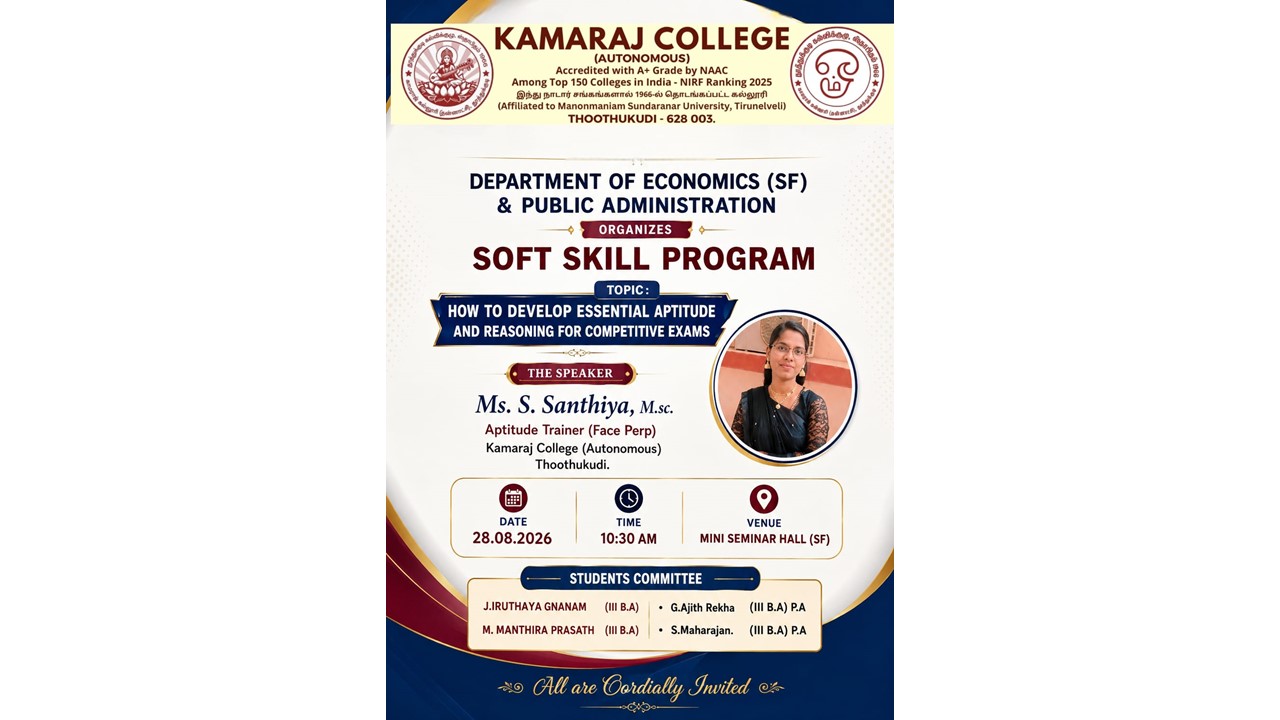
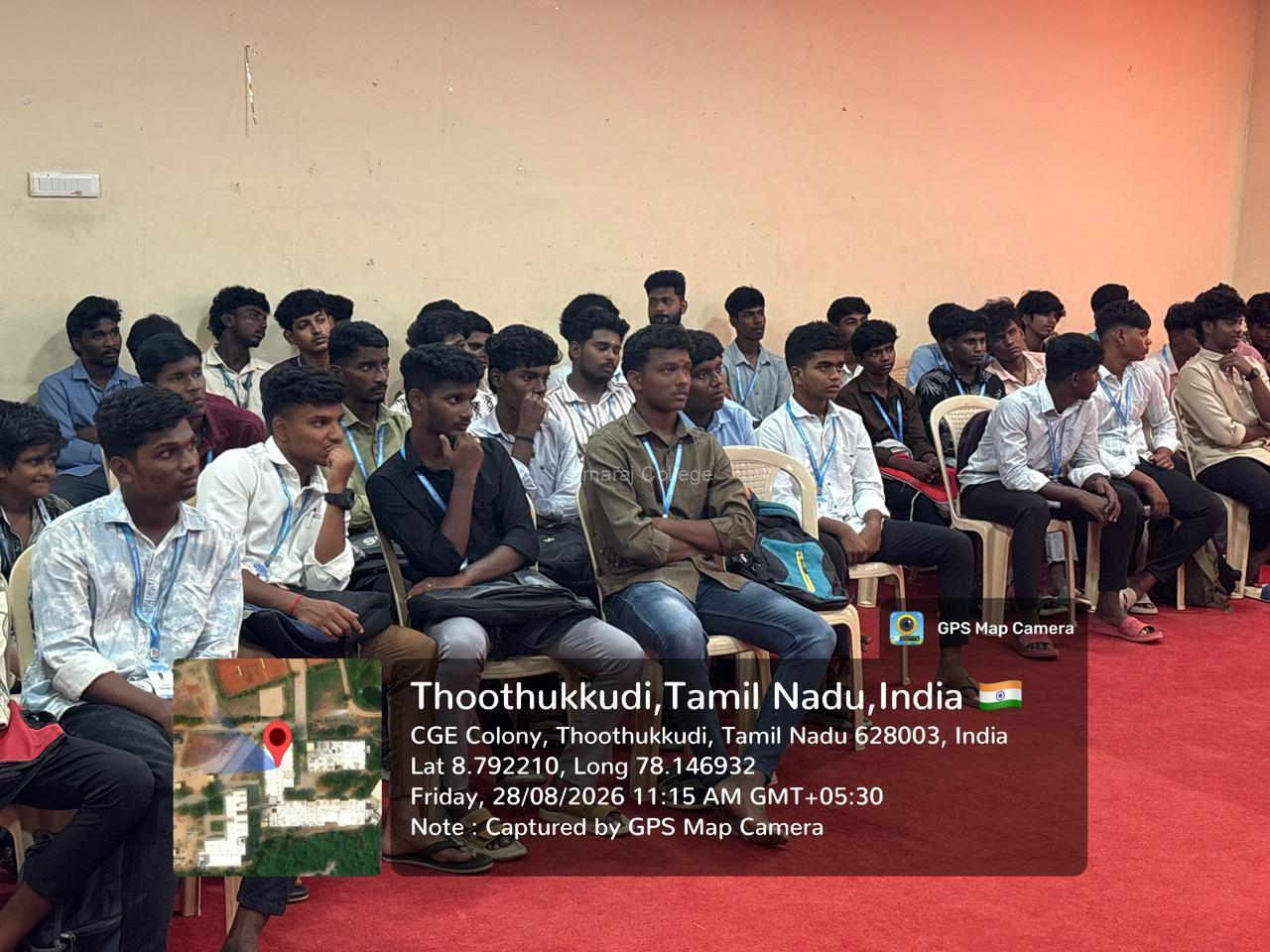
Aptitude Skills were the focus of a Soft Skill Programme organized by the Department of Economics (SF) and Public Administration, Kamaraj College (Autonomous), Thoothukudi, on 28 August 2026 at 10.30 a.m. in the Mini Seminar Hall (SF).
The programme was titled “How to Develop Essential Aptitude and Reasoning for Competitive Exams.” It aimed to prepare students for competitive examinations while strengthening their analytical, interpersonal and professional abilities.
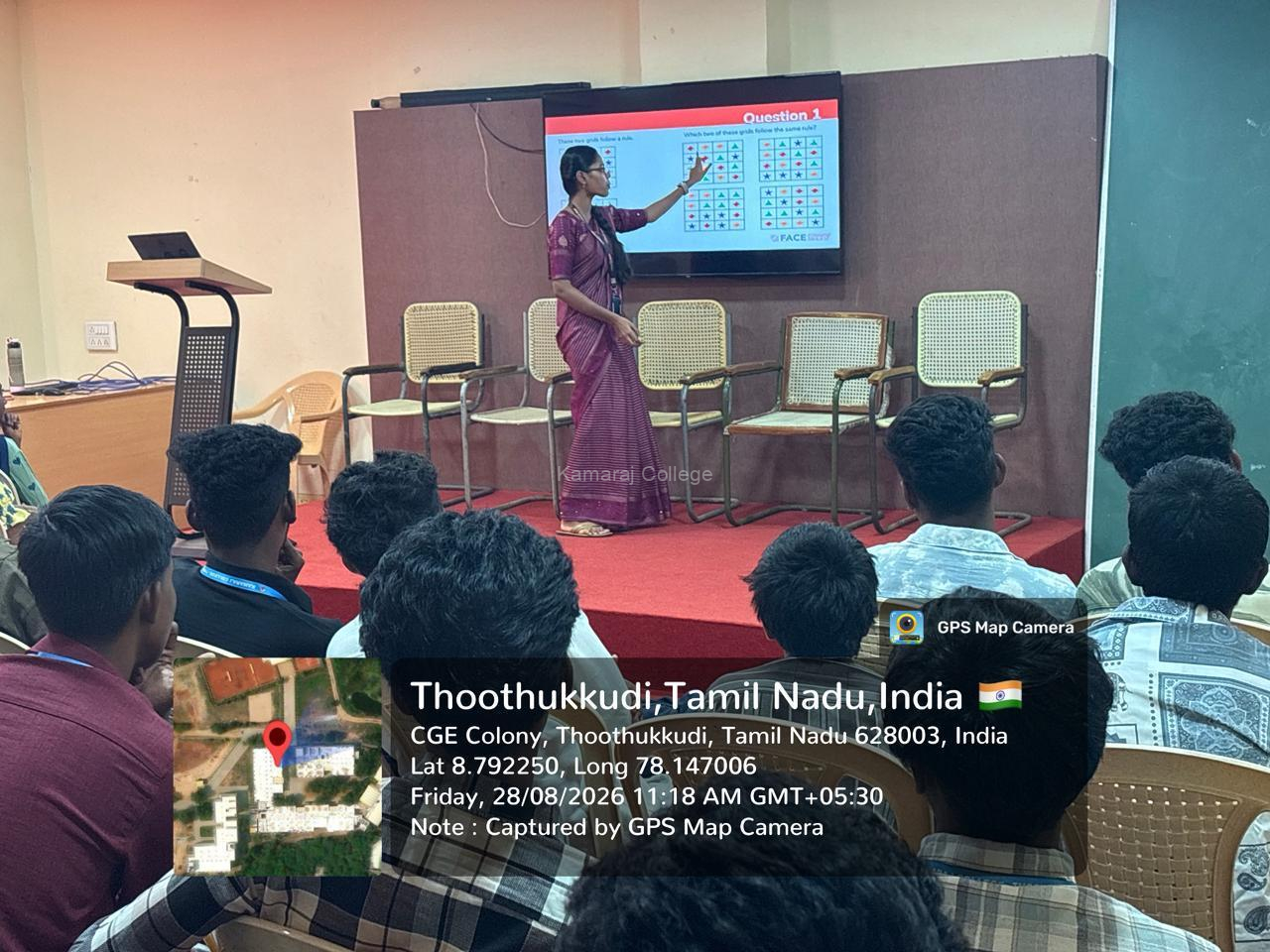
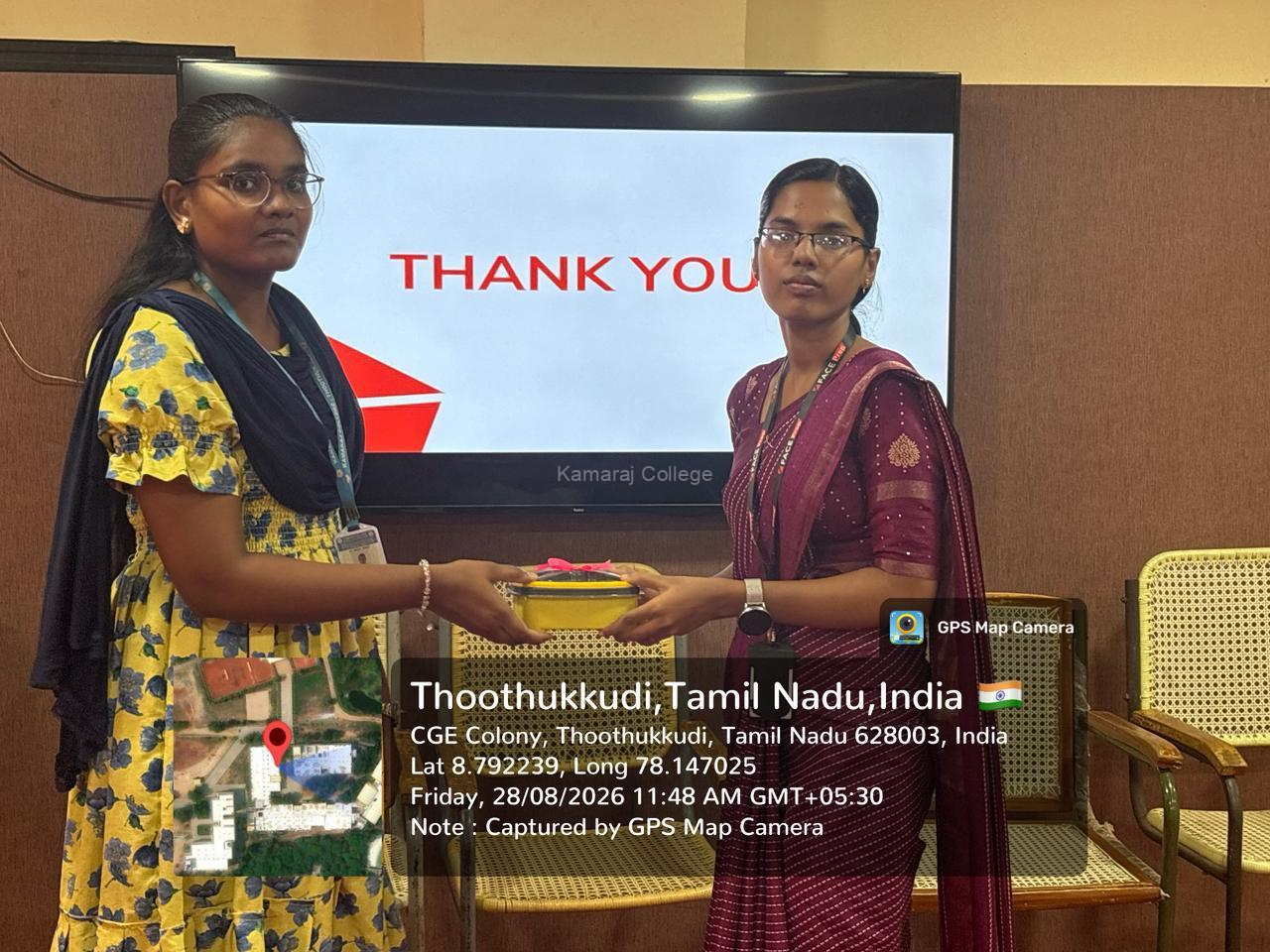
Ms. S. Santhiya, M.Sc., Aptitude Trainer (FACE Prep), Kamaraj College (Autonomous), Thoothukudi, served as the resource person. She provided useful guidance on aptitude, reasoning and essential skills required for academic and professional growth.
Objectives of the Programme
The programme aimed to help students understand the importance of Aptitude Skills in competitive examinations and career preparation.
The major objectives were:
- Develop aptitude and reasoning abilities
- Improve logical and analytical thinking
- Strengthen problem-solving skills
- Prepare students for competitive examinations
- Improve speed and accuracy
- Develop effective time-management skills
- Strengthen interpersonal and professional abilities
- Improve students’ overall career readiness
Thus, the programme combined competitive examination preparation with essential skills for future employment.
Guidance from the Resource Person
Ms. S. Santhiya delivered an informative session on developing aptitude and reasoning abilities.
She explained the importance of systematic preparation and encouraged students to practise regularly. Moreover, she highlighted how aptitude training can strengthen logical thinking, analytical ability and problem-solving skills.
The session helped students understand that aptitude preparation requires both conceptual understanding and continuous practice.
Developing Aptitude Skills
The resource person explained the importance of Aptitude Skills in competitive examinations and recruitment processes.
Students learned that aptitude tests often assess their ability to understand information, identify relationships and solve problems within a limited time.
Therefore, regular practice can help students improve both speed and accuracy.
The session also encouraged students to develop a structured approach to solving aptitude questions instead of depending only on memorised methods.
Strengthening Reasoning Ability
Reasoning skills formed another important part of the programme.
Students were guided to analyse information carefully, identify patterns and arrive at logical conclusions.
The session highlighted several important abilities:
- Logical thinking
- Analytical reasoning
- Pattern identification
- Problem-solving
- Decision-making
- Quick thinking
These abilities are valuable not only for competitive examinations but also for academic learning and professional life.
Preparing for Competitive Examinations
The programme provided useful guidance on preparing for competitive examinations.
Students were encouraged to begin their preparation early and practise aptitude and reasoning questions regularly.
Consistent preparation can help students become familiar with different question patterns. In addition, repeated practice can improve confidence and reduce the time required to solve problems.
Therefore, students were encouraged to include aptitude practice as part of their regular learning schedule.
Improving Problem-Solving Skills
Problem-solving was another important area covered during the session.
Students were encouraged to understand a question clearly before attempting to solve it. They were also guided to identify relevant information and approach each problem systematically.
Furthermore, students learned that complex problems can often become easier when divided into smaller steps.
This approach can improve both accuracy and confidence while solving aptitude and reasoning questions.
Importance of Speed and Accuracy
Competitive examinations often require candidates to answer several questions within a limited period.
Therefore, the session highlighted the importance of balancing speed with accuracy.
Answering quickly without understanding the question can lead to mistakes. On the other hand, spending too much time on a single question can affect overall performance.
Regular practice can help students find the right balance between these two requirements.
Developing Time-Management Skills
The Aptitude Skills session also emphasized effective time management.
Students were encouraged to understand the available examination time and plan their approach accordingly.
They learned the importance of identifying easier questions, managing difficult sections and avoiding unnecessary delays.
As a result, students gained awareness of how proper time management can contribute to better performance in competitive examinations.
Soft Skills for Professional Growth
The programme also focused on essential soft skills required for academic and professional development.
Students were encouraged to strengthen:
- Communication skills
- Interpersonal skills
- Self-confidence
- Time management
- Problem-solving ability
- Decision-making
- Adaptability
- Professional behaviour
These skills can help students perform effectively in interviews, recruitment processes and workplace environments.
Connecting Aptitude with Career Readiness
The session helped students understand that Aptitude Skills are closely connected with career readiness.
Many recruitment processes assess candidates through aptitude tests, reasoning assessments and interviews. Therefore, students need to prepare themselves beyond their regular academic subjects.
Furthermore, developing logical thinking and problem-solving abilities can help students perform more confidently in professional situations.
The programme encouraged participants to consider aptitude preparation as an important part of their career development.
Encouraging Continuous Practice
The resource person encouraged students to practise aptitude and reasoning exercises consistently.
Regular practice can help students identify their strengths and areas requiring improvement.
Moreover, continuous learning helps students become familiar with different types of questions and develop suitable strategies for solving them.
Thus, the programme encouraged students to adopt a disciplined and systematic approach towards competitive examination preparation.
Presence of Dr. C. Mathimitha
The programme was honoured by the presence of Dr. C. Mathimitha, Assistant Professor of Economics (SF), Kamaraj College (Autonomous), Thoothukudi.
Her presence encouraged the students and added value to the programme.
The initiative reflected the department’s commitment to providing students with opportunities that strengthen both academic learning and professional preparation.
Support of Student Committee Members
The programme was coordinated with the support of the student committee members.
Their involvement contributed to the smooth conduct of the programme.
Moreover, participating in the organization of such programmes helps students develop teamwork, coordination, communication and responsibility.
Key Areas Covered
The programme focused on:
- Aptitude Skills
- Logical reasoning
- Analytical thinking
- Problem-solving
- Speed and accuracy
- Time management
- Competitive examination preparation
- Interpersonal skills
- Professional development
Together, these areas provided students with valuable guidance for competitive examinations and future careers.
Programme Highlights
- Programme: Soft Skill Programme
- Title: How to Develop Essential Aptitude and Reasoning for Competitive Exams
- Date: 28 August 2026
- Time: 10.30 a.m.
- Venue: Mini Seminar Hall (SF)
- Organized by: Department of Economics (SF) and Public Administration
- Resource Person: Ms. S. Santhiya, M.Sc.
- Designation: Aptitude Trainer, FACE Prep
- Presence: Dr. C. Mathimitha, Assistant Professor of Economics (SF)
- Coordination: Student Committee Members
Programme Outcomes
The programme produced several positive learning outcomes.
Through the session, students:
- Understood the importance of aptitude in competitive examinations
- Improved awareness of logical and analytical reasoning
- Learned systematic approaches to problem-solving
- Recognised the importance of speed and accuracy
- Understood the value of effective time management
- Gained useful guidance for competitive examination preparation
- Recognised the importance of continuous practice
- Developed awareness of essential professional skills
- Improved their understanding of career readiness
Overall, the programme provided practical guidance that can support students in their academic, competitive examination and career preparation.
Conclusion
The Aptitude Skills programme titled “How to Develop Essential Aptitude and Reasoning for Competitive Exams” was successfully organized by the Department of Economics (SF) and Public Administration, Kamaraj College (Autonomous), Thoothukudi, on 28 August 2026.
Ms. S. Santhiya, M.Sc., Aptitude Trainer (FACE Prep), provided valuable guidance on developing aptitude, reasoning and essential soft skills.
The session helped students understand the importance of logical thinking, analytical ability, problem-solving, speed, accuracy and time management in competitive examinations.
Furthermore, the programme emphasized the need to develop interpersonal and professional skills alongside academic knowledge.
The presence of Dr. C. Mathimitha, Assistant Professor of Economics (SF), and the support of the student committee members contributed to the successful conduct of the programme.
Overall, the programme enhanced students’ competitive examination awareness, professional skills and career readiness and motivated them to prepare systematically for future opportunities.
Internal Link
External Links
- National Career Service – Explore career guidance, employment opportunities and resources for career preparation.
- Skill India Digital – Explore skill-development programmes and learning opportunities for career readiness.