
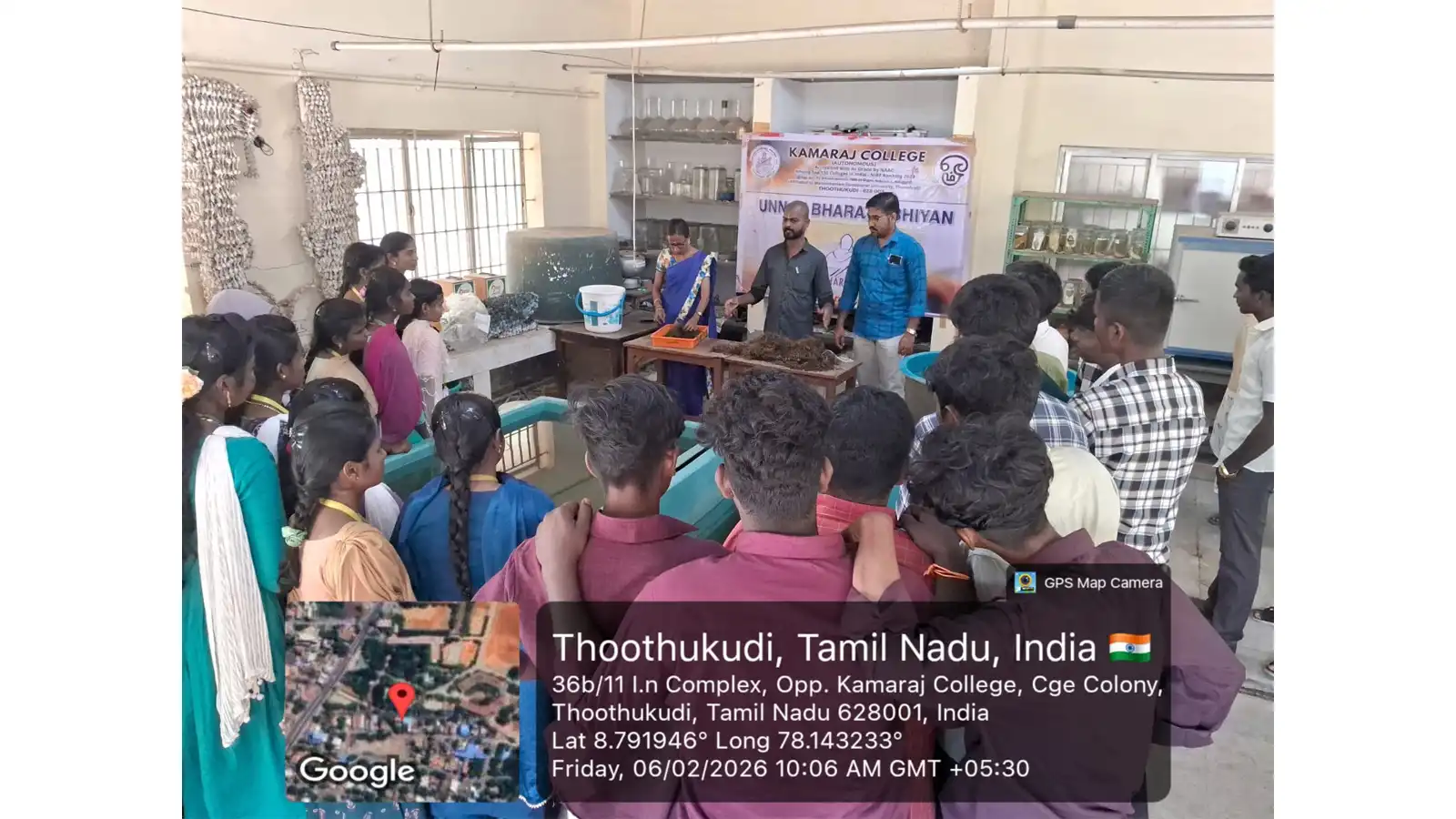
Seaweed Processing Training Powerful Initiative Empowers Rural Youth
Seaweed Processing Training – Programme Overview
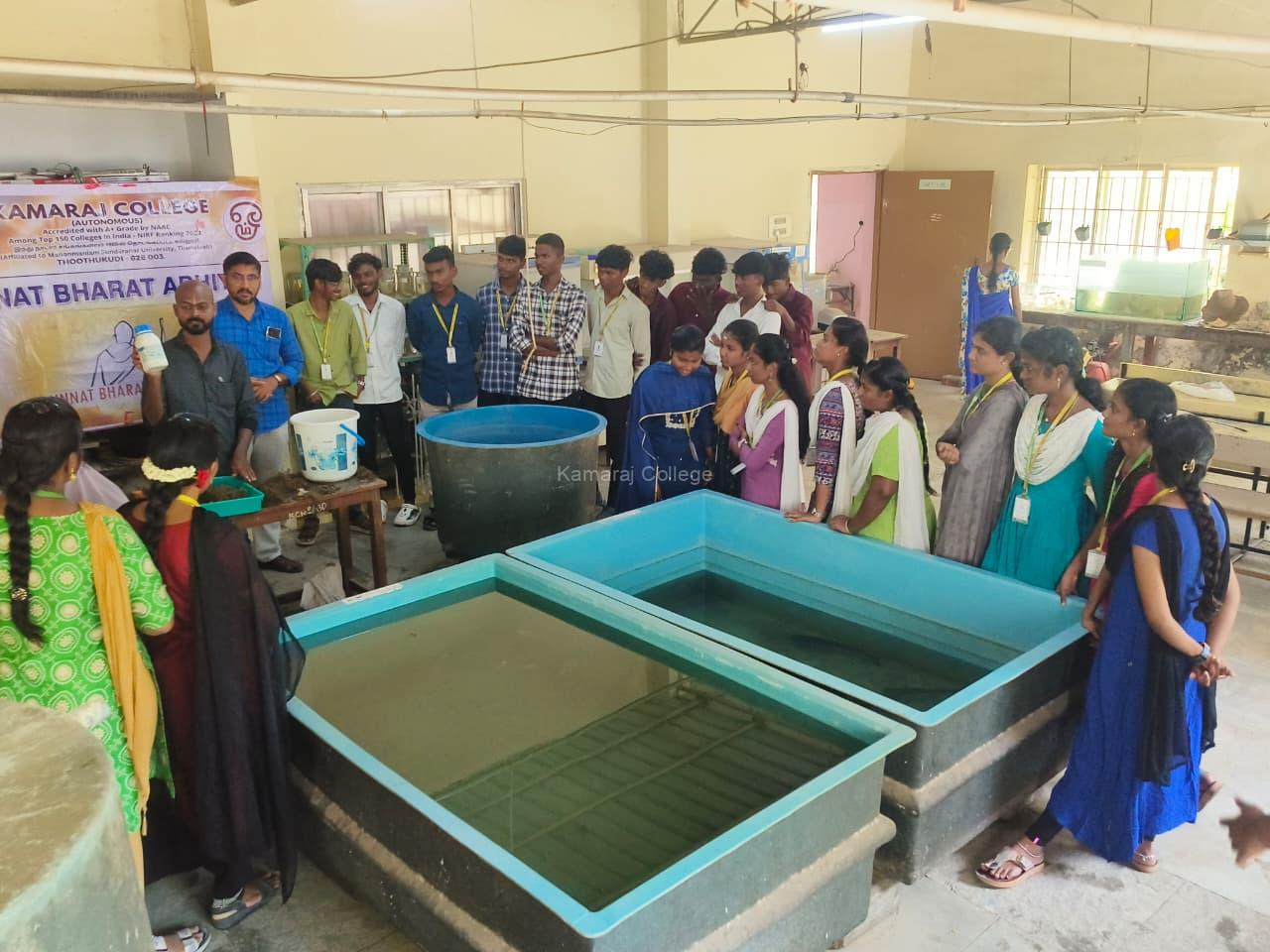
The Seaweed Processing Training programme was conducted on Friday, 06 February 2026, from 10.00 a.m. to 12.00 p.m., at the College Campus of Thoothukudi Kamaraj College. The programme was organized on behalf of the Unnat Bharat Abhiyan with the objective of promoting skill development, self-employment, and rural entrepreneurship.
The training focused on practical aspects of seaweed collection, identification, processing, and preparation of value-added products, providing participants with hands-on exposure to sustainable marine resource utilization.
Objectives of the Seaweed Processing Training Programme
The primary objective of the Seaweed Processing Training programme was to impart practical knowledge and skills related to seaweed-based livelihoods. The programme aimed to create awareness about the economic potential of seaweed resources and encourage sustainable self-employment opportunities among rural youth and entrepreneurs.
The key objectives of the programme included:
- To train participants in scientific seaweed collection methods
- To provide knowledge on seaweed identification and classification
- To demonstrate processing techniques for seaweed products
- To promote value-added product preparation for income generation
- To encourage entrepreneurship and self-employment
Hands-On Training and Practical Exposure
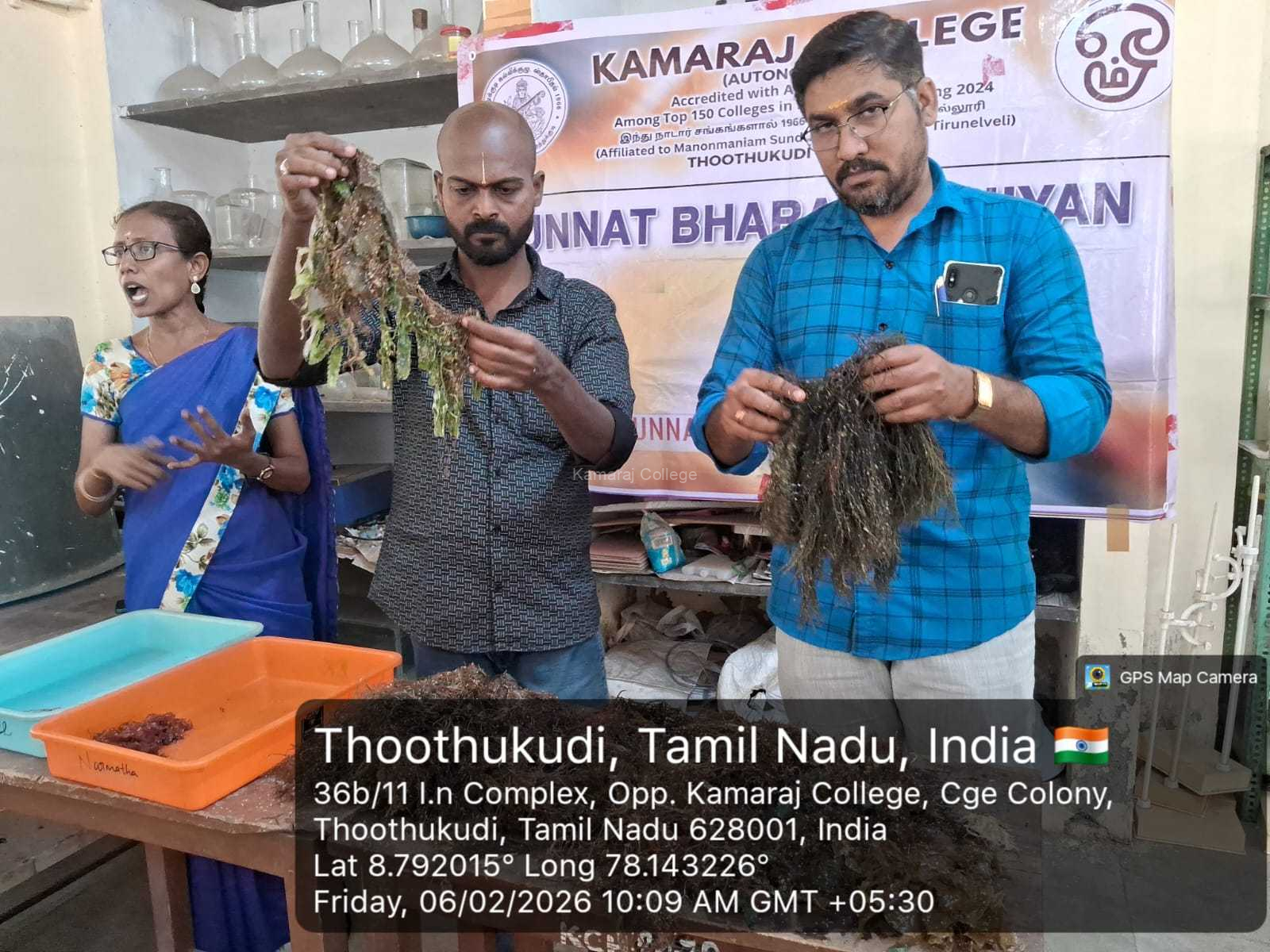
A major highlight of the Seaweed Processing Training programme was the emphasis on hands-on learning. Participants were trained through practical demonstrations that enabled them to understand the complete process from raw material collection to finished product preparation.
The training covered the following practical components:
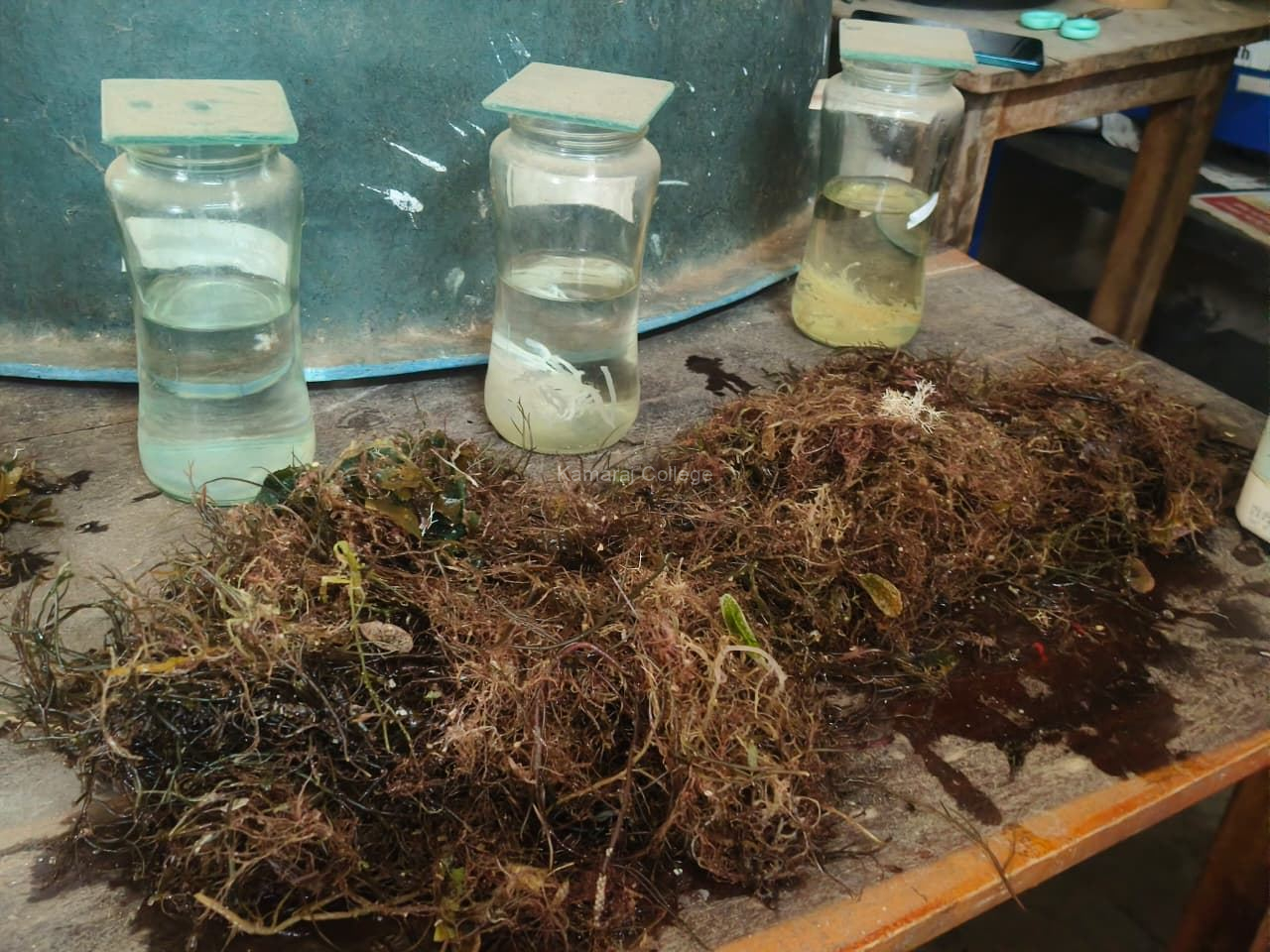
- Techniques for safe and sustainable seaweed collection
- Identification of commercially important seaweed species
- Cleaning, drying, and processing methods
- Preparation of value-added seaweed-based products
This experiential approach ensured that participants gained usable skills rather than only theoretical knowledge.
Resource Persons and Training Expertise
The practical training sessions were conducted by experienced faculty members from the Department of Zoology:
- Ms. M. Vijayalakshmi, Assistant Professor of Zoology
- Dr. H. Sivanesh, Assistant Professor of Zoology
The resource persons shared their academic expertise and field experience, guiding participants through each stage of the seaweed processing cycle. Their instruction emphasized scientific methods, hygiene standards, and sustainability practices.
Participation by Entrepreneurs and Rural Youth
The Seaweed Processing Training programme witnessed active participation from entrepreneurs and self-employment–oriented youth. The participants showed keen interest in learning how marine resources can be transformed into economically viable products.
The training helped participants understand how seaweed-based activities can contribute to livelihood generation, particularly in coastal and rural areas where marine resources are readily available.
Role of Student Volunteers and Knowledge Transfer
An important outcome of the Seaweed Processing Training programme was the preparation of a trained student team. These students will further impart the acquired knowledge and skills to women self-help groups in village panchayats under the Unnat Bharat Abhiyan framework.
This cascading model of training ensures that the benefits of the programme extend beyond the campus and reach the grassroots level, empowering rural women and promoting inclusive development.
Coordination and Programme Organization
The successful organization of the Seaweed Processing Training programme was made possible through effective coordination by:
- Dr. J. Nagarajan, Project Coordinator, Unnat Bharat Abhiyan
- Dr. Pounraj, Unnat Bharat Abhiyan Coordinator
Their efforts ensured smooth planning, logistics, and execution of the training camp, enabling productive engagement between faculty, students, and community participants.
Institutional Commitment to Rural Development
Through initiatives such as the Seaweed Processing Training, Thoothukudi Kamaraj College continues to play a vital role in supporting rural development and community engagement. The programme aligns with the objectives of Unnat Bharat Abhiyan, which focuses on linking higher education institutions with the development needs of rural India.
Internal Link:
Thoothukudi Kamaraj College (Autonomous)
National Perspective on Seaweed-Based Livelihoods
Seaweed cultivation and processing are increasingly recognized as sustainable livelihood options with high economic potential. Government initiatives encourage the use of marine resources for value-added product development and rural employment.
Additional information can be accessed through:
External Links:
Unnat Bharat Abhiyan – Government of India
Department of Fisheries – Government of India
Overall Impact of the Training Programme
The Seaweed Processing Training programme successfully enhanced participants’ technical skills and awareness of sustainable marine resource utilization. The initiative empowered students, entrepreneurs, and rural youth with practical knowledge that can lead to self-employment and community development.
Conclusion
The Seaweed Processing Training programme conducted on 06 February 2026 was a well-structured and impactful initiative under the Unnat Bharat Abhiyan. The hands-on training, expert guidance, and strong institutional coordination ensured meaningful learning outcomes.
The programme reaffirmed Thoothukudi Kamaraj College’s commitment to skill development, rural empowerment, and sustainable livelihood promotion through community-oriented educational initiatives.