
5 Inspiring Benefits of Seaweed Training Initiative
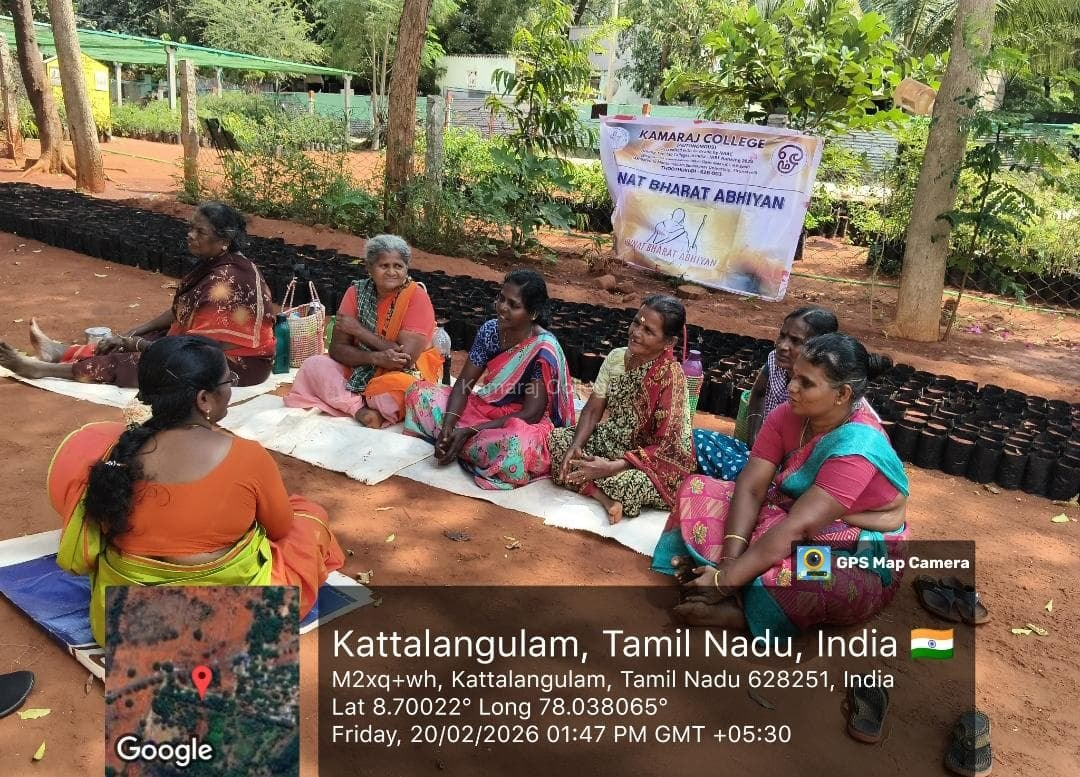
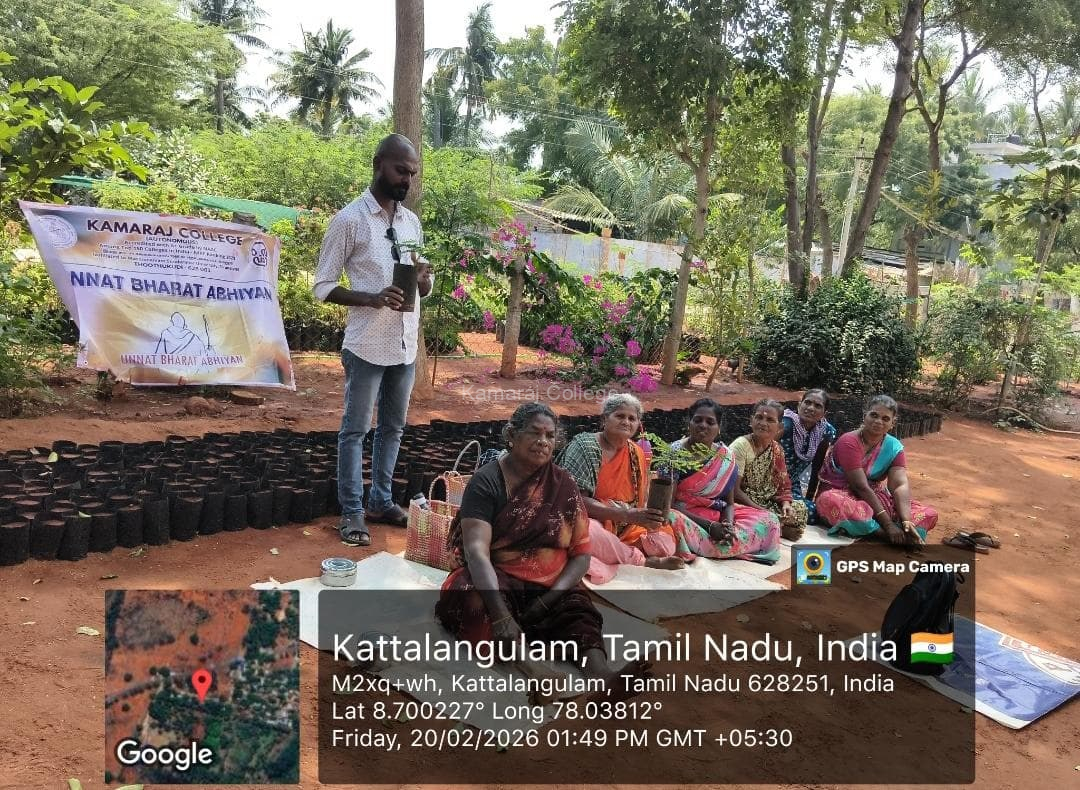
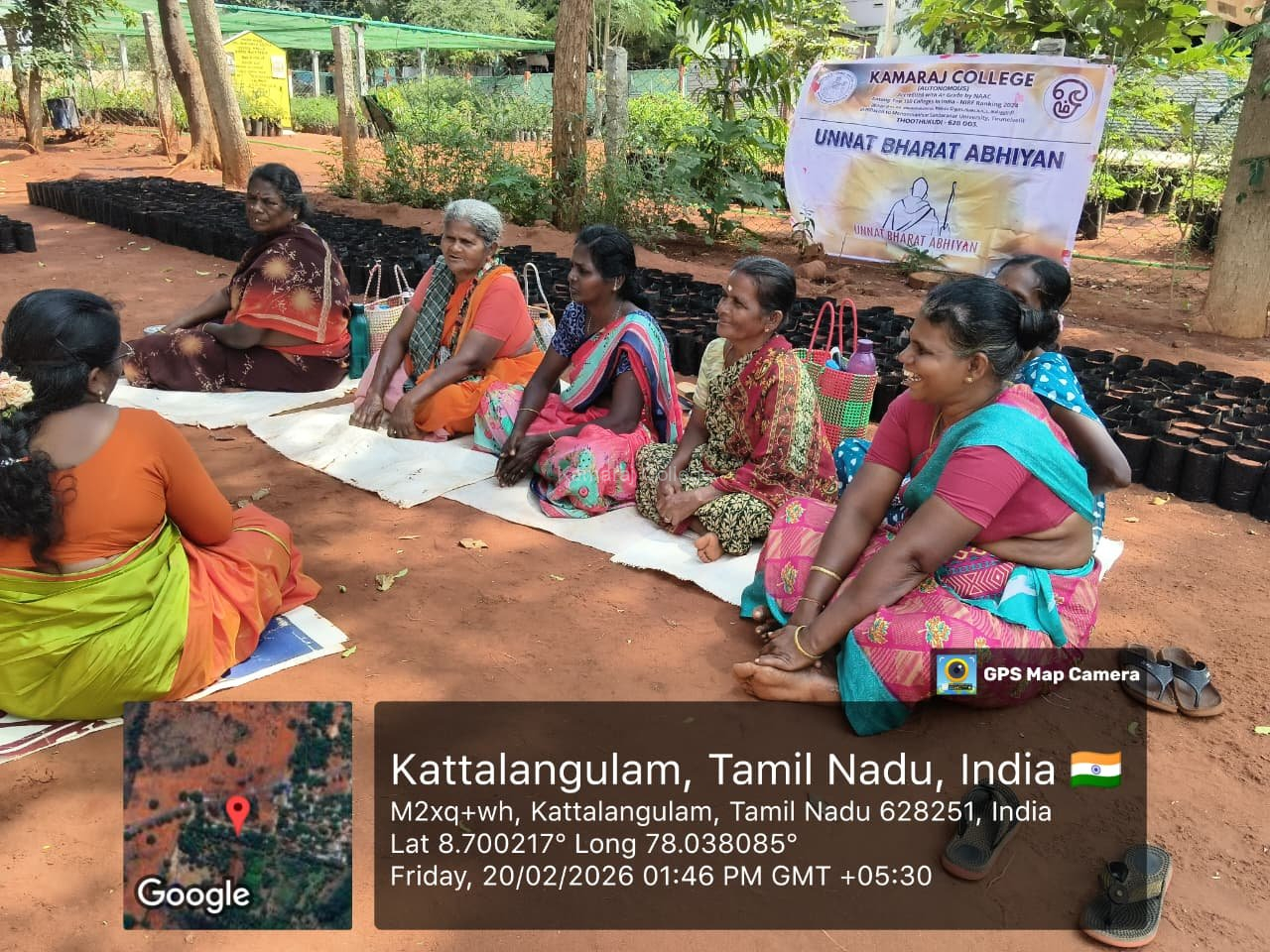
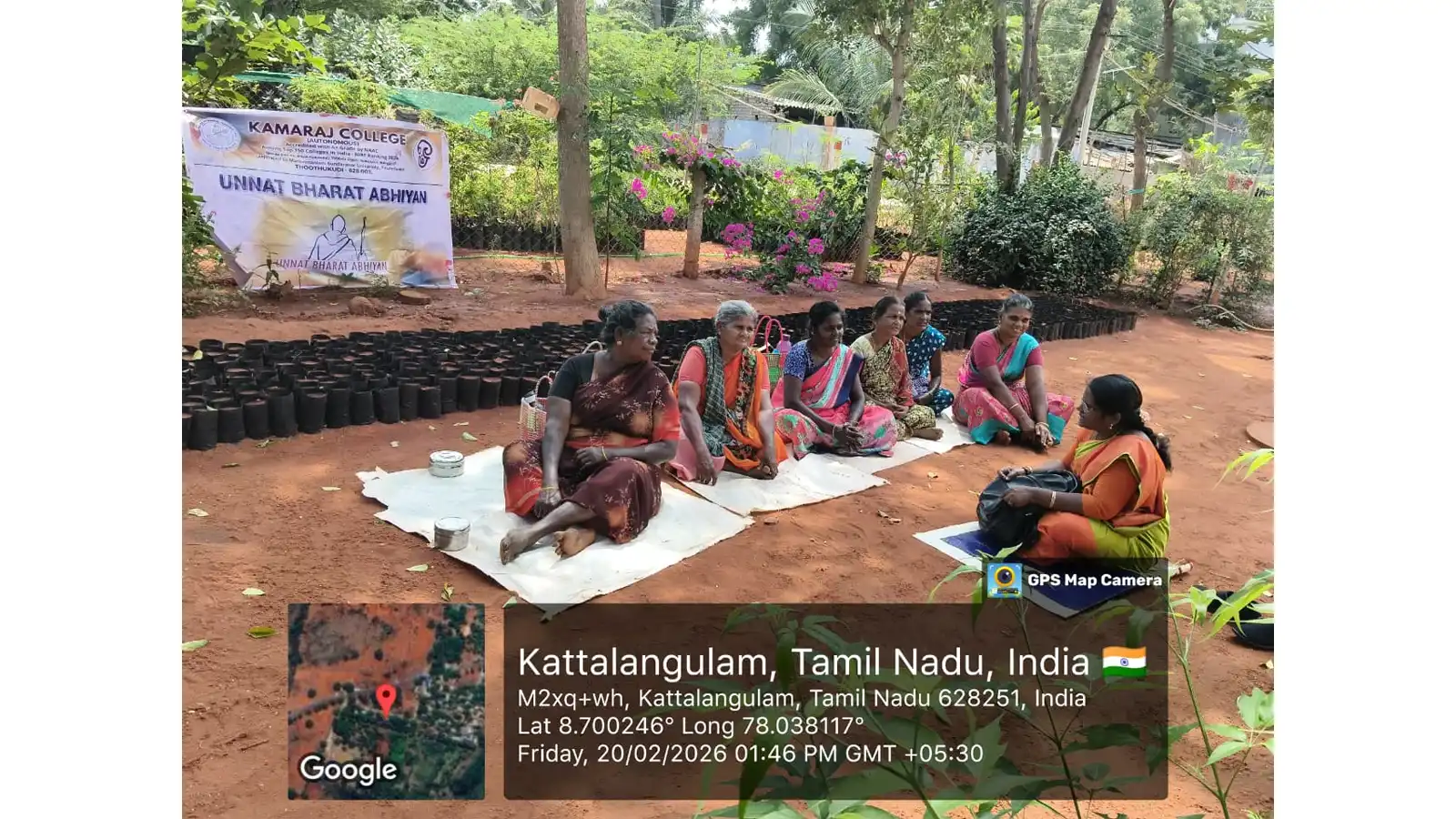
Seaweed Training – Completion and Evaluation Programme Overview
On 20 February 2026 from 12.00 p.m. to 04.00 p.m., the Seaweed Training completion programme and evaluation meeting was conducted under the Seaweed Project of Unnat Bharat Abhiyan at Kamaraj College (Autonomous), Thoothukudi.
The programme marked the successful conclusion of phase-wise practical training sessions on value-added seaweed products for village panchayat women, rural entrepreneurs, and youth participants. The initiative aimed to strengthen rural livelihoods through skill development and sustainable production practices.
Objectives of the Seaweed Training Programme
The Seaweed Training programme was organized with the following objectives:
- Evaluate the effectiveness of phase-wise practical training
- Provide guidance on sustainable production methods
- Enhance marketing knowledge for value-added products
- Promote organic farming and seaweed-based fertilizers
- Encourage rural entrepreneurship among women and youth
The completion meeting served as both an assessment and a motivational platform for continued engagement.
Leadership and Community Participation
The session on sustainable production and marketing was conducted under the leadership of Mr. Immanuel, Panchayat Secretary of Servaikaramadam Panchayat.
Women’s self-help groups participating under the Rural Development Employment Guarantee Scheme actively attended the programme. Their participation reflected strong community engagement and interest in skill-based economic development.
Special Guest Interaction and Academic Support
Dr. S. Saraswathi, Professor of Zoology, Kamaraj College, attended the programme as the special guest. She interacted with the trained women’s groups, offering constructive feedback and academic guidance.
During the interaction, she emphasized:
- Quality maintenance in value-added seaweed products
- Scientific methods in organic fertilizer preparation
- Hygiene and packaging standards
- Long-term sustainability of rural enterprises
Her guidance reinforced the academic foundation of the Seaweed Training initiative.
Sustainable Production and Marketing Insights
A significant component of the programme focused on marketing strategies for seaweed-based products. Participants were educated on:
- Branding and packaging techniques
- Local market penetration strategies
- Pricing and cost management
- Government subsidy schemes and support mechanisms
Rural women engaged in horticulture and agricultural activities received further clarification regarding the use of seaweed-based organic fertilizers for crop enhancement.
Environmental and Agricultural Impact
The Seaweed Training initiative emphasized environmental sustainability. Participants learned how seaweed-based organic fertilizers improve soil health and crop productivity without harmful chemical inputs.
To promote environmental awareness, saplings were distributed during the programme, encouraging participants to integrate ecological responsibility into livelihood activities.
For further reference on sustainable rural initiatives:
External Links:
Unnat Bharat Abhiyan
Ministry of Rural Development
Role of Academic Coordination
The arrangements for the Seaweed Training completion programme were made by:
- Dr. J. Nagarajan – Seaweed Project Coordinator
- Dr. P. Pounraj – Unnat Bharat Abhiyan Coordinator
Their coordinated efforts ensured structured evaluation, smooth conduct of sessions, and active participation from rural beneficiaries.
Internal Link:
Kamaraj College (Autonomous), Thoothukudi
Key Outcomes of the Seaweed Training
The completion programme highlighted measurable outcomes:
- Improved technical knowledge in seaweed product preparation
- Enhanced marketing awareness among rural women
- Adoption of sustainable agricultural inputs
- Increased entrepreneurial confidence
- Strengthened collaboration between academia and rural communities
The evaluation meeting confirmed that participants had gained both technical skills and practical confidence.
Community Empowerment and Future Scope
The Seaweed Training programme stands as a meaningful example of how academic institutions can directly contribute to rural economic empowerment. By combining scientific knowledge with grassroots participation, the initiative created a sustainable livelihood pathway for village women and youth.
The trained participants are expected to continue value-added production and promote organic farming practices within their communities. The involvement of self-help groups ensures continuity and scalability of the project.
Conclusion
The Seaweed Training completion and evaluation programme conducted on 20 February 2026 marked a significant milestone in rural skill development under the Unnat Bharat Abhiyan initiative. The interactive sessions, leadership involvement, and academic support collectively strengthened the effectiveness of the training phases.
By integrating scientific knowledge, sustainable practices, and marketing strategies, the programme empowered rural women and youth to pursue entrepreneurship confidently. The distribution of saplings further symbolized the commitment to environmental sustainability and long-term community development.
The initiative reflects the institution’s dedication to socially responsible education and rural transformation.