
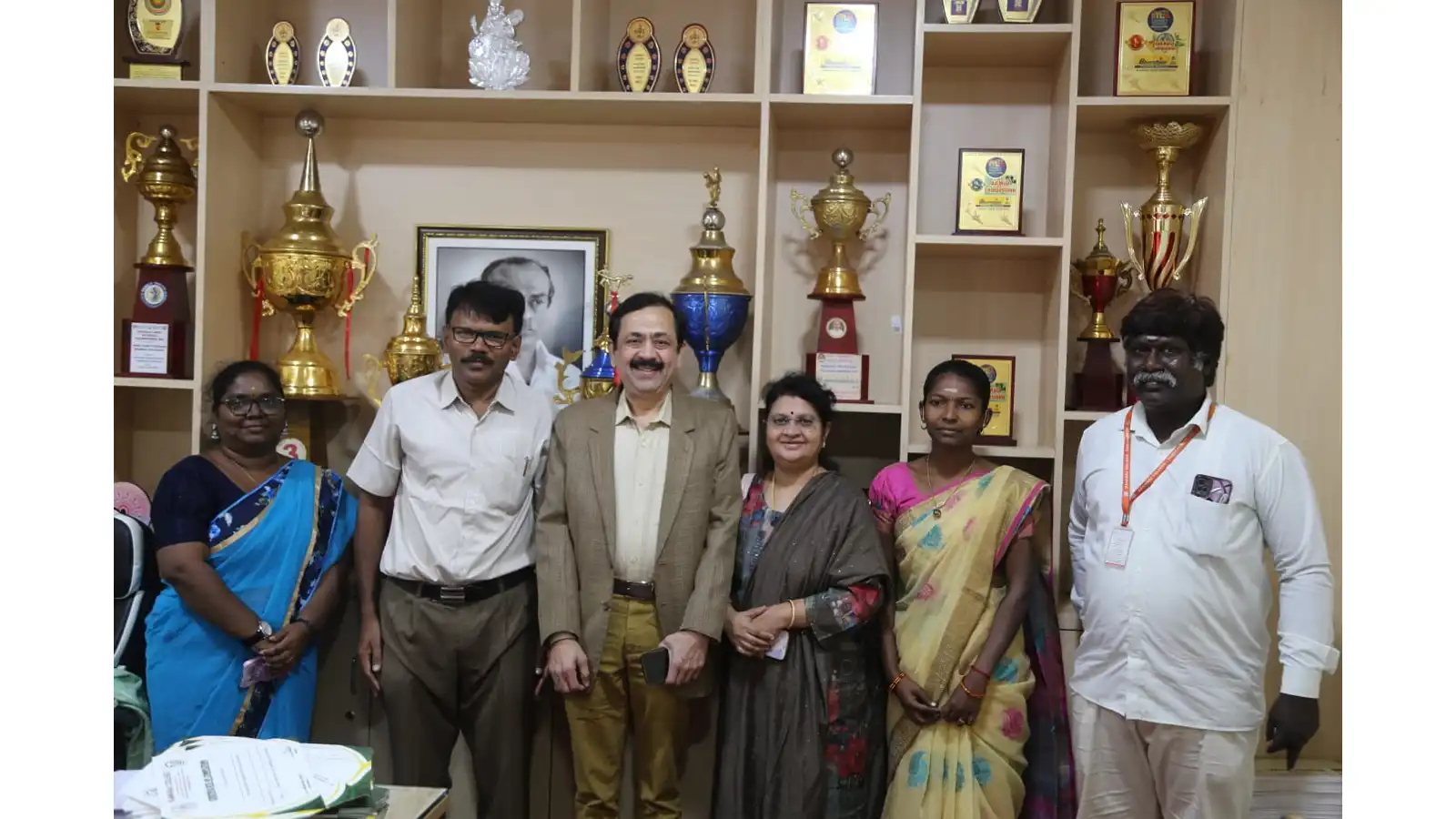
Media Democracy Lecture Powerful Insights Inspire 70+ VISCOM Students
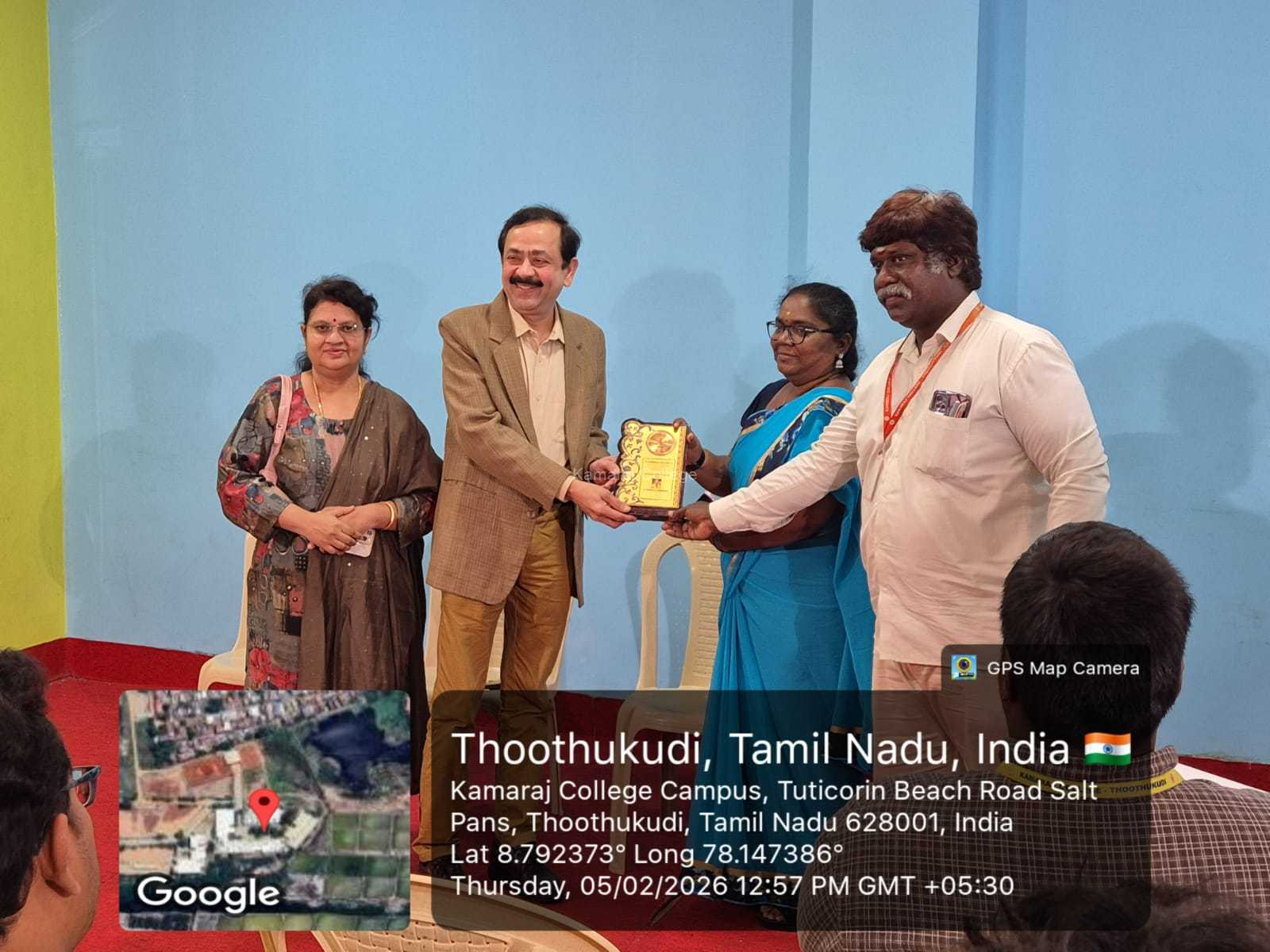
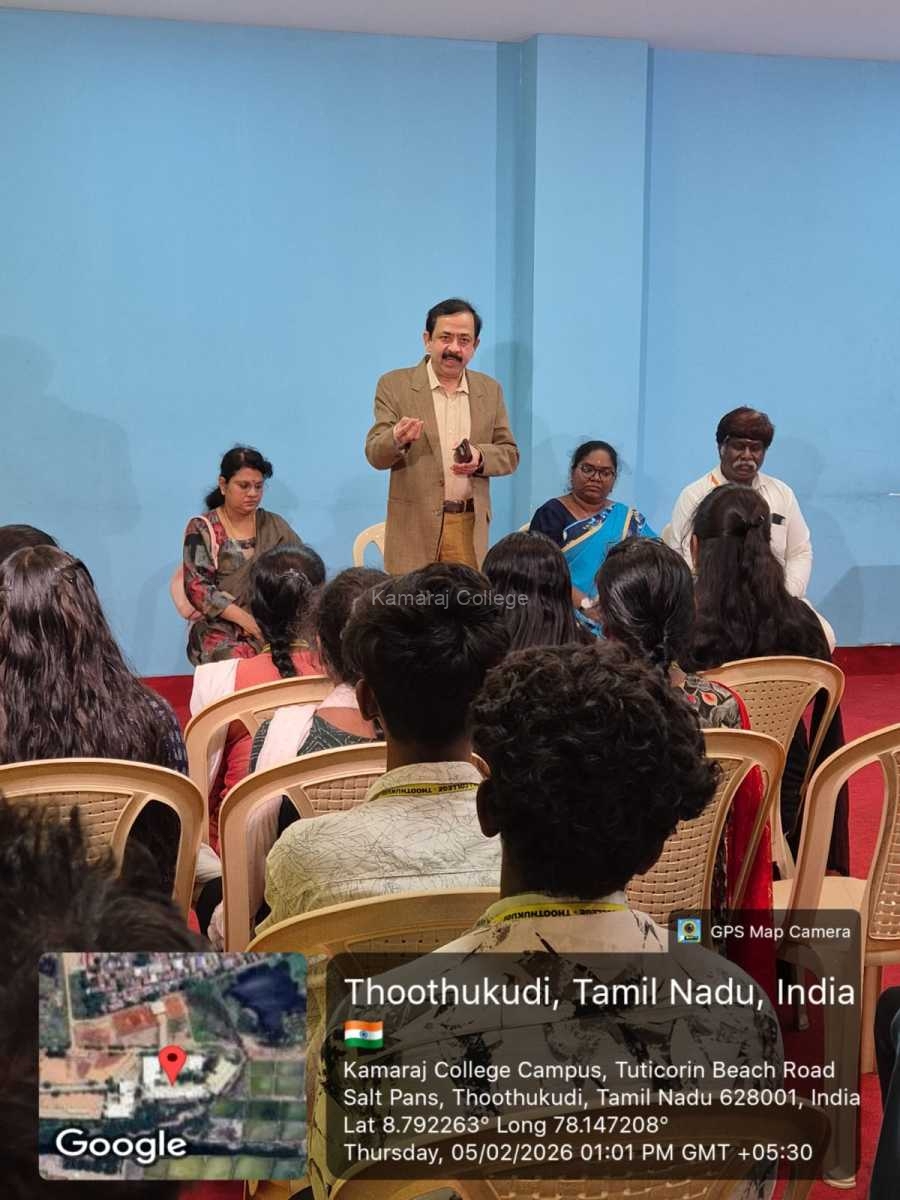
Media Democracy Lecture – Programme Overview
The Media Democracy Lecture titled “Media, Democracy, and the Political Sphere” was organized on 05 February 2026, from 11.00 a.m. to 01.00 p.m., at the VISCOM Studio in the Golden Jubilee Block of Kamaraj College (Autonomous), Thoothukudi. The programme was organized by the Department of Visual Communication as part of its academic enrichment initiatives.
The guest lecture aimed to provide students with a deeper understanding of the relationship between media, democracy, and political systems, while also exposing them to real-world practices and ethical challenges within the media industry.
Objectives of the Media Democracy Lecture
The primary objective of the Media Democracy Lecture was to enhance students’ understanding of the role played by media in shaping democratic societies. The lecture also sought to encourage critical thinking about media responsibility, ethics, and its influence on public opinion.
The specific objectives of the programme included:
- To explain the role of media in democratic governance
- To highlight ethical responsibilities of media professionals
- To analyze media influence on public opinion and political discourse
- To introduce career opportunities in the media industry
Introduction of the Resource Person
The guest lecture was delivered by Dr. Sridhar Narayan, a seasoned media professional and journalist with extensive experience across print, electronic, and digital media platforms. His academic insight combined with industry exposure provided students with a balanced perspective on media studies and professional practice.
The session benefited from his firsthand experience in journalism and media analysis, making the lecture both practical and academically relevant.
Key Themes Discussed During the Lecture
During the Media Democracy Lecture, Dr. Sridhar Narayan explored the evolving role of media within democratic frameworks. He explained how media functions as the fourth pillar of democracy and emphasized its responsibility in maintaining transparency and accountability in governance.
Major themes discussed included:
- Media as a watchdog in democratic societies
- Ethical challenges in political reporting
- Impact of media narratives on public opinion
- Balancing freedom of expression with social responsibility
These discussions helped students understand how media influences political awareness and civic participation.
Media Ethics and Responsibility
A significant portion of the Media Democracy Lecture focused on media ethics and professional responsibility. The speaker emphasized the importance of factual reporting, impartiality, and integrity in journalism, especially in politically sensitive contexts.
Students were made aware of the consequences of misinformation and biased reporting, and the role journalists play in shaping public trust. The lecture encouraged students to uphold ethical standards as future media professionals.
Real-World Media Experiences
Dr. Sridhar Narayan enriched the session by sharing real-world experiences from his career in the media industry. He discussed practical challenges faced by journalists, including editorial pressures, ethical dilemmas, and the fast-paced nature of news reporting.
These insights enabled students to connect theoretical concepts with real-life media practices, enhancing their understanding of the profession beyond textbooks.
Career Opportunities in Media
The Media Democracy Lecture also highlighted diverse career opportunities available in the media sector. The speaker discussed career pathways in:
- Print journalism
- Electronic media and broadcast journalism
- Digital media and online journalism
- Media research and content development
Students were encouraged to develop strong communication skills, ethical awareness, and adaptability to succeed in the evolving media landscape.
Student Interaction and Learning Experience
The session was highly interactive, with students actively engaging in discussions and raising questions related to media ethics, political influence, and career prospects. The interactive format allowed students to express their views and gain clarity on complex issues related to media and democracy.
The lecture helped students critically analyze the media’s role in society and inspired them to approach media studies with greater responsibility and awareness.
Institutional Support and Academic Enrichment
Kamaraj College (Autonomous), Thoothukudi continues to organize guest lectures and academic programmes that bridge theory with practice. The Media Democracy Lecture reflects the institution’s commitment to providing industry-oriented exposure and intellectual enrichment to students.
Internal Link:
Kamaraj College (Autonomous), Thoothukudi
External References on Media and Democracy
Students interested in further exploration of media ethics and democratic practices may refer to:
External Links:
Press Information Bureau – Government of India
Press Council of India
Overall Impact of the Lecture
The Media Democracy Lecture significantly enhanced students’ understanding of the complex relationship between media, democracy, and politics. The programme encouraged ethical awareness, critical thinking, and professional responsibility among Visual Communication students.
Conclusion
The guest lecture on “Media, Democracy, and the Political Sphere”, conducted on 05 February 2026, was a highly informative and impactful academic initiative by the Department of Visual Communication. The expert insights of Dr. Sridhar Narayan, combined with active student participation, ensured a meaningful learning experience.
The programme reaffirmed Kamaraj College’s commitment to nurturing responsible media professionals who understand the vital role of media in strengthening democratic societies.