
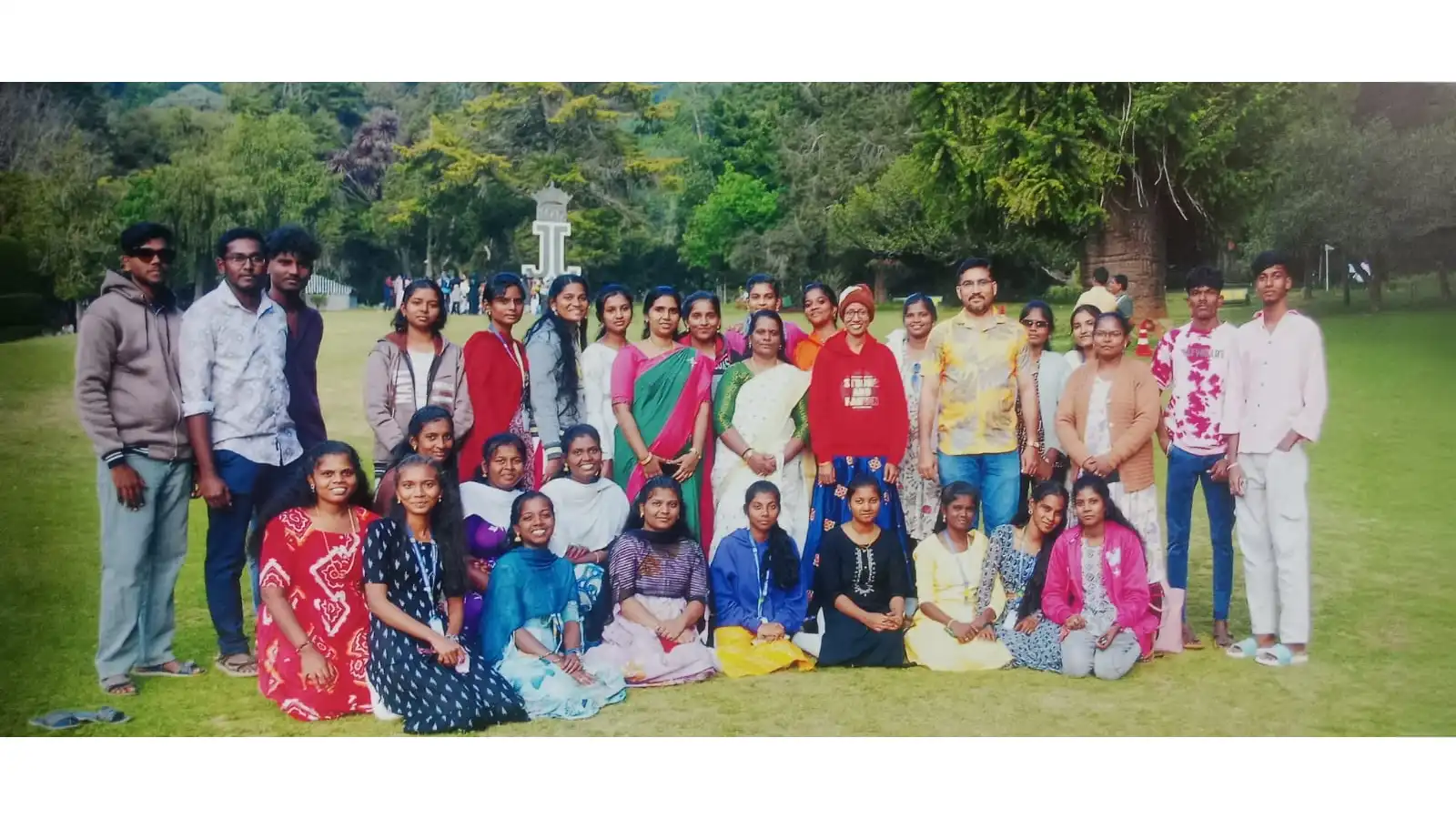
Zoology Field Visit Delivers 7 Powerful Learning Experiences in Ooty


Zoology Field Visit – Programme Overview
The Zoology Field Visit was successfully organized by the PG and Research Department of Zoology and Farm Science, Kamaraj College (Autonomous), Thoothukudi, from 3 February to 4 February 2026, between 8.30 a.m. and 5.00 p.m.. The educational tour was conducted to Ooty, located in the scenic Nilgiri Hills of Tamil Nadu.
The visit was designed for PG Zoology students, II Year Zoology students, and Farm Science students to gain firsthand exposure to hill station ecosystems. It aimed to strengthen students’ understanding of biodiversity, ecology, conservation biology, and animal adaptation in a montane environment.
Objectives of the Zoology Field Visit
The primary objective of the Zoology Field Visit was to bridge the gap between theoretical knowledge and real-world ecological systems. The visit was planned to help students:
- Understand biodiversity in a hill ecosystem
- Observe flora and fauna in their natural habitats
- Study animal adaptations in montane environments
- Learn ecosystem interactions and ecological balance
- Develop scientific observation and reporting skills
- Promote conservation awareness and ethics
Such field-based learning plays a vital role in shaping scientific thinking and environmental responsibility among students.
Educational Significance of Ooty as a Study Location
Ooty, also known as the “Queen of Hill Stations,” is a biologically rich region characterized by cool climate, unique vegetation, and diverse wildlife. The Nilgiri Biosphere Reserve forms part of a globally recognized ecological zone, making it an ideal location for a Zoology Field Visit.
The region provides excellent opportunities to study:
- Montane forest ecosystems
- Endemic plant and animal species
- Human impact on fragile ecosystems
- Conservation strategies in protected areas
Locations Covered During the Zoology Field Visit
During the two-day Zoology Field Visit, students explored several ecologically and educationally important locations:
- Government Botanical Garden – Study of diverse plant species and landscaping techniques
- Rose Garden – Observation of ornamental plant breeding and cultivation
- Tea Factory – Understanding plantation ecosystems and agro-based industries
- Chocolate Factory – Exposure to food processing and value addition
- Ooty Lake – Study of freshwater ecosystems and aquatic biodiversity
- Pine Forest – Observation of coniferous vegetation and soil characteristics
- Mudumalai Tiger Reserve – Learning about wildlife habitats, conservation, and biodiversity protection
Each location offered unique learning experiences related to ecology, zoology, and environmental science.
Learning Outcomes for Students
The Zoology Field Visit significantly enhanced students’ academic and practical understanding. Through direct observation and guided discussions, students were able to:
- Improve practical knowledge of ecological systems
- Understand ecosystem dynamics and food chains
- Observe animal behavior and habitat adaptation
- Develop interest in wildlife conservation
- Gain experience in scientific documentation and reporting
The exposure helped students connect classroom concepts with real-life ecological scenarios.
Conservation Awareness and Scientific Temperament
A major focus of the Zoology Field Visit was conservation awareness. Students were sensitized to the importance of protecting fragile ecosystems and wildlife habitats, especially in biodiversity-rich regions like the Nilgiris.
Discussions emphasized:
- The role of protected areas in conservation
- Threats to biodiversity due to human activities
- Responsibilities of future scientists and researchers
- Sustainable coexistence with nature
Such exposure fosters scientific temperament, ethical thinking, and environmental responsibility among science students.
Institutional Support and Academic Vision
The Zoology Field Visit was organized with the full support of the college management and faculty members of the Department of Zoology and Farm Science. Faculty mentors guided students throughout the visit, ensuring discipline, safety, and academic relevance.
Internal Link:
Kamaraj College (Autonomous), Thoothukudi
Relevance to National Biodiversity and Conservation Goals
Field visits like this align with national and global conservation initiatives. Students were encouraged to explore authoritative resources for deeper understanding:
External Links:
Ministry of Environment, Forest and Climate Change – Government of India
Food and Agriculture Organization of the United Nations
These platforms highlight the importance of biodiversity conservation and sustainable ecosystem management.
Overall Impact of the Zoology Field Visit
The Zoology Field Visit to Ooty was highly educational and enriching. It provided students with invaluable exposure to real-world ecological systems, reinforced classroom learning, and enhanced their appreciation for nature and conservation.
Such experiential learning opportunities are essential for science students to develop practical skills, scientific curiosity, and environmental ethics.
Conclusion
The two-day Zoology Field Visit organized by the PG and Research Department of Zoology and Farm Science stands as a meaningful academic initiative. By exploring diverse ecosystems, observing wildlife habitats, and understanding conservation practices, students gained knowledge that extends beyond textbooks.
The visit reaffirmed the importance of field-based learning in nurturing competent, responsible, and environmentally conscious science graduates, contributing significantly to their academic and professional growth.